Sea Animals: 26 Incredible Creatures from A to Z
ecology
iStock-burnsboxco
Table of Contents:
The ocean hides an astonishing variety of wildlife, from tiny reef fish darting between coral branches to enormous animals traveling thousands of miles. Some are familiar favorites; others look almost too strange to be real.
A dive, a snorkeling trip, a walk along the shore, or even a wildlife documentary can reveal something new. This sea animals list introduces 26 fascinating creatures from A to Z, showing what makes each special and where you might find them.
Use it to inspire your next ocean adventure and see how many letters you can check off your own underwater wildlife list!
With their flattened bodies and broad fins, angel sharks resemble rays. Half-buried in sand, they wait to ambush prey, almost invisible against the seabed. Divers can explore angel shark dive sites on Scubago, especially around the Canary Islands. Mediterranean sightings are far rarer.
Sleek, fast, and sharp-toothed, barracudas slice through open water like silver arrows. Great barracudas inhabit tropical seas, including the Caribbean and the Red Sea. Near reefs, watch for lone hunters or shimmering schools.
Shutterstock-Oleg-Kovtun-Hydrobio
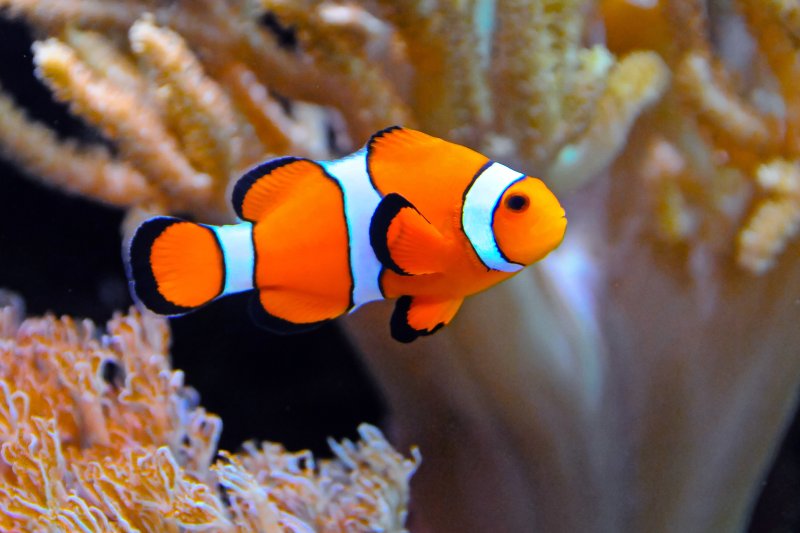
Clownfish weave through the stinging tentacles of sea anemones, protected by a special mucus coating. The familiar orange-and-white stripes catch your eye as they dart around their host anemone on tropical Indo-Pacific reefs. These sea animals are a favorite sight for new divers.
These gentle marine mammals glide over seagrass beds, grazing in warm coastal waters from East Africa to Australia. Look for dugongs in the Red Sea, around Abu Dhabi, and off northern Australia, often from boats. Their slow, graceful movements make these sea animals a peaceful sight.
Eagle rays appear to fly underwater, their broad fins rising and falling as they cruise over sandy seabeds. Divers may see these spotted rays crossing reef channels in the Caribbean and the Indo-Pacific.
istock-atese
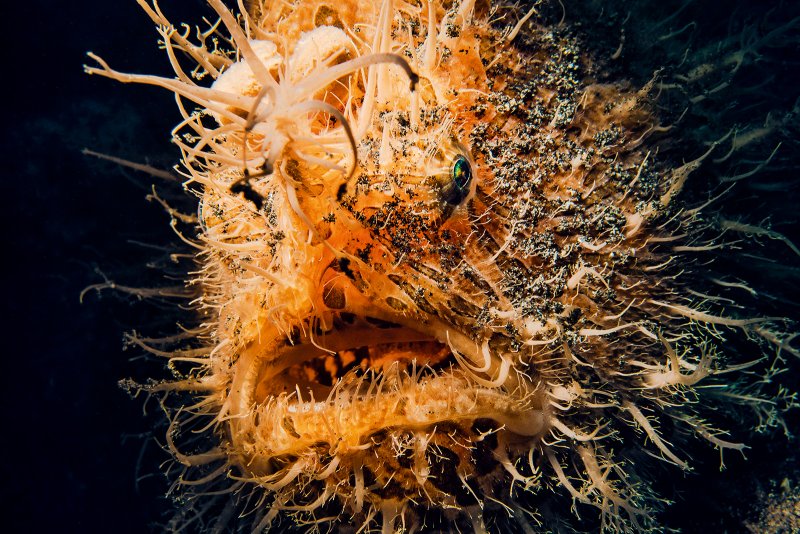
Frogfish blend into sponges and coral, then lure prey with a modified fin. They live on tropical reefs worldwide. Look closely, because these sea animals can resemble the reef so perfectly that you might swim right past one.
Love spotting hidden marine life? Discover Bali dive sites for macro photography and find out where to look for these masters of camouflage.
Great whites cruise through the water, detecting electrical signals and faint traces of blood. They occur off South Africa, Australia, California, and Mexico, with responsible boat-based wildlife tours offering sightings in some regions.
A hammerhead's wide, hammer-shaped head expands its field of vision and helps it detect prey. Scalloped hammerheads gather in schools around Cocos Island and the Galápagos, a thrilling sight for experienced divers.
Tiny and almost transparent, Irukandji jellyfish can be hard to spot in the water. Their sting can cause a condition called Irukandji syndrome, triggering severe pain, nausea, and sweating. They occur in northern Australian waters, so always follow local beach warnings.
shutterstock_astridlike
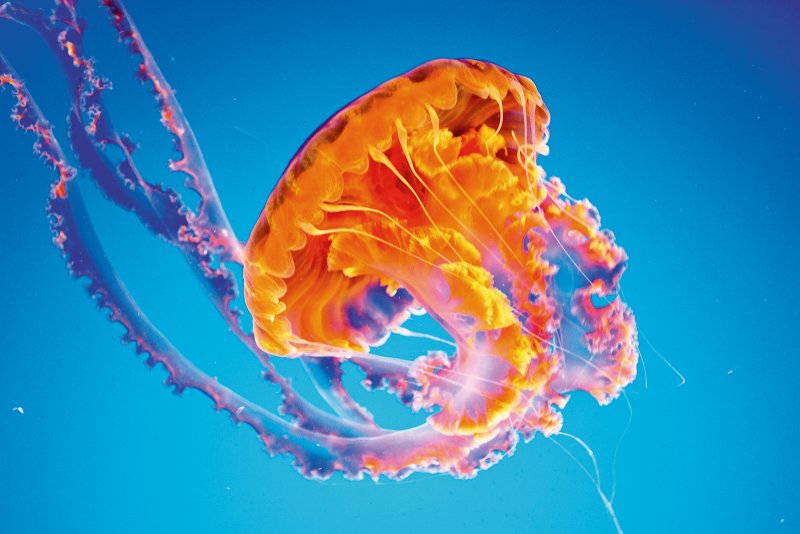
Jellyfish drift through every ocean, their bell-shaped bodies pulsing gently. Some glow, and others gather in huge blooms. Divers may spot these sea animals drifting past on night dives; beachgoers may find them washed ashore.
Orcas are intelligent dolphins that travel in close family pods, using different hunting strategies. They inhabit every ocean, and boat tours in Norway, Iceland, and British Columbia offer chances to spot them. Explore orca family life on Scubago.
Lionfish hover with fan-like fins spread wide and venomous spines on display. Native to the Indo-Pacific, they are invasive in parts of the Caribbean. Admire these striking sea animals around reefs and wrecks from a distance to avoid a painful sting.
istock-divepic
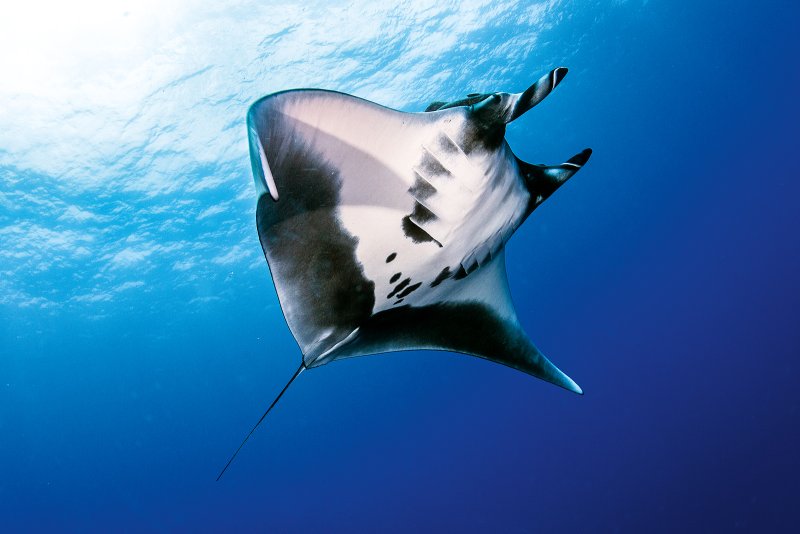
Mantas soar through the ocean on enormous, wing-like fins, filtering plankton as they go. Look for them at cleaning stations and feeding sites in the Maldives, Mozambique, Hawaii, and Indonesia. Snorkelers may enjoy these graceful encounters too. The SSI Manta & Ray Ecology Specialty helps you identify different ray species and understand their role in marine ecosystems.
An ancient relative of octopuses, the nautilus carries a spiral shell with chambers that help control its buoyancy. It glides along deep Indo-Pacific reef slopes, rarely seen by recreational divers.
alamy-reinhard-dirscherl
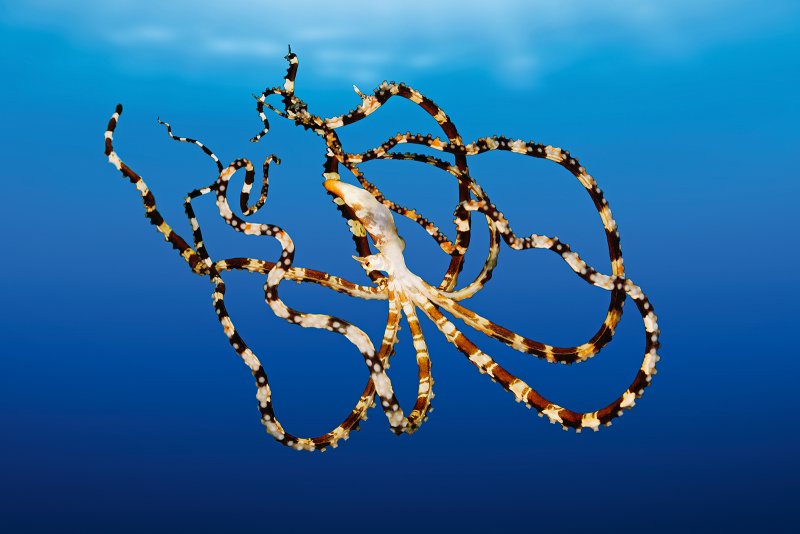
Octopuses change color and texture, squeeze through tiny gaps, and solve problems with remarkable skill. Found worldwide, these sea animals vanish beneath ledges and into reef crevices. Watch them closely, but leave their dens undisturbed.
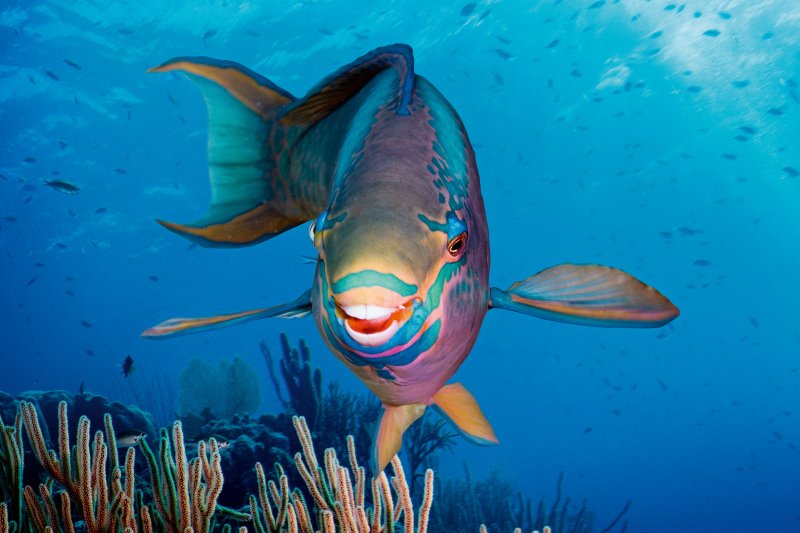
Parrotfish graze across reefs, scraping away algae with their beak-like mouths, bite by bite. Some even produce fine sand as they feed. Look for these colorful sea animals on tropical reefs, helping keep algae growth in check.
Blue and yellow with a crown-like marking, the queen angelfish picks at sponges, its main food source. Divers may spot it around reefs in the Bahamas, Florida, and across the Caribbean.
Blacktip, whitetip, and gray reef sharks glide past coral on tropical reefs, helping keep marine ecosystems in balance. In the Red Sea, the Maldives, and the Great Barrier Reef, watch these sea animals from a respectful distance.
Sea snakes wind through warm seas, their flattened tails sweeping from side to side. Many are venomous, so never approach or handle them. Divers may spot them hunting along Indo-Pacific reefs.
iStock-ShaneMyersPhoto
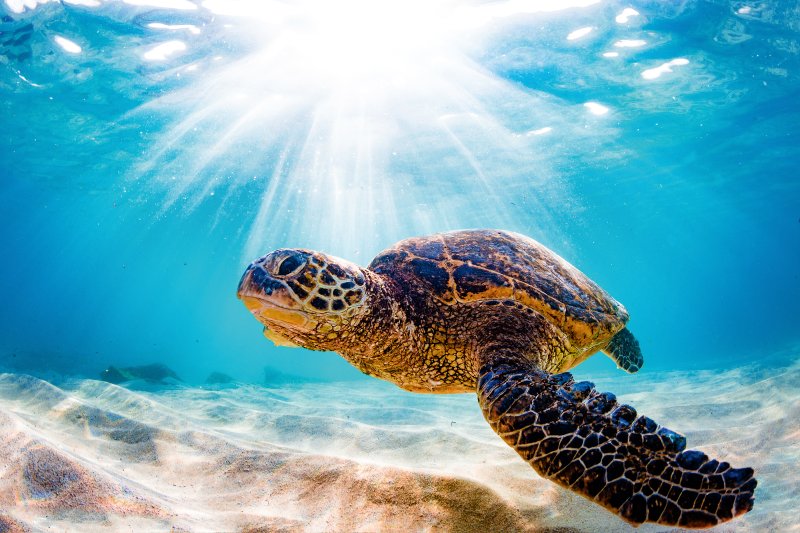
Green, hawksbill, and loggerhead turtles travel vast distances, with females returning to beaches to nest. Divers may watch them sweep their powerful front flippers through the water in the Caribbean, the Red Sea, Hawaii, and the Great Barrier Reef.
Sea urchins are spiny relatives of starfish that slowly graze on algae. They shelter in reef crevices and between coastal rocks worldwide, their needle-like spines pointing outward. Avoid touching them to prevent painful injuries.
Despite its eerie name, the vampire squid feeds mainly on organic scraps drifting through dark water. It lives in oxygen-poor depths far beyond recreational diving limits, so submersible footage is the best way to see one.
Curious about unusual creatures you can actually encounter on a dive? Discover 10 strange sea creatures divers can spot.
istock-extreme-photografer
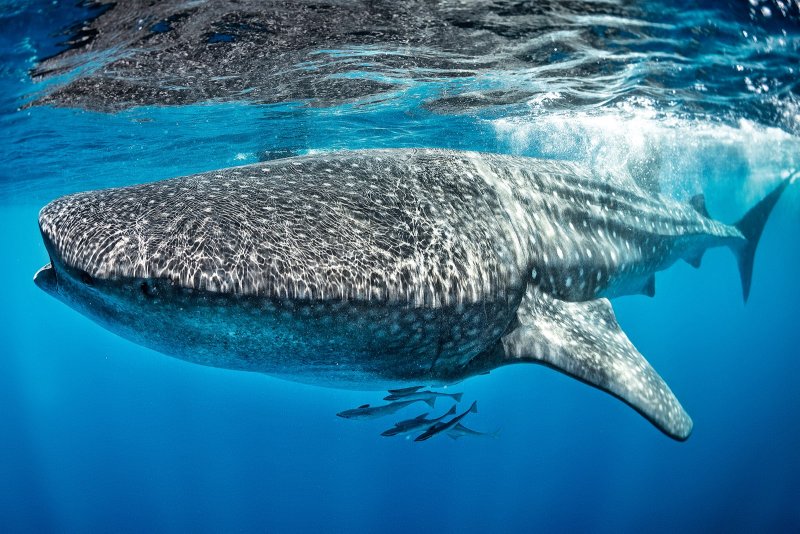
The whale shark, the world's largest fish, can reach 12 meters (39 feet) or more, swimming with its enormous mouth open to filter plankton and small fish. Seasonal encounters occur at Ningaloo Reef and in the Maldives, Mexico, and the Philippines. Planning a whale shark trip? Explore Maldives dive sites and wildlife on Scubago.
Not true crabs, horseshoe crabs are ancient arthropods with domed shells and pointed tails. Look for them crawling across shallow seabeds along North America's Atlantic coast and in parts of Southeast Asia.
Bright yellow against the reef, yellow tangs pick at algae, helping prevent seaweed from smothering coral. Native to the tropical Pacific, they are a familiar sight on shallow Hawaiian reefs.
Young zebra sharks have striking stripes that give way to spots as they mature. By day, they rest motionless on sandy seabeds, becoming active after dark. Look for them around Indo-Pacific reefs, including the Maldives.
Your A–Z adventure does not have to happen in one trip. Start a logbook, add a quick sketch or photograph, and note where and when you spotted each creature. If you cannot find one underwater, keep looking from shore, on a snorkeling trip, or in a wildlife documentary. Recognizing ocean animals makes each sighting more rewarding and reminds you why their habitats deserve protection.
Want to take your curiosity further? SSI's marine ecology courses, including the SSI Marine Ecology Specialty, introduce ocean habitats and the creatures that depend on them. Open to divers and non-divers, these courses can be completed entirely online. Start learning wherever you are, keep adding to your list, and see how many letters you can discover.