Simple Ways to Help Save the Oceans (That Actually Work)
travelecology
francesco-ungaro-unsplash
Many people care deeply about the oceans but feel overwhelmed by the scale of the problem. The good news? You do not need to be a marine biologist or professional diver to make a meaningful impact. These small, practical actions—whether you live by the sea or miles from the shore—can help protect marine life and save the oceans for future generations.
The most powerful actions start at home, cost little, and fit into your existing lifestyle. This list is your reminder that doing something—even something small—is always better than doing nothing.
Plastic pollution is one of the ocean's biggest threats. Items like bottles, straws, and bags often end up in the sea, where they harm marine life. Switch to these reusable alternatives:
- Stainless-steel bottles
- Cloth bags
- Bamboo utensils
They are easy to find online and are a quick way to reduce waste and set an example for others. Every refill, reuse, or plastic-free purchase you make helps keep debris out of the water and moves us closer to a world where cleaner beaches are the norm.
predrag-vuckovic
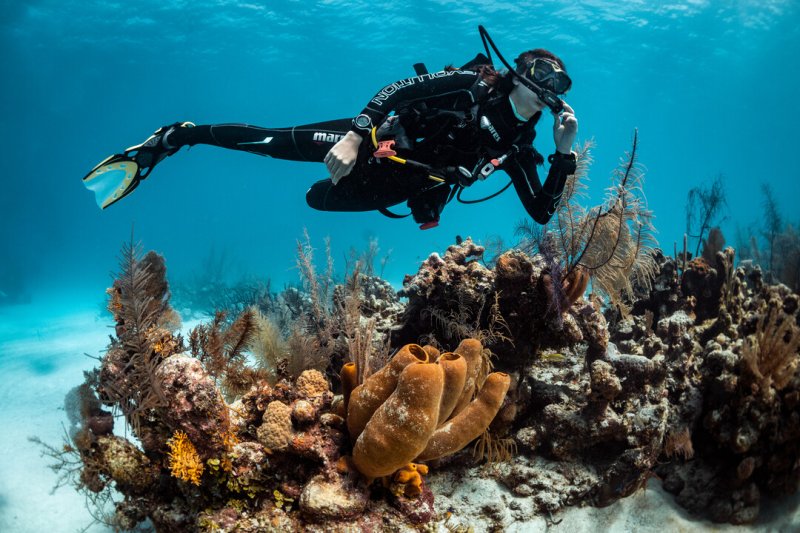
Every dive is a chance to protect what you love—small actions underwater can make a big difference for coral reefs.
Marine Protected Areas (MPAs) are essential for ocean recovery. Never heard of them? These essential zones are protected from human activities and allow coral reefs and fish populations to regenerate.
This gives ecosystems space to heal—boosting fish populations, coral growth, and ocean resilience. You can help by donating to conservation groups that fund MPA research, visiting marine reserves, or supporting policies that expand marine protections.
GET INSPIRED: Benefits of Marine Reserves: What Divers Should Know
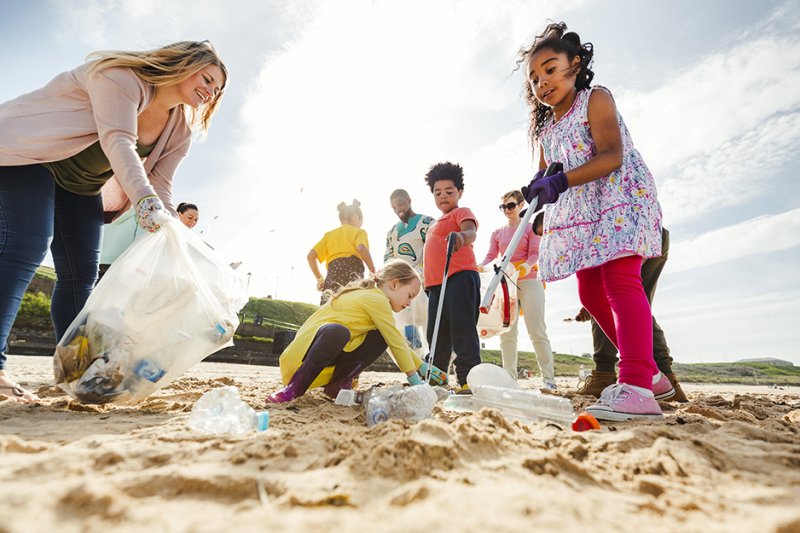
Beach and underwater cleanups directly remove waste before it harms marine life. Whether you organize a local beach cleanup or join an event at your local dive center, your efforts make a visible impact.
Collecting debris during a dive or beach clean-up can be deeply rewarding, especially when you realize how many small plastics and fishing lines you have prevented from becoming hazards.
Ready to start? SSI's Blue Oceans and Ecology programs often include cleanup opportunities that combine conservation with fun diving.
SOL STOCK LTD
Join an ocean cleanup—every bottle, line, and wrapper removed protects marine life.
Many sunscreens contain chemicals like oxybenzone and octinoxate that harm coral reefs. Switching to reef-safe sunscreen protects both your skin and marine ecosystems. Just look for mineral-based formulas that use zinc oxide or titanium dioxide, such as:
Applying modern reef-safe sunscreen is an easy win—today's formulas protect coral reefs without leaving your skin ghostly white.
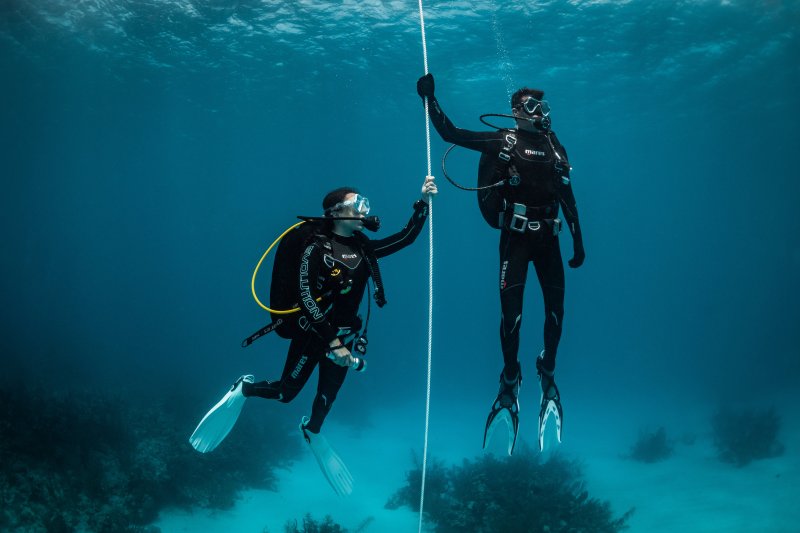
Responsible diving is one of the best ways divers can protect the underwater world. Maintain good buoyancy, avoid touching coral, and keep your fins away from the seabed to prevent accidental damage.
Taking the SSI Perfect Buoyancy and Marine Ecology specialties can help you refine your skills and protect fragile ecosystems while enjoying the incredible beauty of the ocean.
predrag_vuckovic
Good buoyancy protects fragile ecosystems and enhances your dive.
Education inspires action—we protect what we care about. Share what you know about marine life, coral bleaching, or sustainable seafood with friends and family. You can encourage others to care.
Social media posts, presentations, or conversations after a dive trip can also raise awareness and amplify positive change. When more people understand how their daily choices affect the sea, the collective impact can truly save the oceans.
Ready to start learning? Join SSI's Blue Oceans program and start learning about ocean conservation today.
Overfishing is one of the greatest threats to marine biodiversity. Choosing sustainably sourced seafood (or reducing seafood consumption altogether) helps maintain balance in the ocean.
Use sustainable seafood guides and check for certifications like the MSC Blue Tick label when choosing seafood. Dine at restaurants that prioritize local, traceable fish. Divers who witness healthy reefs firsthand often become the best advocates for responsible consumption.
LEARN MORE: Overfishing: 10 Essential Facts and How You Can Help
Fred-Buyle
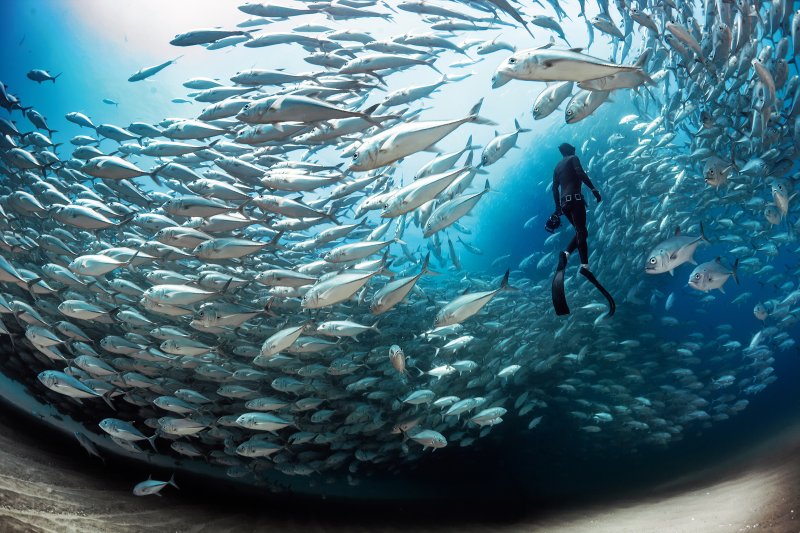
Healthy marine ecosystems thrive in protected areas like Cabo Pulmo National Park, Mexico.
Nonprofits play a vital role in marine research, rescue, and advocacy. Volunteering your time, donating funds, or joining a citizen science project directly supports conservation work.
Many SSI Training Centers collaborate with local NGOs, allowing divers to participate in coral restoration or turtle monitoring programs. Even small monthly donations to trusted ocean charities can go a long way toward helping save the oceans.
SSI's Ecology specialties are perfect for divers who want to deepen their understanding of ocean ecosystems. Learning how reefs, currents, and marine species interact builds appreciation and encourages more sustainable diving habits.
These courses not only enhance your underwater experience but also empower you to share accurate ocean knowledge with others.
The best part? Anyone aged 10 upwards can join these courses, and they can all be completed online—making them perfect for all to enjoy.
Check out SSI's Ecology Specialty Programs Here.
Lost fishing nets, lines, and traps, known as ghost gear, continue to kill marine animals long after being abandoned. If you spot debris while diving, report it to local authorities or your dive center.
Many SSI operations partner with cleanup initiatives to safely retrieve ghost gear. Documenting sightings with location details helps track and remove these underwater hazards, reducing suffering for countless marine species.
From dive shops to beachside cafes, local businesses that prioritize sustainability deserve your support. Choose companies that minimize plastic waste, use renewable energy, and participate in local conservation efforts.
Booking dives with eco-conscious operators or buying handmade souvenirs instead of imported trinkets keeps your money circulating within communities that care about the environment.
predrag-vuckovic
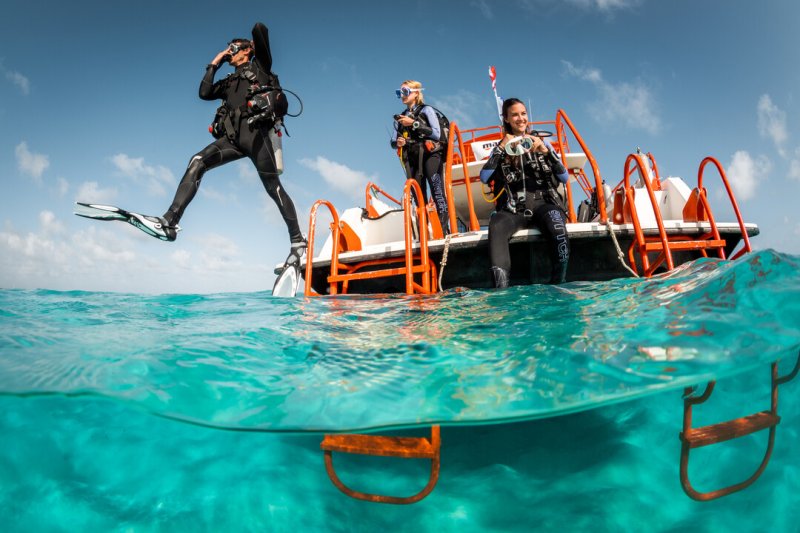
Where you book matters—choose eco-conscious dive operators that protect reefs while helping you explore them.
Climate change is warming and acidifying the oceans. Reducing your carbon footprint helps slow these impacts—and it is easy. Switch to renewable energy at home, drive less, and offset unavoidable travel emissions through certified carbon programs.
Divers can further minimize emissions by joining their local dive scene or supporting destinations that prioritize eco-tourism. The healthier our atmosphere, the better chance we have to save the oceans.
Looking for dive sites near you? Check out SSI's Global Dive Site Locator
It may be tempting to reach out to a curious turtle or move a starfish for a photo, but even gentle contact can cause stress or spread disease. Respect marine life by observing from a distance and keeping your hands to yourself.
This not only preserves animal welfare but also ensures that other divers can enjoy authentic, undisturbed encounters in the future.
Your voice matters. Supporting local and global legislation that protects marine life, limits pollution, and promotes renewable energy makes a real difference. Signing petitions, writing to representatives, or voting for environmentally minded leaders all contribute to large-scale change.
Divers who witness the beauty and fragility of the underwater world firsthand have a powerful story to tell. Use yours to advocate for ocean protection and inspire others to do the same!
Travel can be both rewarding and impactful. When planning a dive holiday, choose destinations that prioritize marine conservation and limit tourist pressure. Stay in eco-lodges, use reef-safe products, and reduce flights where possible.
Making small changes and traveling mindfully allows you to enjoy breathtaking coral reefs while helping to save the oceans for the next wave of explorers.
Ready to Make a Difference That Lasts?
Each of us has the power to protect the sea. Whether you are joining your first ocean cleanup or studying marine ecology with SSI, every action matters. With our flexible online training and a global network of responsible dive centers, it has never been easier to protect what you love.
Take the Next Step
Connect with an SSI dive center near you to take part in local cleanups, conservation events, or marine ecology training.
Find a Dive Center Near You