Simple Ways to Help Save the Oceans (That Actually Work)
travelecology
francesco-ungaro-unsplash
Many people care deeply about the oceans but feel overwhelmed by the scale of the problem. The good news? You do not need to be a marine biologist or professional diver to make a meaningful impact. These small, practical actions—whether you live by the sea or miles from the shore—can help protect marine life and save the oceans for future generations.
The most powerful actions start at home, cost little, and fit into your existing lifestyle. This list is your reminder that doing something—even something small—is always better than doing nothing.
Plastic pollution is one of the ocean's biggest threats. Items like bottles, straws, and bags often end up in the sea, where they harm marine life. Switch to these reusable alternatives:
- Stainless-steel bottles
- 布袋
- 竹製餐具
They are easy to find online and are a quick way to reduce waste and set an example for others. Every refill, reuse, or plastic-free purchase you make helps keep debris out of the water and moves us closer to a world where cleaner beaches are the norm.
predrag-vuckovic
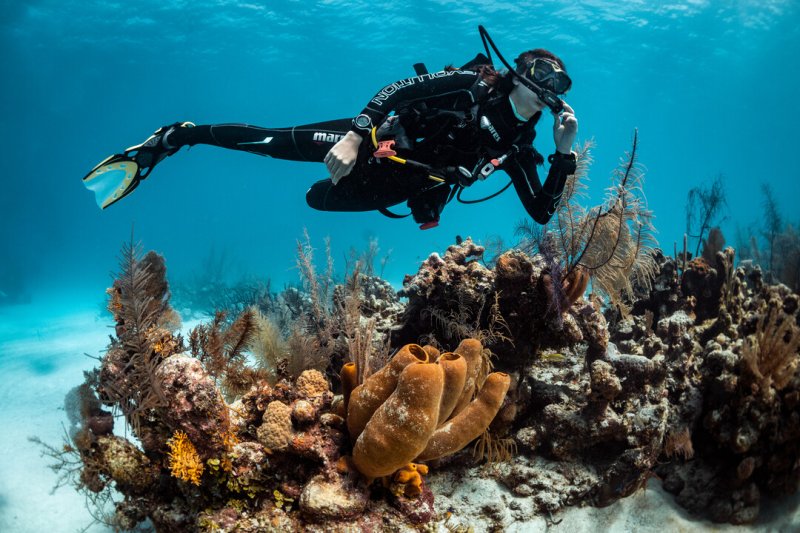
每一次潛水都是保護你所愛之物的機會——水下的小小行動就能對珊瑚礁產生巨大的影響。
Marine Protected Areas (MPAs) are essential for ocean recovery. Never heard of them? These essential zones are protected from human activities and allow coral reefs and fish populations to regenerate.
This gives ecosystems space to heal—boosting fish populations, coral growth, and ocean resilience. You can help by donating to conservation groups that fund MPA research, visiting marine reserves, or supporting policies that expand marine protections.
汲取靈感:海洋保護區的益處:潛水員應該了解什麼
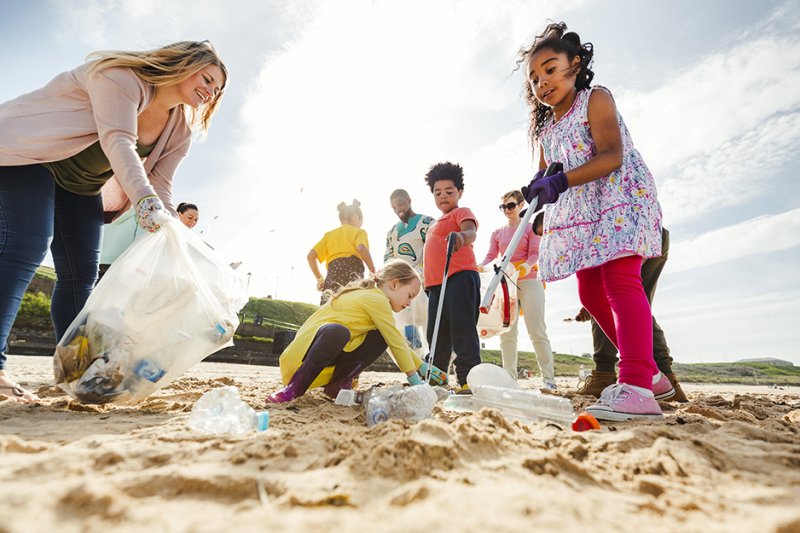
Beach and underwater cleanups directly remove waste before it harms marine life. Whether you organize a local beach cleanup or join an event at your local dive center, your efforts make a visible impact.
Collecting debris during a dive or beach clean-up can be deeply rewarding, especially when you realize how many small plastics and fishing lines you have prevented from becoming hazards.
準備好了嗎? SSI 的蓝色海洋和生态项目通常包含将环境保护与趣味潜水相结合的清理机会。
SOL STOCK LTD
Join an ocean cleanup—every bottle, line, and wrapper removed protects marine life.
Many sunscreens contain chemicals like oxybenzone and octinoxate that harm coral reefs. Switching to reef-safe sunscreen protects both your skin and marine ecosystems. Just look for mineral-based formulas that use zinc oxide or titanium dioxide, such as:
Applying modern reef-safe sunscreen is an easy win—today's formulas protect coral reefs without leaving your skin ghostly white.
Responsible diving is one of the best ways divers can protect the underwater world. Maintain good buoyancy, avoid touching coral, and keep your fins away from the seabed to prevent accidental damage.
Taking the SSI Perfect Buoyancy and Marine Ecology specialties can help you refine your skills and protect fragile ecosystems while enjoying the incredible beauty of the ocean.
predrag_vuckovic
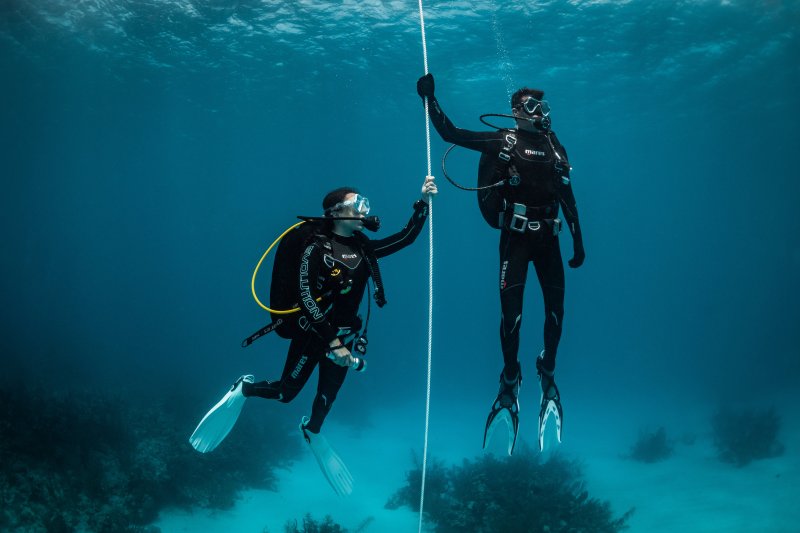
Good buoyancy protects fragile ecosystems and enhances your dive.
Education inspires action—we protect what we care about. Share what you know about marine life, coral bleaching, or sustainable seafood with friends and family. You can encourage others to care.
Social media posts, presentations, or conversations after a dive trip can also raise awareness and amplify positive change. When more people understand how their daily choices affect the sea, the collective impact can truly save the oceans.
Ready to start learning? Join SSI's Blue Oceans program and start learning about ocean conservation today.
過度捕撈是海洋生物多樣性面臨的最大威脅之一。選擇可持續來源的海鮮(或完全減少海鮮消費)有助於維持海洋生態平衡。
Use sustainable seafood guides and check for certifications like the MSC Blue Tick label when choosing seafood. Dine at restaurants that prioritize local, traceable fish. Divers who witness healthy reefs firsthand often become the best advocates for responsible consumption.
了解更多:過度捕撈:10 個關鍵事實以及您可以如何提供協助
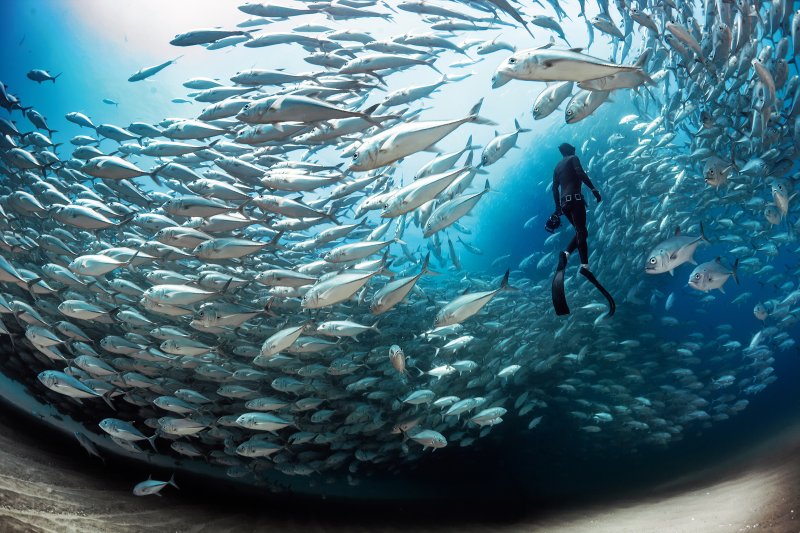
Fred-Buyle
健康的海洋生態系統在墨西哥卡波普爾莫國家公園等保護區內蓬勃發展。
非營利組織在海洋研究、救援和宣傳方面發揮著至關重要的作用。貢獻您的時間、捐款或參與公民科學計畫都能直接支持保育工作。
許多SSI訓練中心與當地非政府組織合作,讓潛水員有機會參與珊瑚修復或海龜監測計畫。即使是每月向值得信賴的海洋慈善機構捐贈少量資金,也能為拯救海洋做出巨大貢獻。
SSI的生態學專長課程非常適合希望深入了解海洋生態系統的潛水員。學習珊瑚礁、洋流和海洋生物之間的相互作用,有助於培養對海洋的欣賞,並鼓勵養成更永續的潛水習慣。
這些課程不僅能提升您的水下體驗,還能讓您與他人分享精確的海洋知識。
最棒的是什麼?任何 10 歲及以上的人都可以參加這些課程,而且所有課程都可以在線上完成——這使得它們非常適合所有人享受。
點擊此處查看SSI的生態學專業課程。
廢棄的漁網、漁線和漁籠,也就是所謂的「幽靈漁具」 ,即使被遺棄很久,仍然會繼續傷害海洋動物。如果您在潛水時發現這些垃圾,請向地方政府或您的潛水中心報告。
許多SSI計畫都與清理組織合作,安全地回收廢棄漁具。記錄發現地點等詳細資訊有助於追蹤和清除這些水下隱患,從而減少無數海洋生物的痛苦。
從潛水商店到海濱咖啡館,所有重視永續發展的當地企業都值得您的支持。選擇那些盡量減少塑膠垃圾、使用再生能源並積極參與當地環保活動的企業。
選擇環保潛水業者或購買手工紀念品而不是進口小玩意,可以讓你的錢在關心環境的社區內循環。
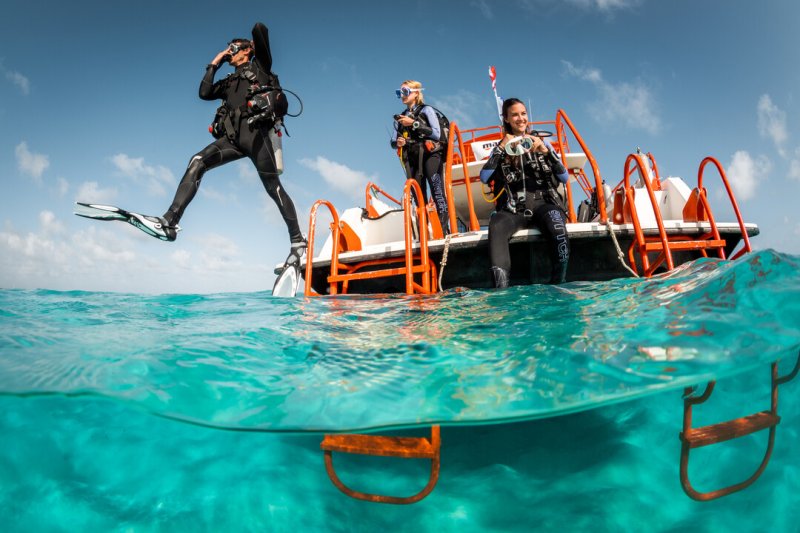
predrag-vuckovic
預訂潛水服務很重要——選擇有環保意識的潛水運營商,他們會在幫助你探索珊瑚礁的同時保護珊瑚礁。
氣候變遷導致海洋變暖和酸化。減少碳足跡有助於減緩這些影響——而且這很容易做到。在家中改用再生能源,減少駕車出行,並透過經認證的碳排放項目抵消不可避免的出行排放。
潛水員可以透過加入當地潛水社群或支持優先發展生態旅遊的目的地來進一步減少排放。我們的大氣越健康,拯救海洋的機會就越大。
想找附近的潛水點?看看SSI的全球潛水點定位器。
你或許會忍不住想去觸摸好奇的海龜,或是為了拍照而移動海星,但即使是輕微的接觸也可能給它們造成壓力或傳播疾病。請尊重海洋生物,保持距離觀察,不要碰它們。
這不僅保護了動物福利,也確保了其他潛水員將來能夠享受到真實、不受干擾的邂逅。
你的聲音至關重要。支持保護海洋生物、限制污染和推廣再生能源的地方及全球立法,能夠產生實際的影響。簽署請願書、寫信給代表或投票支持具有環保意識的領導人,都能為大規模的變革做出貢獻。
親眼目睹水下世界的美麗與脆弱的潛水員,都有著令人震撼的故事。用你的故事來倡導海洋保護,並激勵其他人也這樣做!
旅行既能帶來愉悅的體驗,也能產生正面的影響。在規劃潛水假期時,請選擇那些重視海洋保護、限制遊客數量的目的地。入住生態旅館,使用對珊瑚礁無害的產品,並盡可能減少飛行次數。
做出一些小小的改變,帶著覺知去旅行,可以讓你在欣賞壯麗珊瑚礁的同時,幫助保護海洋,留給下一代探險家。
準備好做出持久的改變了嗎?
我們每個人都有能力保護海洋。無論你是第一次參與海洋清理活動,還是在SSI學習海洋生態學,你的每一個行動都至關重要。憑藉我們靈活的線上培訓和遍布全球的負責任潛水中心網絡,保護你所熱愛的事物從未如此輕鬆。
邁出下一步
聯絡您附近的 SSI 潛水中心,參加當地的清潔活動、保育活動或海洋生態訓練。
尋找您附近的潛水中心
本文為自動翻譯,可能包含些微不準確之處;如有疑問,請以英文原文為準。