How to Become a Professional Diver with Purpose: Turning Passion into Impact
scuba diving
For those of us who get hooked on diving from the very first breath underwater, it is only natural to wonder how far can this passion take us? Whether it is leveling up your dive skills, exploring more advanced certifications, or dreaming about how to become a professional diver, the pull is undeniably strong. It is common to find divers racing to complete their training. Chasing opportunities in top dive destinations that offer the right mix of challenge and discovery. But what does it really take to go pro? And what options open up once you do?
From instructing and conservation to community outreach and exploration, there is more than one path to a purpose-driven diving career. I am here, as a pro diver who has taken a far from traditional route, to share a few you might not have considered.
Table of Contents:
-
What it Means to be a Professional Diver
-
How to Become a Professional Diver - Different Pathways
-
How to Choose Your "Why" Before Choosing Your Course
-
Training Steps to Go Pro
-
What Skills and Traits Help You Succeed
-
Final Thoughts on Diving With Impact
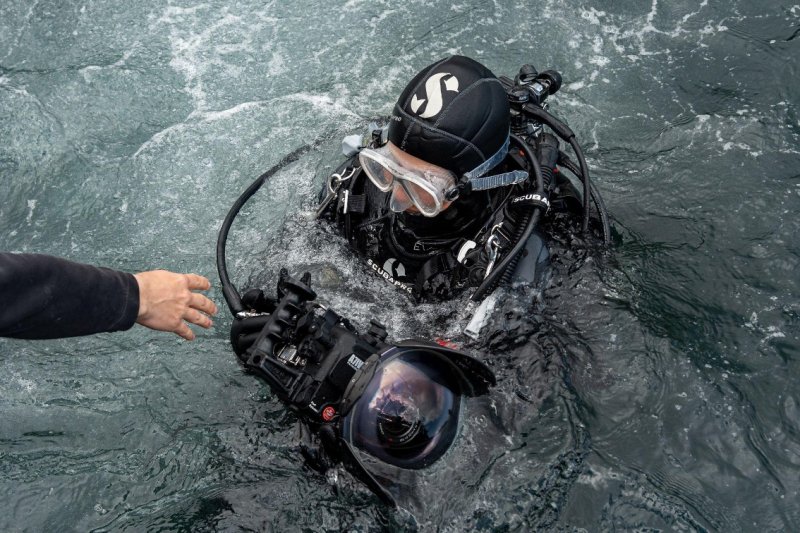
Adam-Moore
The Edges of Earth expedition team are professional divers that document positive climate progress around the world.
Becoming a professional diver is certainly about mastering dive theory and logging a certain number of hours underwater. While the certification path is relatively standardized—through agencies like SSI—what you do with that training is anything but.
Today, becoming a professional diver can mean leading tours, training the next generation, contributing to marine conservation, or even supporting scientific research in both remote and urban locations. The possibilities are broader than ever right now, and your personal goals will help shape your professional diving journey.
Being a professional diver is very much centered around how you use your experience to help others grow, both in skill and in awareness. A pro is constantly giving back to the ocean and the communities that directly or indirectly rely on it. Not to mention, once hitting this level, you become an ambassador for scuba diving as well as for the planet.
You will find that sense of responsibility shifts everything in your life. While many of us start diving to see what we can discover underwater, being pro means, it is no longer just about what we see. Now, it is also about how we show up every time we enter the water.
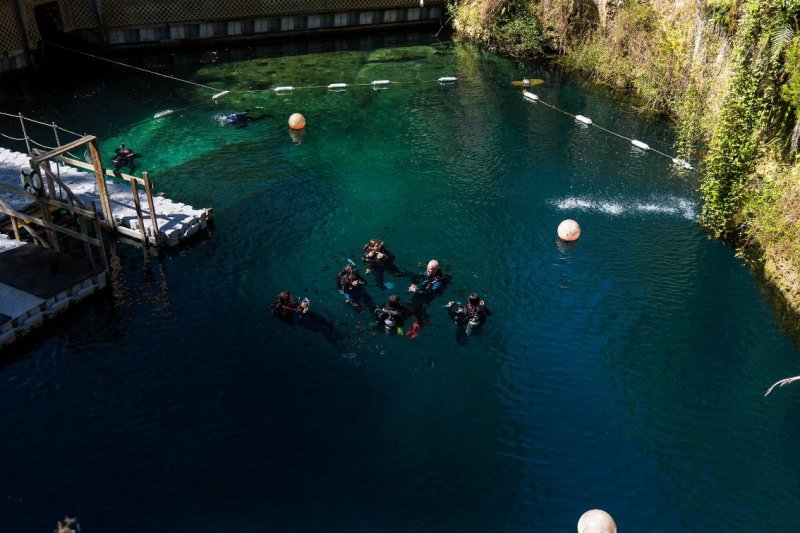
Adam-Moore
Open water divers being guided by an Instructor with SSI in Florida, USA.
There is more than one track to explore when deciding how to become a professional diver. While many follow the traditional route, others carve out unique paths that align with personal passions and long-term goals. The most common entry point into professional diving is through earning your Divemaster certification—meaning, you are responsible for guiding certified divers, assisting instructors, and helping manage dive operations. It is a role that requires solid experience and the ability to work with people of all skill levels, from nervous first-timers to the most seasoned.
Many Divemasters go on to become Dive Instructors, which means you are guiding dives and actively teaching courses to certifying new divers. Instructor roles are available all over the world and can open doors to working at dive centers, resorts, and on liveaboards.
Beyond the traditional pathway, there are professional roles within marine science and conservation that are extraordinarily fulfilling. These positions often involve working with NGOs, academia, or scientific institutions to collect data, monitor reef health, remove marine debris, or support ocean education programs (to name a few).
Whether you are volunteering or contracted on scientific projects, these roles combine diving with purpose-driven impact that unlocks a completely different view of the ecosystems that are being explored.
RELATED: From Science to Salvage - Most Exciting Jobs Involving Diving
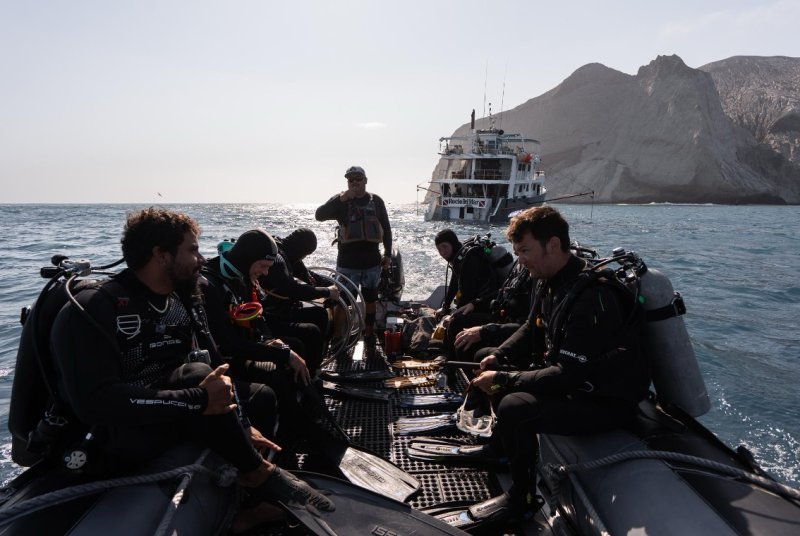
Andi-Cross
Divers and guide getting ready to plunge while on a liveaboard in Mexico.
Then there is technical diving (or Extended Range diving as we like to call it), which is where I currently sit. I am still a beginner in this space, but it has already opened up an entirely new world of possibility. Tech diving goes beyond recreational limits in both depth and complexity, allowing for longer dives, deeper explorations, and the use of specialized equipment like mixed gases and rebreathers.
And here is what is important: none of these paths require you to quit your day job or completely change careers (unless you want to, of course!). Becoming a professional diver can be an extension of the life you already lead. For me, diving has become the platform that connects my expedition work with my strategic consulting business.
Through Edges of Earth, our team documents positive progress on the frontlines of the climate crisis. We are called on by organizations to remote and often difficult-to-access locations—from freshwater lakes to saltwater coasts—all in support of scientific storytelling and content capture in order to promote environmental awareness.
At the end of the day, professional diving is what you make it. You can be a pro diver who is a photographer, or you can be a pro diver that conducts research, or you can be a pro diver that guides and leads epic pelagic encounters. You can shape it to complement your current lifestyle, or take the leap and build something entirely new. Either way, the path is yours entirely to define.
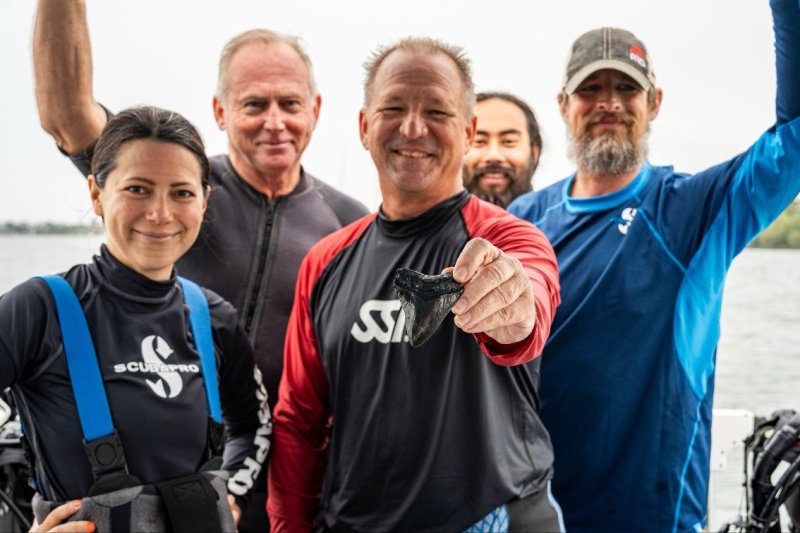
Adam-Moore
Diving for megalodon teeth while on the Edges of Earth expedition.
Before you commit to any course or certification, take the time to define your why. I have met countless divers eager to go pro but unable to articulate what is driving them. Some just want to see where it leads, and that is valid. But having a clear sense of purpose will help shape how to become a professional diver and save you time and money.
Maybe your goal is to become a dive instructor and work in tourism. Maybe it is to contribute to ocean conservation, assist in marine research, or document underwater environments. Whatever it is, take a moment to reflect on what excites you most, and what kind of impact you want to have.
That why definition will guide not only what courses you take, but where you take them and how you apply them in the real world. Finding your reason, your purpose, your passion—that is the best part of the journey.
RELATED: What Being A Shark Diving Guide Taught Me About Sharks - and People
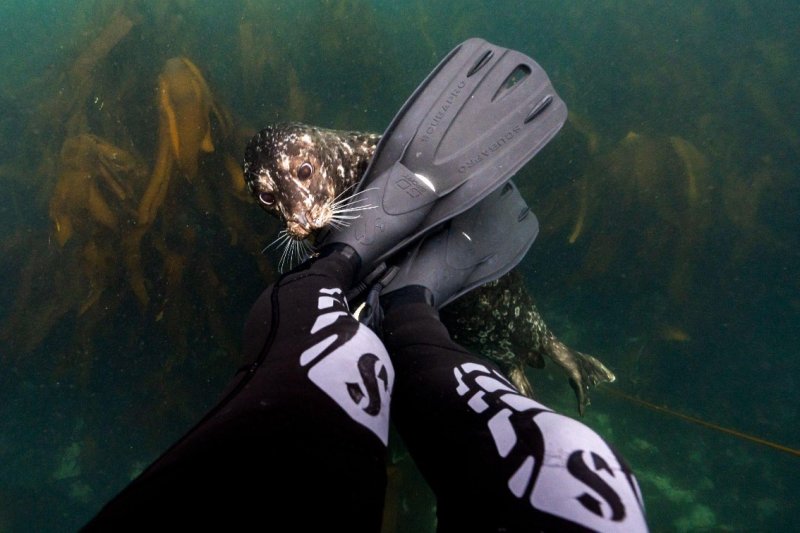
Adam-Moore
Scubapro fins getting checked out by a Harbor Seal in British Colombia.
The path to becoming a professional diver is not one-size-fits-all. Some divers choose the "zero to hero" route, which is a fast-track program where you start from scratch and earn your professional certifications in just a few months. These intensive programs are often based in dive destinations with high tourism traffic, giving you frequent access to the water and plenty of hands-on experience.
Others, like me, take a slower route. Traveling to explore different dive environments and conditions in order to figure out what areas of diving truly resonate. This approach lets you shape your journey around your interests above all else. The most common certification progression looks something like this:
Open Water Diver → Advanced Specialty Diver → Stress & Rescue → Divemaster → Diving Instructor
From there, the path becomes yours to shape. You can branch into Extended Range diving, commercial diving, scientific diving, or even blend several tracks depending on your goals. What matters here is that the route you choose supports your why, and gives you the appropriate training and perspective to turn your passion for diving into something much, much bigger.
START TODAY: Where to Find the Best Scuba Diving Employment Opportunities in 2026
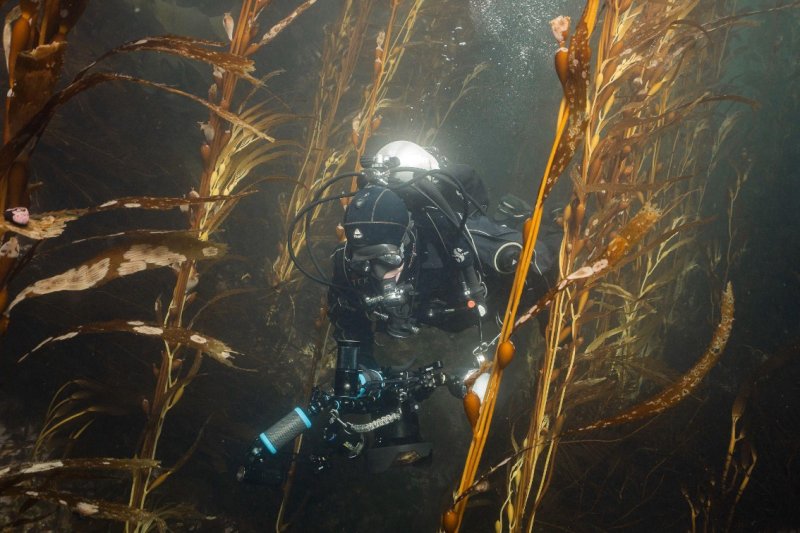
Andi-Cross
There are many different paths to enter the pro-arena when it comes to diving.
Succeeding as a professional diver takes technical ability, yes. But even more so, it requires patience and persistence, mixed with a whole lot of self-awareness. You need to know your limits and be able to identify when you are pushing too hard.
It is not only paramount, but it is life-saving if you are able to pull back when conditions are not right. A professional diver will not hesitate to cancel a dive if safety is compromised, even if it means disappointing others. Sound judgment, paired with empathy and clear communication, goes a long way in this line of work.
But if there is one trait that stands above the rest, at least in my opinion, it is genuine curiosity. That is what has fueled my own path, where diving has become deeply integrated into both my personal and professional life. Curiosity drives you to ask better questions, see beyond the surface, imagine different ways of engaging with the underwater world. It is the spark that keeps you learning and thinking creatively about the life you are building through diving.
If you are early in your pro diving path, one of the best things you can do is reach out and ask questions in order to stay open-minded. Most divers are more than happy to share their insights and experiences. And those conversations might just help shape your next step.
Discover the skills you need to go pro in: How to Land the Best Dive Jobs Around the World
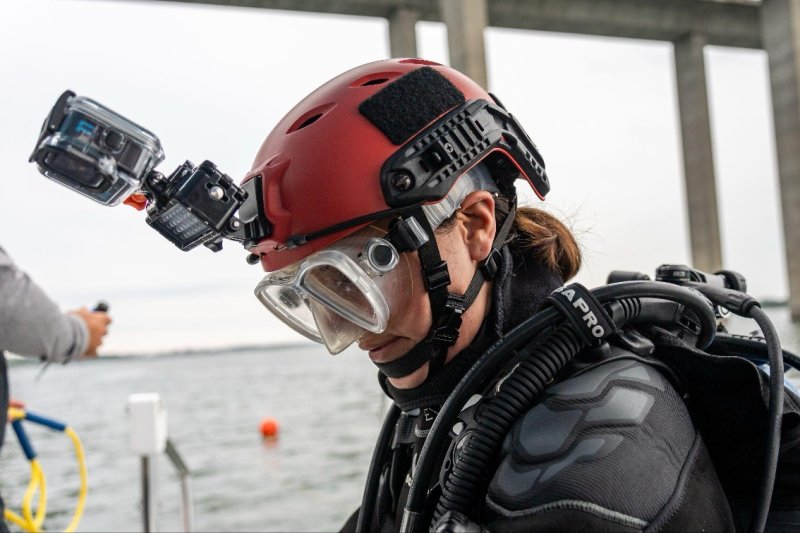
Adam-Moore
Find your purpose and go pro.
At its core, becoming a professional diver means getting in the water with purpose. Whether you are teaching others, exploring unknown depths, contributing to conservation, or telling stories from places that many will never have the chance to reach themselves, the impact you make goes beyond the dive itself. It is in how you think and act. It is in how you lead in and out of the water.
How to become a professional diver is ultimately up to you. There is no single roadmap, and that is the beauty of it. You can shape your path around what matters most to you, whether that is heavily rooted in education, protecting marine ecosystems or simply continuing to explore with intention.
Go pro for the opportunity to make diving mean more, not necessarily just for the title. That is where your personal impact will surely begin.
Ready to turn your passion into a career?
Find an SSI Training Center near you and start your journey today.
Find Your Nearest Dive Center
................
Dive Deeper into Your Future Career
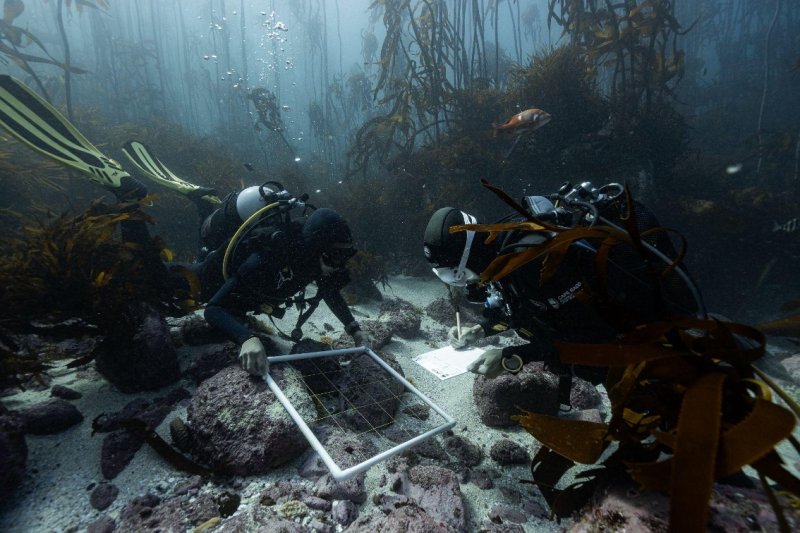
Adam-Moore
Scientific divers studying kelp forests in South Africa.
—Edges of Earth is an expedition and consulting team that explores the most remote corners of the world to document the realities of the climate crisis. Through immersive storytelling, the team translates on-the-ground insights into impactful narratives that drive meaningful change. By working with mission-driven businesses, scientists, and grassroots leaders, Edges of Earth is on a mission to help amplify untold stories that bring awareness to how we can create a more sustainable and just future. The expedition is supported by leading partners including SSI, Marine Conservation Institute, Oceanic Global, Scubapro, The Explorers Club, SHE Changes Climate and UN High-Level Climate Champions. The team is led by Andi Cross (writer) and Adam Moore (photographer), who have traveled to over 45 countries documenting what life is like on the edges.