Why Becoming a Pro Scuba Diver Is About More Than Skills
scuba diving
When you first start scuba diving, your mind is racing. Do I know what I am doing with my gear? Will I see big animals? And where am I diving next? You are still in vacation mode, focused on the fun of diving and unlocking as much discovery as possible. And of course, you are worried about just getting comfortable underwater. But somewhere mid-journey, that focus starts to change. You begin to think less about the gear and more about who you are becoming as a diver. Maybe you stay a recreational diver, or maybe you want something more. You want a deeper purpose behind the skillset. That is exactly what happened to me. I realized diving was shaping far more than just my time underwater. If you are feeling that way too, this one is for you.
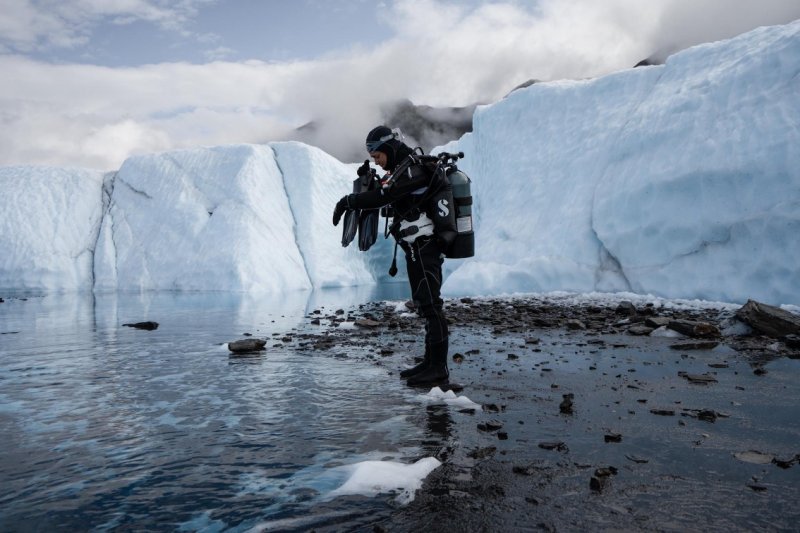
Adam-Moore
Finding your place as a pro scuba diver takes time and training.
Table of Contents:
-
Skills Will Get You Certified – But They Are Just the Start
-
How You Grow as a Leader, Communicator, and Teammate
-
Why Emotional Intelligence Is as Important as Dive Mastery
-
Becoming a Role Model in the Water
-
The Real Impact You Can Have as a Pro Scuba Diver
When you are just starting out, scuba diving is all about getting comfortable. You are focused on when to use what piece of gear and how to stay calm in the conditions you are finding yourself in. Diving buoyancy is always a big one. You are the wide-eyed newbie, and that is exactly where you are supposed to be. Most of your energy goes toward just doing it right, above all else. You are also chasing the big stuff, especially megafauna, because that is what is most familiar and easiest to spot. The patience and attention required for macro life or subtle ecosystem details comes later, once the basics settle in and your awareness expands.
But here is the thing: your certifications and your skills, while important, are just the entry point. They unlock the door, but what you do once it is open is where the real learning begins. As you gain more experience, you start shifting your focus from how you are diving to why. Your relationship to the ocean (and other water bodies you get the chance to explore) changes. You begin to notice even the smallest behaviors in marine life, not just their general presence. You start making small choices that prioritize impact, such as where you dive, who you dive with, and how you leave a site. And somewhere along the way, diving becomes less about performance and more about purpose. That is when you know you are equally improving your skills and becoming a different kind of diver altogether.
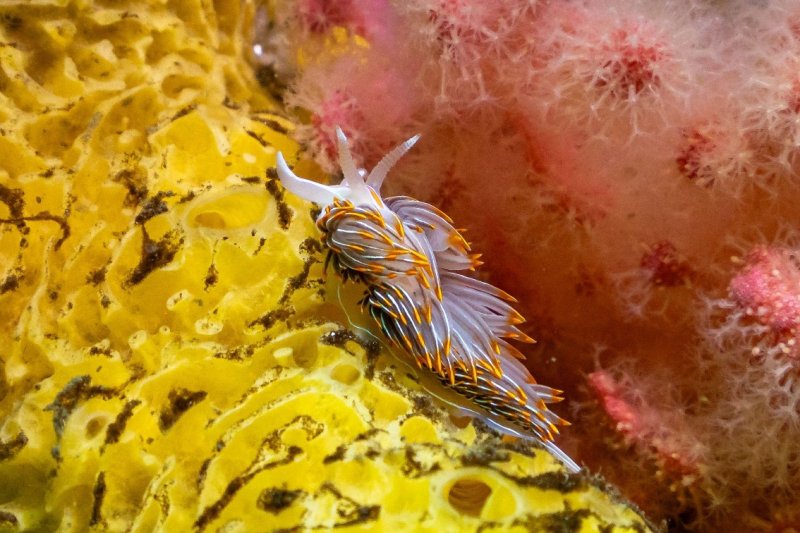
Andi-Cross
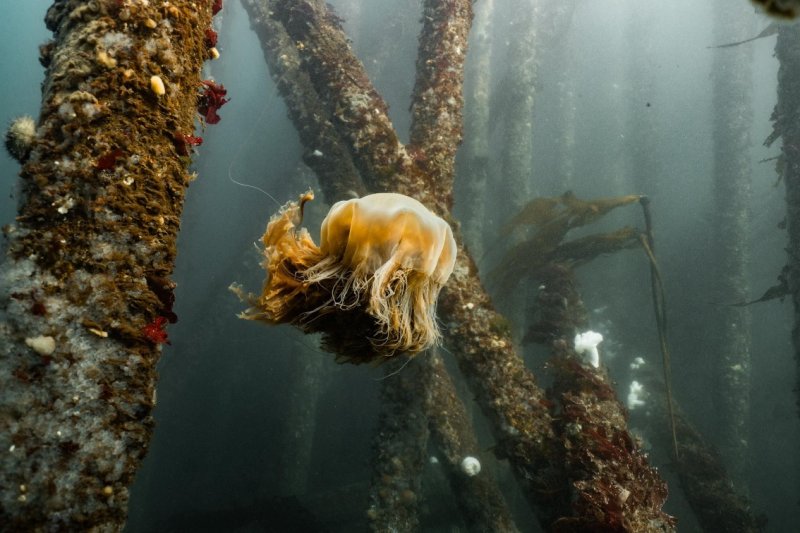
It took becoming a pro scuba diver to start noticing the most incredible macro species.
As my diving journey progressed from hesitant beginner to pro scuba diver to leading global expeditions with Edges of Earth, I realized that being a strong diver was simply not enough. Yes, skills got me certified. But what kept me moving forward, what unlocked real opportunity, was how I presented as a leader, communicator, and teammate.
When our in-field work started taking off and I began getting sponsored, invited on world-class expeditions, and asked to dive on behalf of scientists, conservationists, and local communities, the game changed. Suddenly, I was not just diving for myself or for fun. I was diving as part of a team, often in high-stakes environments where communication, trust, and decision-making mattered just as much, if not more, than perfect buoyancy.
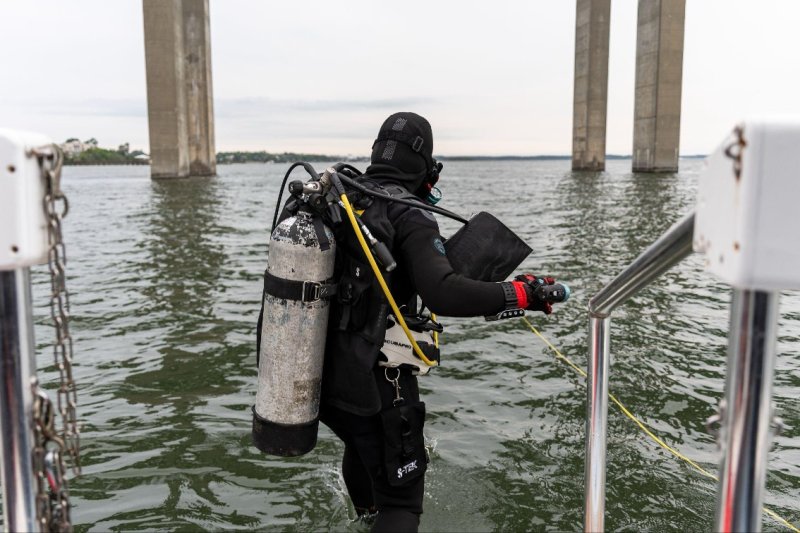
Adam-Moore
Diving in new conditions all the time requires lots of self-awareness.
In expedition environments, you are often diving in unfamiliar places with unfamiliar people. You are collaborating with local leaders, which can mean speaking across cultural or language barriers. You are translating scientific goals into creative outputs, all while helping others feel safe in extraordinarily tough conditions. Sometimes you have to make calls that are so hard that they were never found in any training manual. And you have to make those calls with your own life and the lives of others in mind.
Diving has consistently taught me that leadership does not necessarily mean "who is in charge." Leadership is being calm when things get unpredictable, clear when things get complex, and empathetic when people need support, even when you do not fully understand their why. To be a leader means being someone others want to dive with, because they trust you to have their back.
READ MORE: What Is Coral Bleaching? The Science (and Hope) Behind the Crisis
I will give you an example from an expedition where the stakes were incredibly high. We were diving in near-freezing waters off the coast of British Columbia, on assignment to document the behaviors of giant Pacific octopus for a series of media outlets. The conditions in this region are notoriously difficult, known for massive tidal shifts and unpredictable currents that can shut down an entire dive plan in minutes. [5]
(Diving conditions can change quickly and you need to think critically. Photo Credit: Andrea Humphries)
On this particular day, we dropped into the water during what was supposed to be a calm eddy. But within minutes, the current shifted unexpectedly, turning into a raging push that pinned us in a kelp forest. We were hanging onto giant holdfasts, bodies pulled hard in the surge. If we let go, we would be swept out into open water with little control over where we would surface. This is the kind of moment where pure dive skill is not enough.
We had to make a quick call, for ourselves, but for the entire team. Were we calm enough to stay present? Could we communicate clearly, even in limited visibility? Were we willing to call the dive, even after all hard-core logistics and planning that got us here? The answer had to be yes.
This is where emotional intelligence becomes essential. You need the self-awareness to recognize your own limits, the empathy to tune into your team, and the confidence to make the safest decision, even if it means walking away from a plan you have worked on for months. What I have learned is that pro scuba diving is largely centered around how well you read a situation and manage stress. Emotional intelligence becomes a core skill, especially when lives are on the line.
LEARN MORE: Dive Rescue Skills Every Diver Should Know (and How to Keep Them Sharp)
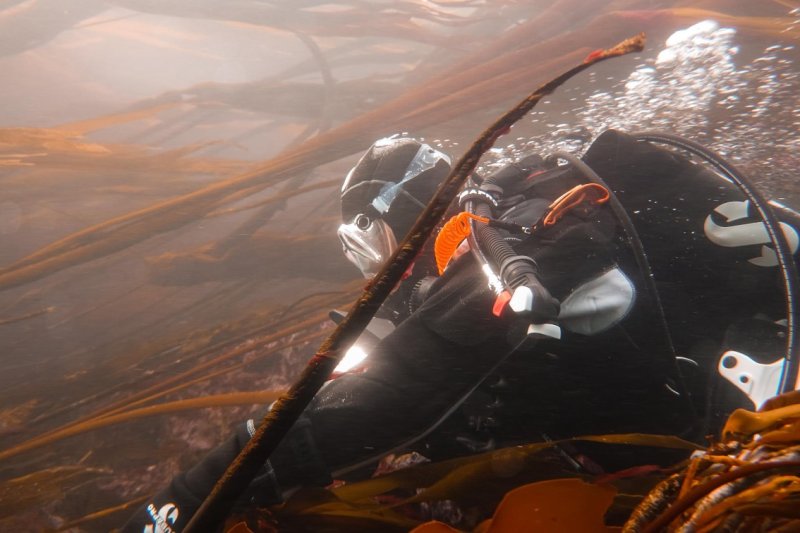
Andrea-Humphries
Cancelling a diving mission, even when wildlife is presenting itself might be necessary to keep everyone safe.
At some point, becoming a pro scuba diver stops being about personal achievement and starts being about how you lead by example. What pro diving becomes is a form of humble leadership. You are showing others how to dive, but you are really showing them how to do it right.
For me, that means being radically, unapologetically honest about where I am on any given dive. If something feels off, I say it with no hesitation, no shame. I will be the first to call a dive if conditions look unappealing or my instincts kick in. I will surface early if I do not feel safe diving with someone or something, no matter how important the mission or how much planning went into it. Being a role model starts with transparency. And while we all strive to be perfect divers, the truest form of leadership here is setting a standard of accountability and self-awareness that gives others permission to do the same. Not to mention, safe diving practices are always paramount, especially when you are on expeditions in different countries and in wild conditions.
This work also means being proactive. You have to understand the risks, know the rules, and be prepared to enforce them, even when it is extremely uncomfortable. You learn to communicate clearly in order to de-escalate tension and support your dive team in making smart dec
Andi-Cross
Being a dive role model is all part of the job.
As a pro scuba diver, I believe you are always working toward two missions. First, you are helping restore, protect, or conserve the ecosystems that sustain life, and that we are lucky enough to explore with scuba. Second, you are bringing people along for the ride. Diving is a people-and-planet pursuit, heavily designed to preserve what we love for future generations and help those generations experience it for themselves.
That impact takes many forms. It could be a Divemaster guiding someone through their first Open Water Diver course. A scientific diver surveying uncharted territories. An expedition diver documenting the underwater world for people who may never get the chance to see it. Or someone creating access in communities where diving has never felt possible until now. Diving is the ultimate motivator.
The most fulfilling dives I have done are actually not the deepest or the most remote for personal gain or conquest. They are the ones where a young girl tells me she learned to swim because of my story. Or when an Indigenous community leader sees their home reef for the first time because of my work and realizes what is worth protecting. Or when a scientist tells me the stories I have shared from diving with them have opened up funding pathways. Those moments have nothing to do with my personal bests, and everything to do with deep, human connection.
GET STARTED: Simple Ways to Help Save the Oceans (That Actually Work)
Adam-Moore
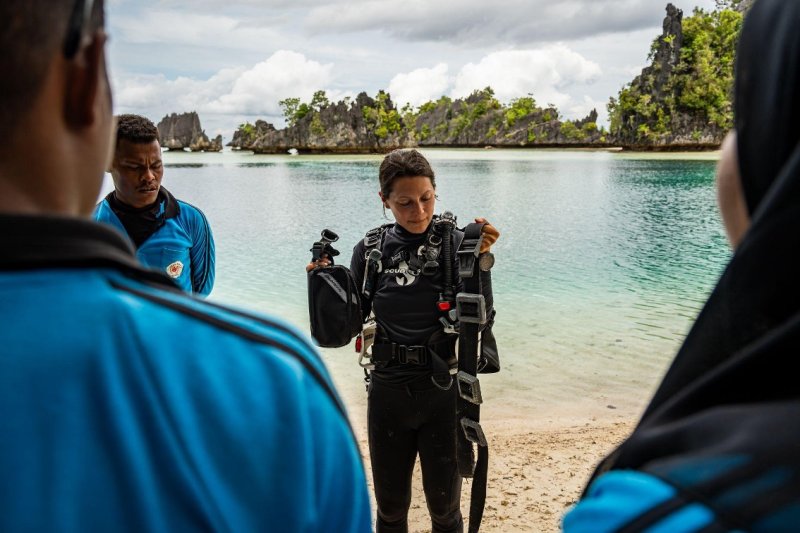
The most rewarding dives are centered around helping others.
Diving, while I love the adventure of it all, has become something much more esoteric. It is a way to meet people I never would have otherwise, to open doors, to inspire others, and to help reframe what is possible in a world filled with doom and gloom. The real impact you can have as a pro scuba diver is becoming an ocean ambassador, or a role model committed to keeping people and the planet front and center in your work.
So, why is becoming a pro scuba diver about more than just in-water skills? Because the real work actually starts once you leave the water. Your job as a pro is to use your unique position to protect what matters most. You are the one who is building trust, creating access, and inspiring the next generation to care as much as you do about these natural resources that are experiencing major decline.
So what are you waiting for? Maybe it is time to get that pro-level certification and start your lifelong quest. We need more of you out there.
Ready to Take the Next Step?
Find your nearest SSI Training Center and start your journey toward becoming a professional diver today.
.............
Dive Deeper into Professional Diving