How whales can save the polar bears
environmentmarine conservationssiclimate changewhalesecosystem
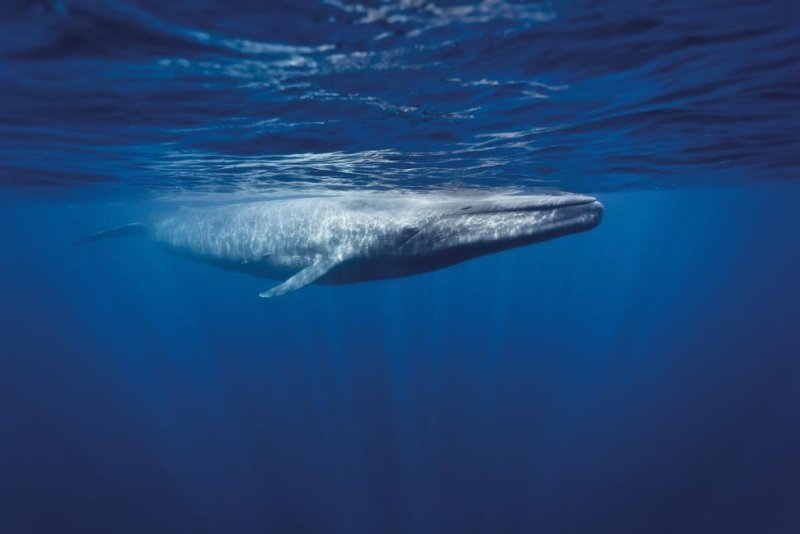
Blue Whale (c) Andrew Sutton
Protecting whales means protecting global climate
They are the symbol of the threat that climate changes poses to our planet: starving polar bears fighting for survival on ever-dwindling ice floes.
The rise in global temperatures has deprived them of their homes. At the same time, it is a threat to the future of humanity.
According to the World Economic Forum, the lack of measures to avert climate change is the greatest global risk in today's world.
Now, polar bears can get a helping hand from an unexpected source: the whales.
While international agreements such as the Kyoto Protocol and the Paris Convention stipulate a reduction in global carbon dioxide emissions, the whales' significant environmental role in mitigating climate change has been completely ignored.
The international whale and dolphin protection organization (WDC) wants to change this with their campaign "Der Grüne Wal" (literally, "The Green Whale").
Many scientific studies show that healthy whale populations are being affected by climate change. However, the absence of these "ecosystem engineers" would have unimagined consequences for our planet.
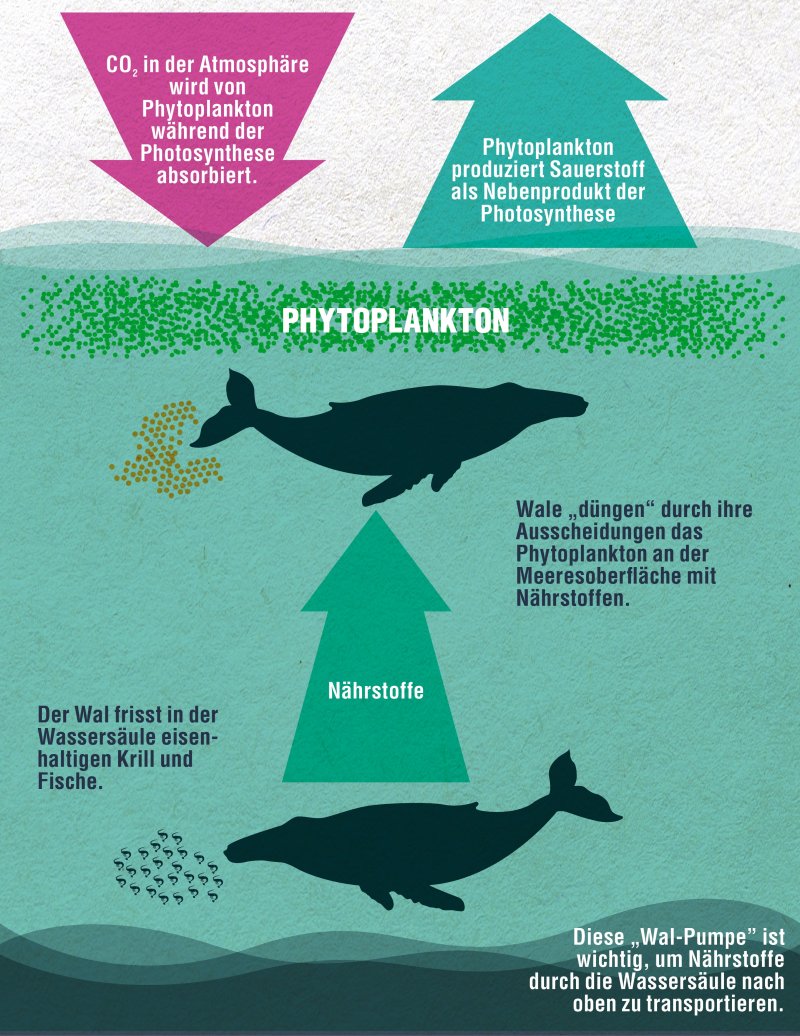
Phytoplankton (microscopic marine plants that float in the upper layers of the ocean) convert sunlight into energy and oxygen by means of photosynthesis. They produce at least half of the oxygen in our atmosphere. At the same time, they form the basis of marine food webs.
They serve as food for zooplankton, which are in turn consumed by fish and marine animals like whales. The whales' excrement in turn fertilise the phytoplankton with iron, nitrogen and other nutrients, completing the "cycle". Thus, more whales mean more plankton, and more fish in the ocean.
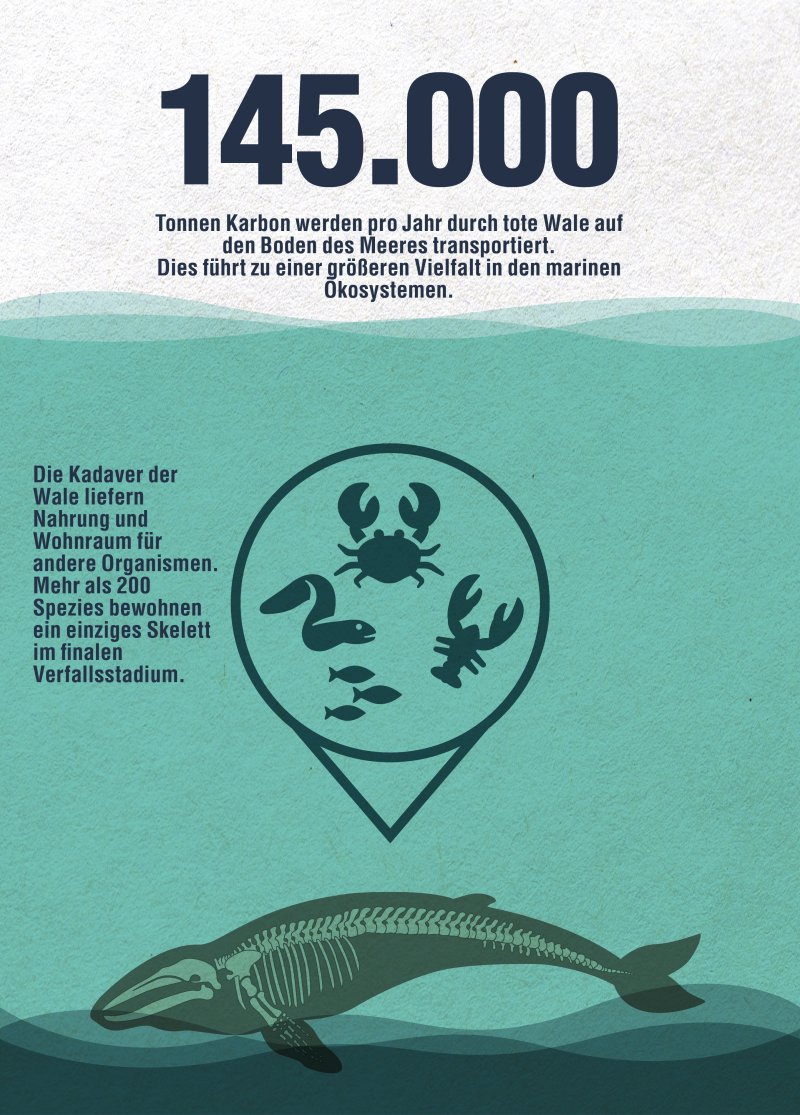
In addition, phoytoplankton not only produces oxygen, but they also absorb carbon dioxide from the atmosphere. Like phytoplankton, the bodies of whales sink to the seafloor after they die, binding the carbon that they have consumed over their lifetime into their bodies.
" About three million whales perished due to industrial whaling in the 20th century alone. A gradual recovery in whale stocks would mean the removal of around 200,000 tonnes of carbon every year, which is equivalent to the carbon storage of 110,000 hectares of forest, " said WDC's Programme Director Astrid Fuchs in German.
" After the 1986 international whaling ban, some populations have slowly recovered. However, we must not only ensure that the populations continue to grow, but also that they remain stable in the long term. Whales may be taken out of the ecological equation, by whaling, ship collisions or by becoming bycatch in fishing nets. 'The Green Whale' is intended to create public awareness of the immense importance of effective and holistic whale protection, " she continued.
Hence, the recovery and conservation of whale populations must constitute a vital part of the global strategy to combat climate change.
See here for more information
บทความนี้ได้รับการแปลโดยอัตโนมัติและอาจมีข้อผิดพลาดเล็กน้อย โปรดอ้างอิงจากฉบับภาษาอังกฤษต้นฉบับหากมีข้อสงสัย