Thistlegorm to take a “break” in January
scuba divingenvironmentmarine conservationextended range
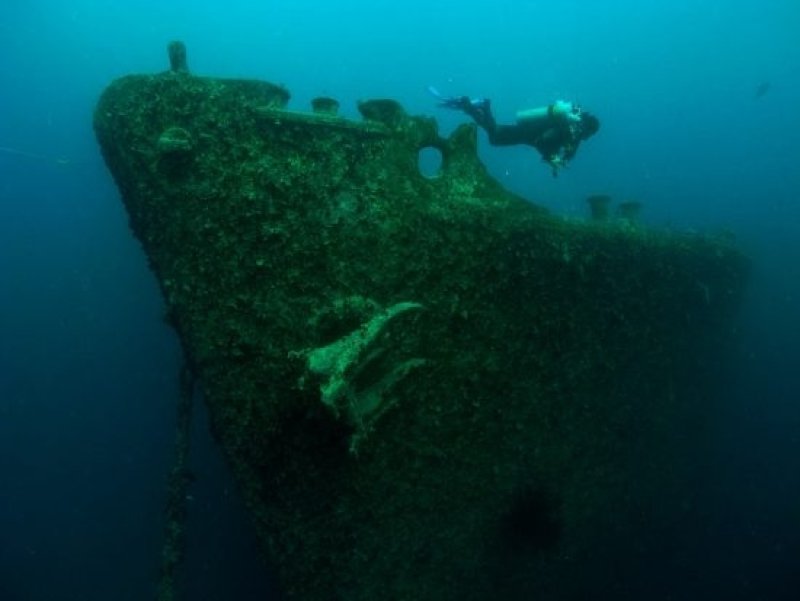
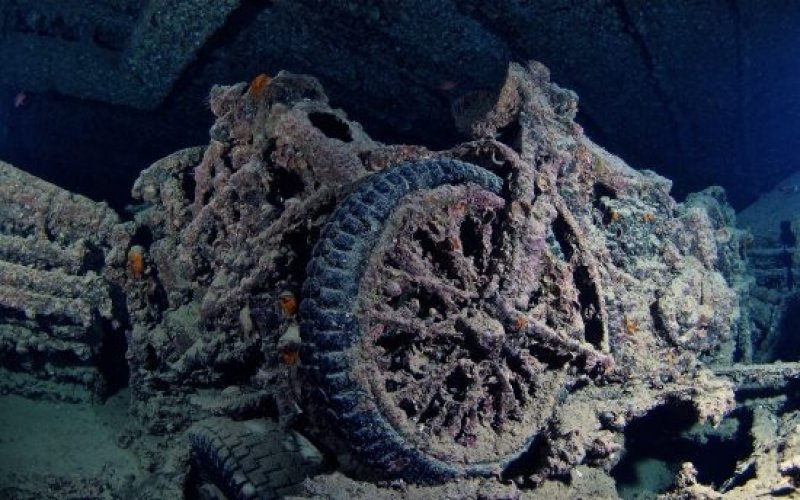
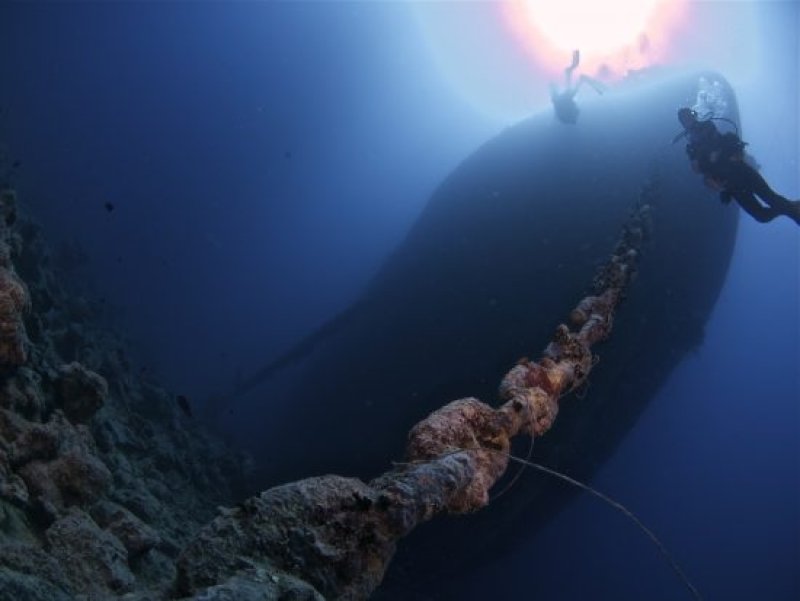
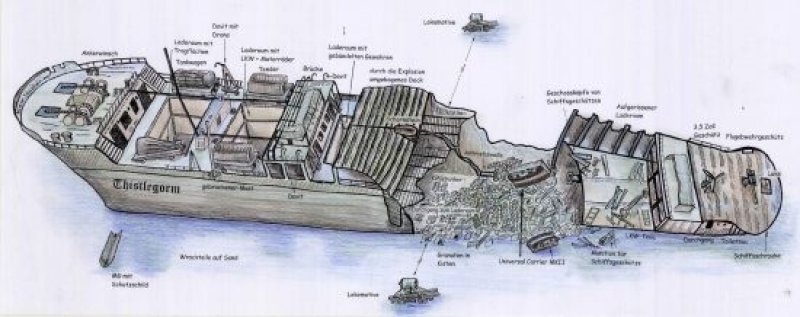
HEPCA takes action to protect wreck For 15 days in January 2016, the famous Thistlegorm wreck in the Red Sea will be closed to divers. This is to allow the Hurghada Environmental Protection and Conservation Association (HEPCA), with cooperation with the Egyptian Navy, to install 18 mooring buoys at a distance of 120 metres from the wreck. This is to prevent dive boats from mooring directly onto the wreck. In addition, there are also plans for local fishermen to bring divers on two tender boats from the landing piers to the ascent/descent line – the only lines that would be allowed at the wreck. This move is to help preserve this unique wreck that has proven to be a favourite amongst many divers. It is estimated that about 96,000 dives are made annually to the Thistlegorm (2007 estimate). In December 2007, the HEPCA initiated the "Saving the Red Sea Wrecks" campaign, installing a buoy mooring system to prevent further damage to the wreck as well as to stop dive boats from attaching anchor lines directly onto the wreck. A British cargo ship, the Thistlegorm was sunk on 6 October 1941 by the Luftwaffe during the Second World War near the southern tip of the Sinai Peninsula. On board were weapons, ammunition and equipment, including grenades, mines, tanks, trucks, motorcycles, two steam locomotives and several railroad cars. In 1956, during an expedition aboard the Calypso, French diving pioneer Jacque-Yves Cousteau discovered the Thistlegorm. However, the precise location of the wreck was not released and it fell into oblivion. Then, a group of German divers rediscovered it in 1991. Since then, it has become the most popular wreck in the Red Sea. The wreck lies at a depth of about 30 metres on the sandy bottom of the Red Sea, with its bridge rising to 17 metres. Diving the Thistlegorm is like travelling 70 years into the past, with its well-preserved cargo of equipment and weaponry. ource:
http://www.hepca.org/ Video: https://www.youtube.com/watch?v=He7k4HxasNc
Cet article a été traduit automatiquement et peut contenir des inexactitudes mineures ; veuillez vous référer à la version anglaise originale en cas de doute.