How Grenada's Underwater Art Park Is Supporting Coral Recovery
scuba divingtravelecology
Coral-olga-ga-unsplash
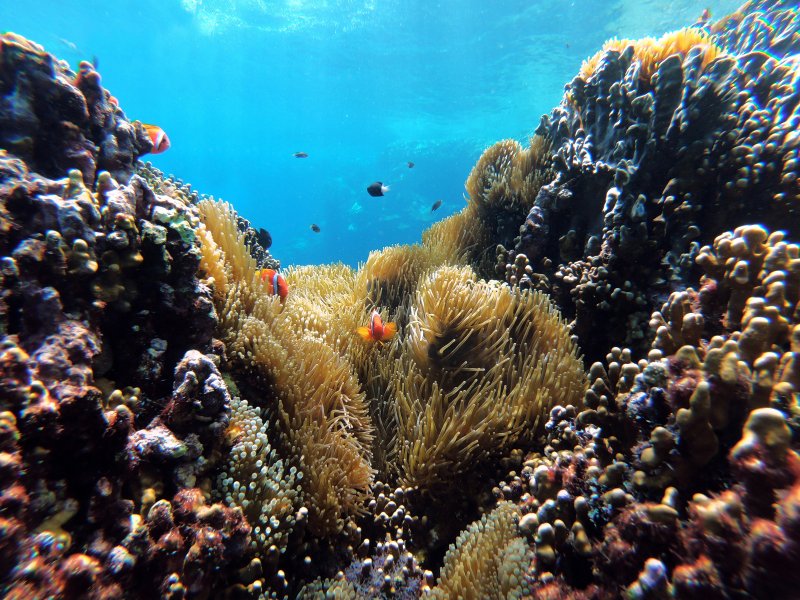
Grenada, known as The Isle of Spice, is celebrated for its lush landscapes, vibrant culture, and warm Caribbean waters. It is also recognized for its marine biodiversity and established dive tourism. Like many Caribbean nations, it is experiencing growing pressure on its coral reefs. Rising sea temperatures, stronger storms, coastal development, and human activity all contribute to reef degradation.
In response, Ocean Rescue Alliance International (ORAI) is working with local partners and authorities in Grenada to develop an artificial reef site and underwater art park. The project is designed to restore marine habitat and support coral resilience, and will create an exciting new dive and snorkeling location.
Read on to explore how the project is being designed, why artificial reefs and underwater art matter for reef recovery, and how divers can get involved.
Table of Contents:
-
Building a Reef for Long-Term Recovery
-
Supporting Sustainable Dive Tourism
-
A Community-Led Project
-
Who Can Dive There?
-
Aligning with the Values of the Dive Community
-
Ready to Get Involved?
Coral reefs are among the most biologically rich ecosystems in the ocean. They are also among the most exposed to damage. Across the Caribbean, warming seas, stronger storms, pollution, and physical impacts continue to erode reef structure.
When that structure disappears, reefs struggle to recover. Young corals have fewer stable surfaces to settle on. Fish lose shelter and feeding grounds. Over time, the entire ecosystem weakens.
Artificial reefs help rebuild what natural reefs have lost: structure, shelter, and space to recover.
The Grenada artificial reef has been planned as a long-term restoration site, not a short-term intervention. Its design focuses on restoring the physical framework reefs need to function.
This site will:
- Create new three-dimensional habitat where natural reef has been degraded
- Provide stable surfaces for coral attachment and growth
- Reduce diver pressure on nearby natural reefs
- Support shoreline protection by helping reduce wave energy and erosion
The structures are designed to weather, change, and grow with the surrounding environment. As coral and marine life settle, the site is intended to merge into the natural reef system, supporting recovery rather than standing apart from it.
The Ocean Rescue Alliance International just launched a historical project, Guardians of the Reef.
Underwater Art as Functional Reef Structure
The use of underwater sculpture is a distinctive feature of the Grenada project. These installations are not intended as decorative features only. Each sculpture is designed to function as a reef structure, combining ecological function with cultural storytelling.
The sculptures provide complex surfaces and shelter. This supports coral settlement, invertebrates, and fish species.
Underwater art installations such as the stunning Molinere Underwater Sculpture Park in Grenada and MUSA in Cancun are great examples of how sculptural reef projects can attract marine life and encourage coral growth. They also create beautiful dive sites that engage divers and snorkelers alike.
predrag_vuckovic
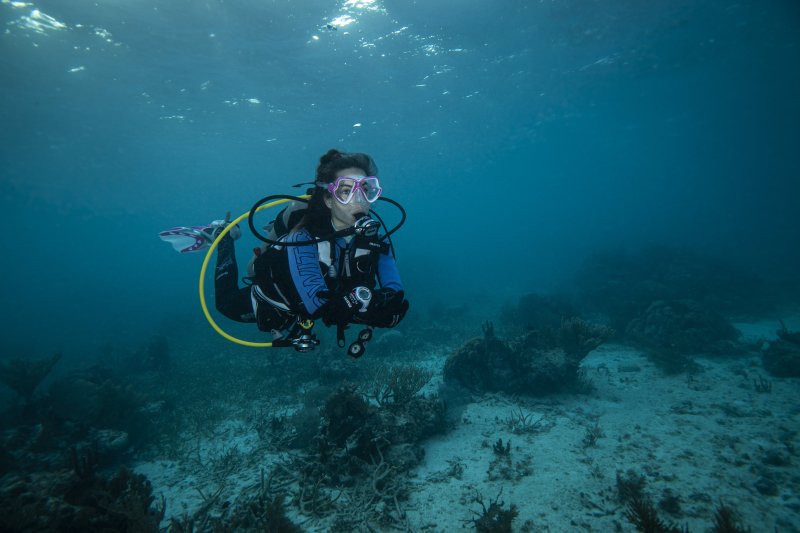
Divers exploring healthy reef ecosystems play an important role in supporting marine conservation and sustainable dive tourism.
Dive tourism plays an important role in Grenada's coastal economy. When managed responsibly, diving in Grenada can actively support conservation goals.
By creating a new dive site, the artificial reef and underwater art park aim to:
- Spread diver traffic more evenly across local sites
- Reduce physical pressure on natural reefs
- Create new opportunities for local dive centers and guides
- Encourage longer stays and repeat visits
The project reflects changing expectations within the dive community. More divers now seek experiences that support marine protection and recognize that where and how they dive matters.
READ MORE: Coral Reef Conservation: Is it too late to save reefs?
The Grenada project has been developed through close collaboration. ORAI is working with the Grenadian government, local stakeholders, and dive centers in Grenada. This ensures the project reflects local priorities and long-term needs.
Projects involving local communities are more likely to endure and deliver lasting ecological benefit.
This collaborative approach supports:
- Knowledge exchange between marine professionals and local experts
- Capacity building for long-term monitoring and maintenance
- Local economic opportunities linked to conservation
- A shared sense of responsibility for protecting Grenada's marine environment
ORAI's Guardians of the Reef project highlights how artificial reef structures support habitat creation, coral recovery, and community engagement.
The site has been planned for a range of depths and experience levels. It is suitable for entry-level divers, experienced recreational divers, and snorkelers. Educational and youth programs are also part of the site's intended use.
Accessible dive sites like this support wider engagement with marine conservation. They also introduce new audiences to reef ecosystems and responsible diving practices.
EXPEDITION NEWS: Antikythera—Scientific Diving on a 2,000-Year-Old Wreck
Divers today want experiences that help them understand and protect the marine world. The Grenada artificial reef and underwater art park reflect this shift in expectations.
This initiative embodies sustainable diving by:
- Promoting reef-safe diving behavior
- Encouraging active participation in conservation efforts
- Using storytelling and visual impact to raise awareness
- Demonstrating how innovation can support both nature and people
If projects like this one resonate with you, there are simple ways to contribute to ocean conservation.
SSI's Blue Oceans program is a free global initiative focused on ocean conservation. It helps divers build awareness and take part in protecting marine environments.
SSI's Ecology programs take that learning further. They explore how ocean ecosystems function, how marine life interacts, and how divers can dive with greater awareness and care.
Adults and children can take part in programs covering topics such as Marine Ecology, Fish Identification, Coral Identification, Sea Turtle Ecology, and more.
Join these programs to turn interest into action. You will build knowledge, create responsible diving habits, and support ocean stewardship within the dive community.
Learn More: The Isle of Spice
If you want to see how the Grenada project came together, The Isle of Spice offers the wider context behind the reef.
The film documents the vision behind the project and follows the partnerships that made it possible. It shows how reef restoration, underwater art, and community collaboration can work together in practice.
Watch The Isle of Spice to learn more about ORAI's Grenada artificial reef and underwater art park.