Scuba Diving in Coron: The Ultimate Guide to Wreck Diving in the Philippines
scuba divingtravel
iStock-RM-Nunes
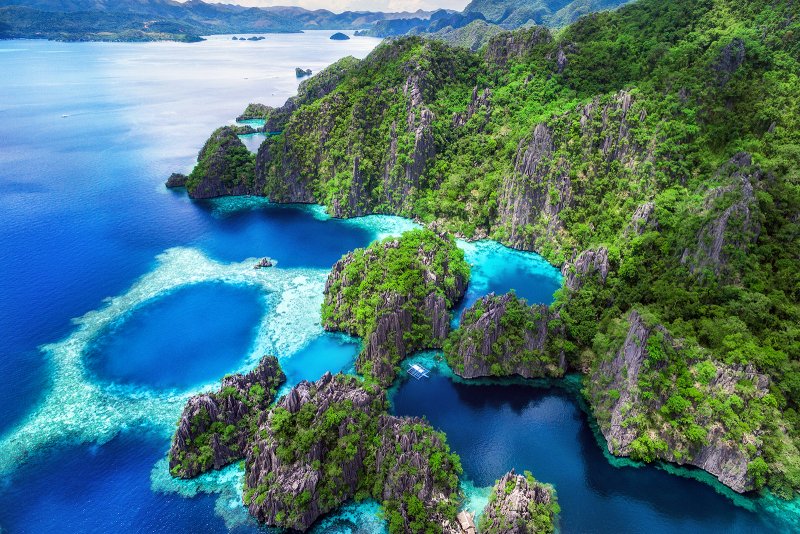
Coron is home to some of the best wreck diving in the world. Beneath its calm turquoise waters lie the ghosts of a Japanese supply fleet sunk during World War II, now transformed into vibrant artificial reefs alive with marine life. Add to that dramatic limestone scenery, warm tropical waters, and a sense of history around every corner, and it is easy to see why scuba diving in Coron is a bucket-list experience. Whether you are planning your first wreck dive or looking to challenge your skills on some of the world's most famous sunken ships, this guide will help you plan the ultimate dive trip to Coron.
What makes scuba diving in Coron so special is the sheer concentration and variety of wreck dives accessible to recreational and technical divers. Nowhere else in the Philippines, and few places in the world, offer this combination of history, adventure, and biodiversity.
Here you can glide over a sunken gunboat in shallow water, penetrate the holds of a massive freighter, or descend into the eerie darkness of a well-preserved warship - all in one trip. The wrecks are complemented by pristine coral reefs and stunning limestone karsts rising above the bay, creating an unforgettable setting both above and below the surface.
On the morning of September 24, 1944, U.S. Navy aircraft struck a Japanese supply fleet anchored in Coron Bay. These planes flew over 340 miles from their carriers and, within minutes, sank more than a dozen ships, including oil tankers, gunboats, and freighters.
Known locally only to fishermen for decades, the wrecks came into wider recognition in the 1970s and 80s as recreational scuba diving grew. Today, the wrecks are accessible, protected, and thriving as artificial reefs teeming with marine life
Read more about diving in Palawan on SSI's Scubago
Scuba diving in Coron means exploring wrecks that each have their own story, character, and challenge. Here are the seven most iconic, with details on what makes each special.
The jewel of Coron wreck diving, the Irako was a Japanese refrigeration ship and is remarkably intact. Resting upright at depths between 34 and 43 meters, the ship offers a maze of passageways and cargo holds lined with soft corals and alive with jacks and groupers. Many consider it the best wreck to penetrate in Coron.
At 160 meters long, the Okikawa Maru is Coron's largest wreck. Lying at 10 to 26 meters, it is accessible to a wide range of divers. The huge, open decks are encrusted with black corals, sponges, and other marine life. With good visibility and mild currents, it is often the perfect first wreck for advanced divers.
A Japanese seaplane tender and the only true warship in Coron Bay, the Akitsushima is a fascinating wreck with its crane still intact. Resting at 22 to 36 meters, it is a more challenging dive due to its depth and broken structure, best suited to experienced wreck divers. Schools of barracuda and sweetlips are a common sight here.
This 130-meter freighter lies at 22 to 34 meters and is another advanced-level dive. Cement bags, construction materials, and even a bulldozer still fill the hold, creating a surreal glimpse into history. The Kogyo Maru is draped in soft corals and sponges, and the swim-throughs can be tight, so proper wreck training is essential.
At 22 to 30 meters, the Olympia Maru is an iconic supply ship with wide-open holds and easy swim-throughs, making it one of the more accessible wrecks. Its decks are covered in corals and swarmed by anthias and barracuda.
Perfect for divers building confidence on wrecks, the Morazan Maru lies on its side at 12 to 26 meters. The holds are easy to navigate, while the hull is alive with hard corals and teeming with snappers, cardinalfish, and the occasional turtle.
Ideal for beginners or snorkelers, the Lusong Gunboat sits in just 5 to 15 meters of water. This shallow wreck is completely encrusted with corals and surrounded by shoals of reef fish, making it a vibrant, relaxed dive - and a great warm-up before tackling the deeper wrecks.
Scuba diving in Coron is not just about wrecks. Barracuda Lake is an otherworldly dive into layers of warm and cool water surrounded by limestone cliffs, while Twin Lagoon offers serene, crystal-clear swimming through towering karsts.
Siete Pecados, or Seven Sins, is a shallow reef covered in colorful hard and soft corals, with plenty of macro life and schooling fish - perfect for photographers or an easy day between wreck dives. These sites showcase the variety of marine environments that make Coron such a unique destination.
Discover why scuba diving in the Philippines is world-class
Coron Town is located on Busuanga Island, at the northern tip of Palawan province. Most visitors fly from Manila to Busuanga Airport (Francisco B. Reyes Airport), a flight of about an hour.
From the airport, it is a scenic 30 to 45-minute drive to Coron Town, where all the dive centers are based. Alternatively, you can take a ferry from El Nido or Puerto Princesa, though flights are faster and more convenient.
Scuba diving in Coron is accessible to a wide range of divers, but it is important to match your experience level to the site. Many of the famous wrecks lie deeper than 18 meters and involve overhead environments, so most dive operators recommend at least an Advanced Open Water Diver and Wreck Diver certification as a minimum.
If you want to venture inside the wrecks, check out SSI's Extended Range Wreck Diver and Technical Wreck Diver certifications. Some guides offer technical diving options for qualified divers looking to push beyond recreational limits.
If you are newly certified, you can still enjoy scuba diving in Coron - but always dive within your training and comfort zone.
Learn more about diving in the Philippines with SSI
The best time to go diving in Coron is during the dry season from October to May, when seas are calmest and visibility is at its best. December to March tends to be peak tourist season, so book accommodations and dive trips early.
Water temperatures are warm year-round, averaging 27-30°C, and visibility usually ranges from 10-20 meters, depending on the season and site.
The right dive center can make or break your experience in Coron, so take the time to choose wisely. Look for local dive centers that put diver safety and marine conservation at the heart of what they do, with clear safety protocols, small group sizes, and well-maintained equipment.
Responsible dive shops will ask about your certifications and comfort level before recommending sites, and they will pair you with guides who know the wrecks inside and out.
Scuba diving in Coron offers a journey into the past in one of the world's most extraordinary underwater landscapes. From shallow coral-encrusted gunboats to deep, haunting freighters, every wreck tells a story.
If Coron's legendary wrecks are calling you, now is the time to answer. Book your trip, choose the right dive shop, and get ready to explore some of the most iconic wrecks on the planet.
Ready to plan your trip? Find an SSI Training Center in Coron and start your wreck diving adventure today.