Scuba Diving Destinations: 20 Best Places for 2026
scuba divingtravel
iStock-Reef-Diver
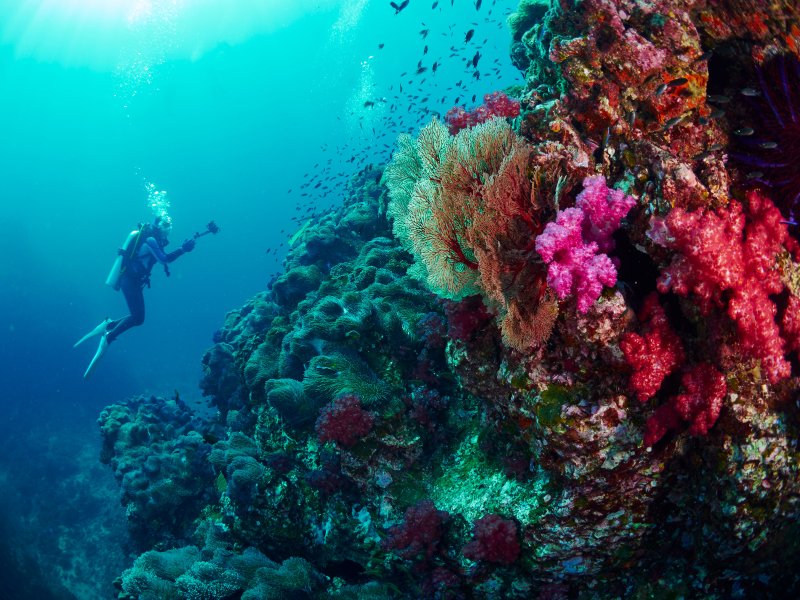
Picture Galápagos hammerheads cutting through the blue, Fiji's bright reefs glowing in the current, and Silfra's icy fissures opening beneath you. These scuba diving destinations offer plenty of reasons to pack your dive bag in 2026.
Marine protections, established flight hubs, and liveaboard itineraries help bring remote reefs within reach. This guide crosses the globe, from Pacific shark dives and Caribbean reefs to historic wrecks and European walls. Whether newly certified or experienced, each diver can find a reason to descend.
Confirm local requirements before traveling. For remote or liveaboard trips, review dive and travel insurance from DiveAssure before final payment.
Table of Contents:
-
1. Galápagos Islands, Ecuador
-
2. Raja Ampat, Indonesia
-
3. Egypt
-
4. Maldives
-
5. Cozumel, Mexico
-
6. Great Barrier Reef, Australia
-
7. Bonaire, Caribbean Netherlands
-
8. Palau
-
9. Komodo, Indonesia
-
10. Cayman Islands
-
11. Fiji
-
12. Tubbataha, Philippines
-
13. Hawaii
-
14. Silfra, Iceland
-
15. Malta and Gozo
-
16. Socorro, Mexico
-
17. Similan Islands, Thailand
-
18. Oman
-
19. Fakarava, French Polynesia
-
20. Sodwana Bay, South Africa
-
Which Scuba Diving Destination Will You Choose?
-
Dive Deeper
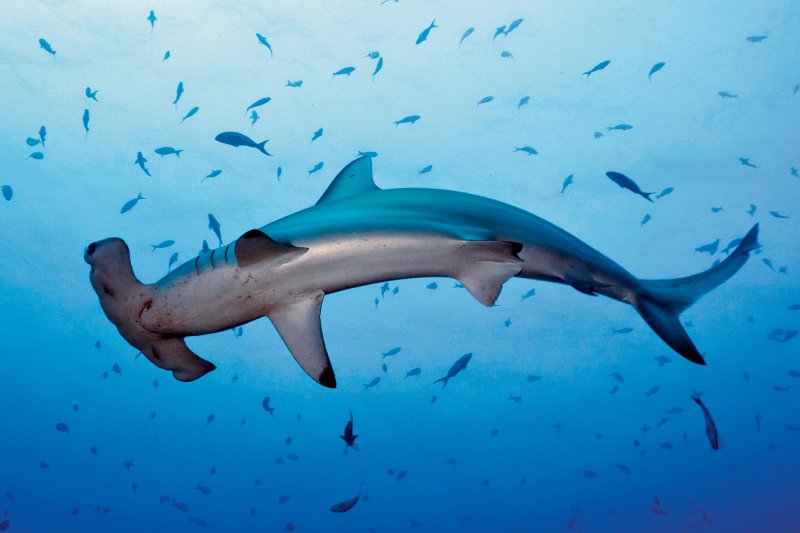
Few scuba diving destinations rival the Galápagos Islands for big-animal encounters. Strict protections surround Darwin and Wolf Islands, where vast schools of scalloped hammerheads can sweep across the blue until the ocean seems full of fins.
Water temperatures range from 18 to 24°C (64 to 75°F), while strong, shifting currents add energy to every dive. During the cooler season, whale sharks may emerge from the deep blue, their huge spotted bodies gliding past with effortless calm. Other large pelagic species may appear year-round.
- Best time to dive: June to November
- Experience level needed: Advanced
Alamy-Christian-Zappel
Raja Ampat is one of the best scuba diving destinations, known for its extraordinary marine biodiversity. At Cape Kri, record-setting fish counts come alive as dense schools stream above colorful coral, while mantas circle nearby cleaning stations. Marine park protections help support these reefs.
Water temperatures average 27 to 30°C (81 to 86°F), with visibility often between 15 and 25 meters (49 to 82 feet). Conditions suit a wide range of divers, although some sites have moderate currents.
- Best time to dive: October to May
- Experience level needed: Beginner to advanced
Planning Indonesia? Read the SSI Raja Ampat guide or explore Raja Ampat on Scubago.
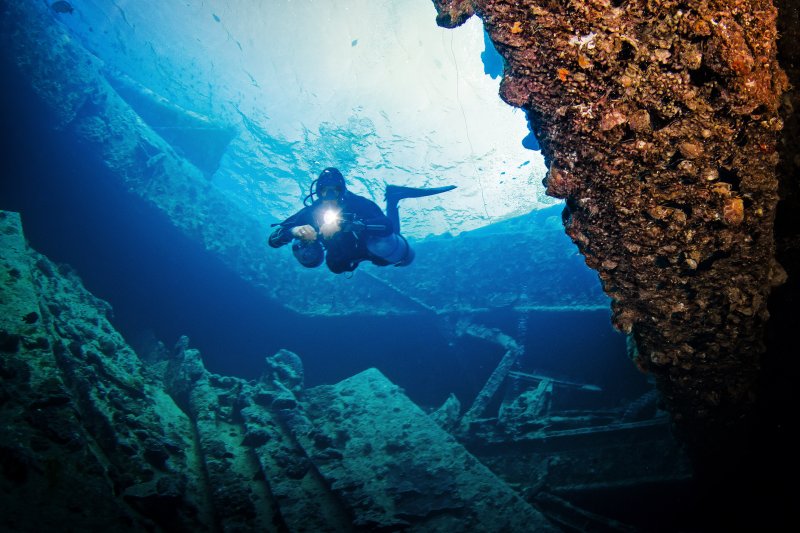
Egypt's Red Sea keeps drawing divers with affordable travel, clear water, and world-class conditions. Near Sharm El Sheikh, the SS Thistlegorm rests at 14 to 30 meters (46 to 98 feet), its wartime cargo turning every dive into a journey through a World War II time capsule.
Nearby, Ras Mohammed National Park adds steep coral walls and the chance of shark sightings. Visibility is rarely below 25 meters (82 feet), while water temperatures range from 22 to 28°C (72 to 82°F). International airports in Hurghada and Sharm El Sheikh also make planning a 2026 dive trip straightforward.
- Best time to dive: April to June and September to November
- Experience level needed: All levels; advanced and wreck experience recommended for the SS Thistlegorm
The SSI Wreck Diving Specialty supports safe non-penetration wreck dives.
Hollis-Jon-Milnes
Love coral reefs? Explore 10 of the best coral reefs in the world.
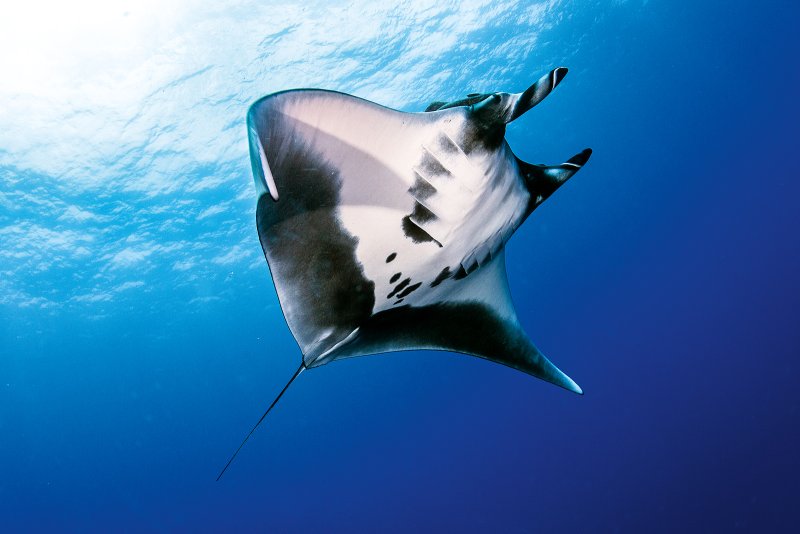
The Maldives remains one of the best places for manta sightings and exhilarating channel dives. Hanifaru Bay draws seasonal manta aggregations, but encounters inside the bay are by snorkeling only. Elsewhere, channel dives bring gray reef sharks, eagle rays, and mantas.
Water temperatures stay near 28°C (82°F), and currents can be strong. Liveaboards are a great way to explore several atolls in 2026.
- Best time to dive: December to April for many channel dives; May to November for Baa Atoll mantas (Hanifaru Bay snorkeling only)
- Experience level needed: Intermediate to advanced
istock-divepic
Explore Maldives diving on Scubago.
Cozumel's relaxed drift diving keeps it high on any list of places to scuba dive in the Caribbean. At Palancar Reef, the current carries you past towering coral formations and through dramatic swim-throughs in water averaging 26 to 29°C (79 to 84°F).
Visibility often reaches 30 meters (98 feet) or more, giving underwater photographers a clear view across the reef. Ongoing conservation work in the marine park is helping support reef recovery and healthy fish populations.
Explore Cozumel diving on Scubago.
- Best time to dive: Year-round; March to June often brings warm water and fewer crowds
- Experience level needed: Beginner to advanced
Australia's Great Barrier Reef sits high on many divers' bucket lists, and it is easy to see why. Along the Ribbon Reefs, vibrant coral slopes stretch into the blue, while Cod Hole brings the chance to meet large potato cod at close range.
Water temperatures range from 23 to 29°C (73 to 84°F), and visibility averages 15 to 25 meters (49 to 82 feet). Reef restoration work continues across parts of the Great Barrier Reef.
- Best time to dive: May to October
- Experience level needed: All levels
Bonaire's freedom of shore diving makes it an accessible choice for independent explorers. At sites like 1000 Steps, the reef slopes into clear water, revealing healthy coral and macro life between the rocks.
Calm seas, minimal current, and year-round temperatures near 27°C (81°F) suit divers of all experience levels.
- Best time to dive: Year-round
- Experience level needed: Beginner to advanced
Palau is famous for strong currents and reliable shark encounters. At Blue Corner, gray reef sharks cruise through the current while barracuda spiral above dense schools of jacks. German Channel offers a different spectacle, with mantas gliding into cleaning stations.
Water temperatures average 28°C (82°F), and visibility often exceeds 20 meters (66 feet). Palau's long-standing marine sanctuary protections help keep these ecosystems thriving.
- Best time to dive: November to April
- Experience level needed: Intermediate to advanced
Komodo National Park combines nutrient-rich currents with unforgettable manta encounters, creating dynamic diving for experienced divers. At Batu Bolong, coral and fish seem to cover every inch of the pinnacle while reef sharks patrol the blue beyond it. At Manta Point, mantas sweep over cleaning stations and sandy channels.
Water temperatures range from 24 to 29°C (75 to 84°F), and the currents can be strong but predictable with careful planning. Liveaboards remain the most efficient way to explore several sites across the park.
- Best time to dive: April to November
- Experience level needed: Intermediate to advanced
The SSI Waves, Tides & Currents Specialty helps you prepare for current-driven dives.
Little Cayman's Bloody Bay Wall remains one of the Caribbean's most dramatic drop-offs, making it one of the best places to scuba dive in 2026. The reef edge plunges beyond 300 meters (984 feet), with giant sponges, black coral, and bright reef fish clinging to the vertical face.
Visibility can exceed 30 meters (98 feet), and water temperatures average 26 to 29°C (79 to 84°F). Calm surface conditions and well-established dive centers make the Cayman Islands especially attractive for family dive trips in 2026.
- Best time to dive: December to April
- Experience level needed: Beginner to advanced, depending on the site
Known as the soft coral capital of the world, Fiji is one of the best scuba diving destinations for color. At the Great White Wall, pale soft corals glow along the reef at depths of 15 to 25 meters (49 to 82 feet), while Shark Reef Marine Reserve brings divers face to face with sharks during carefully managed dives.
Water temperatures stay around 26 to 28°C (79 to 82°F), with mild to moderate currents depending on the site. Community-led conservation helps protect Fiji's reefs.
- Best time to dive: May to October
- Experience level needed: Beginner to advanced, depending on the site
Tubbataha Reefs Natural Park, a UNESCO World Heritage Site, stands apart from most scuba diving destinations for its pristine coral ecosystems. Reached only by liveaboard during its short season from mid-March to mid-June, it reveals untouched reefs, swirling schools of barracuda, patrolling reef sharks, and the occasional whale shark.
Visibility often exceeds 30 meters (98 feet), and water temperatures stay near 27°C (81°F). Limited access keeps diver numbers low and helps protect the reefs, so booking well ahead for 2026 is recommended.
- Best time to dive: Mid-March to mid-June
- Experience level needed: Intermediate to advanced
Hawaii's volcanic underwater landscape and iconic manta night dives make it one of North America's most exciting scuba diving destinations. Off Kona, lava tubes, arches, and dramatic drop-offs turn the seafloor into a maze of swim-throughs, while mantas glide through beams of light after dark.
Water temperatures range from 24 to 27°C (75 to 81°F), and visibility averages 15 to 25 meters (49 to 82 feet). From December to April, seasonal humpback whale activity adds excitement above the surface.
- Best time to dive: Year-round; May to September often brings calmer seas
- Experience level needed: Beginner to advanced
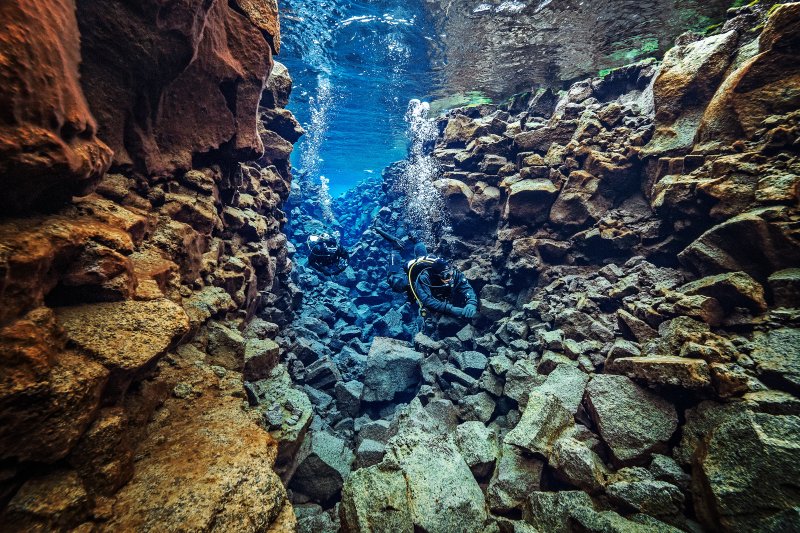
Silfra offers an extraordinary dive unlike anywhere else. Divers glide through a fissure within the rift valley between the North American Plate and the Hreppar microplate, surrounded by glacial water filtered through lava rock for around 30 years. The result is an almost unreal blue world, with visibility reaching about 100 meters (328 feet).
Water temperatures remain near 3 to 4°C (37 to 39°F) year-round. Divers need an Open Water-level certification plus a dry suit certification or proof of 10 logged dry suit dives within the previous two years, along with proper thermal protection. Cathedral-like rock formations complete the experience and make it a true bucket-list dive.
- Best time to dive: Year-round
- Experience level needed: Open Water Diver or equivalent, plus required dry suit experience
The SSI Dry Suit Diving Specialty teaches dry suit equipment use, comfort, and emergency skills.
Apeks
Malta and Gozo are two of Europe's best dive locations, with wrecks, caves, and limestone arches. At Gozo's Blue Hole, a dramatic entry leads toward swim-throughs and wide open-sea views, while the Um El Faroud wreck rests between 18 and 35 meters (59 to 115 feet), now transformed into a thriving artificial reef.
Water temperatures range from 15 to 26°C (59 to 79°F). Clear water, sunny weather, and short travel distances make Malta and Gozo ideal for an extended dive weekend in 2026.
- Best time to dive: June to October
- Experience level needed: Beginner to advanced
Socorro is famous for giant oceanic manta rays and close pelagic encounters. Mantas may sweep within meters, while dolphins, whale sharks, and large schools of hammerheads regularly appear from the blue, making this a must-dive destination for 2026.
Water temperatures range from 22 to 28°C (72 to 82°F), and open-ocean conditions can bring surge and current. Accessible only by liveaboard, Socorro remains remote and wild, while marine protections help support its rich pelagic life.
- Best time to dive: November to May
- Experience level needed: Advanced
Massive granite boulders, winding swim-throughs, and the chance of whale shark encounters give the Similan Islands a character unlike a typical reef. At Elephant Head Rock, enormous underwater formations create a maze of passages, overhangs, and open blue water.
Water temperatures average 28°C (82°F), with visibility between 15 and 30 meters (49 to 98 feet). The park usually closes during the southwest monsoon and reopens in mid-October, giving the reefs time to recover before the next season.
- Best time to dive: October 15 to May 15; confirm official park dates
- Experience level needed: Beginner to advanced
The Daymaniyat Islands offer a quieter alternative to better-known scuba diving destinations, with thriving coral reefs and relatively few visitors. Green turtles glide over the reef, reef sharks patrol the blue, and seasonal whale sharks may appear in the nutrient-rich water.
Temperatures range from 24 to 30°C (75 to 86°F), while visibility shifts between 10 and 25 meters (33 to 82 feet) as plankton levels change.
- Best time to dive: October to May; whale sharks more likely July to October
- Experience level needed: Beginner to advanced
Fakarava's South Pass is famous for shark walls and exhilarating drift dives, making it a standout destination in the Pacific. During certain tidal phases, hundreds of gray reef sharks gather across the channel, stretching through the blue as far as you can see.
Water temperatures average 27°C (81°F), and currents can be strong as the tide moves in or out. The remote atoll setting means fewer divers and pristine reefs.
- Best time to dive: May to October
- Experience level needed: Intermediate to advanced
Sodwana Bay rounds out the best places to scuba dive for 2026 with colorful reefs and seasonal pelagic encounters. At Two Mile Reef, coral-covered ledges reveal reef sharks, rays, and bright reef fish.
Water temperatures range from 22 to 27°C (72 to 81°F), with visibility typically between 10 and 25 meters (33 to 82 feet). Seasonal migrations add even more excitement, while the protected iSimangaliso marine area supports healthy reef growth and rich marine diversity.
- Best time to dive: Year-round; April to September often offers the clearest visibility
- Experience level needed: Beginner to advanced
mares
The best scuba diving destinations are not the same for every diver. One trip may mean drifting beside manta rays, another descending along a coral wall or exploring a historic wreck. Season, conditions, marine life, travel time, and experience all shape the right choice.
Start with the diving that excites you most. Explore dive destinations with Scubago, or use the SSI Center Locator to find an SSI Professional who can help you prepare. Which dive keeps pulling you back to the map?