How I Forged My Professional Diver Path
scuba diving
I am not your typical professional diver, and my career path is anything but traditional. That is exactly why I want to share it, so you can start thinking differently about how diving might shape your own life and impact on the planet. While the standard routes to becoming a professional diver are well established, there is power in taking an unconventional path, especially if you are open to the unknown. For me, diving became the catalyst to design the life I had always imagined. After my 100th dive, everything changed. Here is how I charted my own course and how you can start carving out yours.
Table of Contents:
-
Why I Did not Follow the Traditional Professional Diver Path
-
What I Did Instead - and Why It Worked
-
Lessons I Learned About Professional Diving, Work, and Self-Worth
-
Advice for Other Divers Wanting to Forge Their Own Way
-
The Power of Staying True to Your Vision
-
5 Steps to Build a Purpose-Driven Diving Career
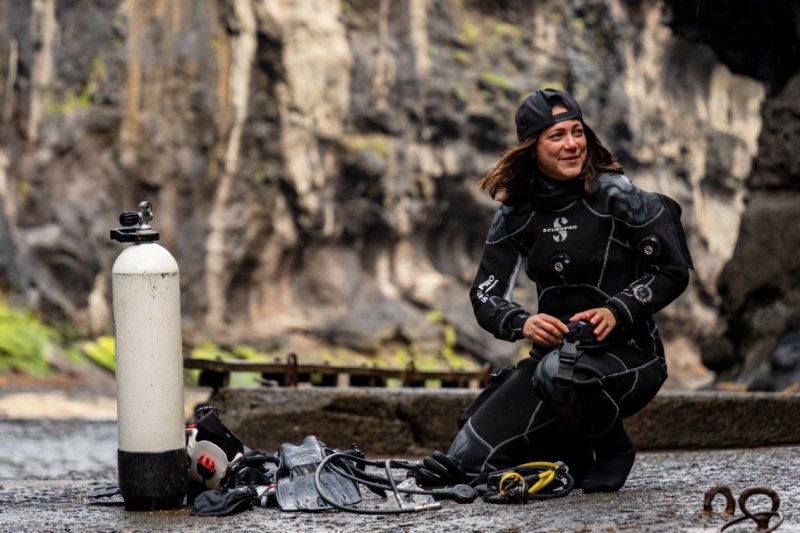
Adam-Moore
When I started diving in 2018, I was entering my 30s and could barely swim a full lap in a pool. At the time, I had spent over a decade climbing the ranks in strategic consulting in New York, working hard to reach a professional level I was genuinely proud of. This is not to say I loved the corporate grind or the feeling of being told how to live my life. But I did love the work itself. I had invested in my education, and I was determined to use my degree to its full potential.
So when I began my diving journey that winter, in a green-colored pool in Manhattan, the idea that my corporate life could ever merge with scuba diving was not even in consideration. However, once you have seen the underwater world and get the "diver's bug," it is understandable that you want more.
By 2019, I had relocated to the farthest point from New York City, chasing my wild, diving dreams all the way to Western Australia. Five years later, I had gone from someone who did not know how to swim to earning my Divemaster certification. It took a private instructor, a lot of humility, certainly some days of tears, and a willingness to start from zero. But once I committed, the rest started to fall into place and a whole new world of possibilities opened up for me.
GET INSPIRED: Meet the Faces of the SSI Ambassador Program 2026
Adam-Moore
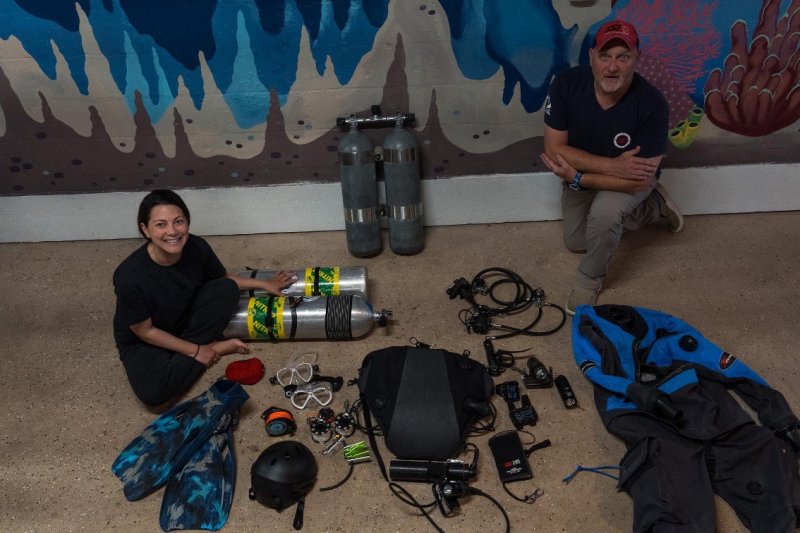
Starting extended range dive training to sharpen skills with Florida Springs Scuba.
I never became a Divemaster to leave my career behind. I saw it as a way to build skills that could enhance my consulting work. Unconventional? Definitely. But once the pieces connected, the formula started to work.
When I moved to Australia, I was still working full time as a senior strategist at a digital design firm while securing my visa. Before that, I had spent more than a decade in New York's top advertising and marketing agencies. At that point, I was ready to launch my own consulting practice focused on helping businesses succeed while doing good for people and the planet.
As I developed that vision, I noticed a gap: many mission-driven organizations had strong intentions, but their messaging felt disconnected from the ecosystems and communities they aimed to protect.
That realization led to Edges of Earth. What if professional diving could give us access to the places most people never see—reefs, rivers, kelp forests—and allow us to translate those realities directly to the brands and institutions trying to support them? That question became the foundation of our work. Today, Edges of Earth sits at the intersection of global consulting and immersive field expeditions.
Andi-Cross
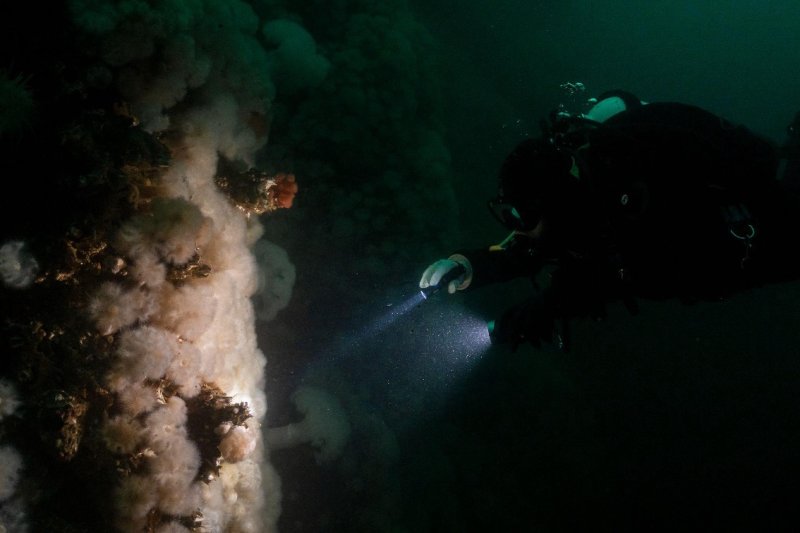
Edges of Earth team on a diving expedition in British Colombia.
On one hand, we live and work full time in the field, embedded with grassroots teams on the frontlines of climate and conservation. From kelp forests and polar regions to rainforests and coastal communities, we dive alongside local experts, scientists, and community leaders whose solutions are already making a difference. We document their work, help them tell their stories, and bring those case studies to the mainstream so they can gain visibility and attract funding.
On the other hand, we partner with NGOs, brands, and institutions to help translate what is happening in the field into clear narratives, meaningful partnerships, and long term strategies. These are organizations that understand the future depends on both doing well and doing good, and they are ready to act on that belief. Here is where the model comes full circle: every corporate or brand engagement directly funds our field expeditions. That investment allows us to reinvest time and resources into grassroots efforts that would otherwise go unseen or underfunded.
To date, we have supported more than 50 mission-driven organizations through this approach. Professional diving is what makes it possible, giving us access and a platform to help drive change from the bottom up and the top down.
READ MORE: From Science to Salvage: Most Exciting Jobs Involving Diving
Adam-Moore
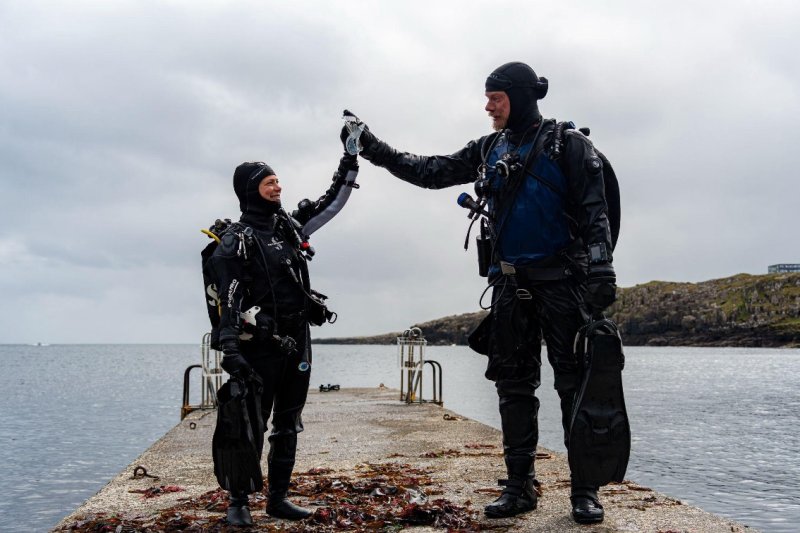
Forging close friendships with those met through diving.
Since early 2023, my team and I have been living in the field, consciously exploring more than 45 countries, and diving in every single one. We have done this work alongside scientists, conservationists, First Nations, youth leaders, activists, and government officials. And sometimes, we dive just for ourselves.
From remote islands to major cities, we are invited in to document environmental projects that we have come to call positive deviants—people and teams succeeding against the odds in the fight against climate change, often with scalable solutions that simply need more support to grow.
That is where professional diving comes in. Many of these teams do not have the capacity to capture the full picture of their work, especially underwater. We step in as professional divers and documentarians to fill in the gaps, which can mean a few things: from diving with their teams to capturing photography and videography to developing case studies and shaping stories that resonate. All of this sits at the perfect intersection of expedition work and consulting strategy—and it is where my background and dive training have met in the middle.
Andi-Cross
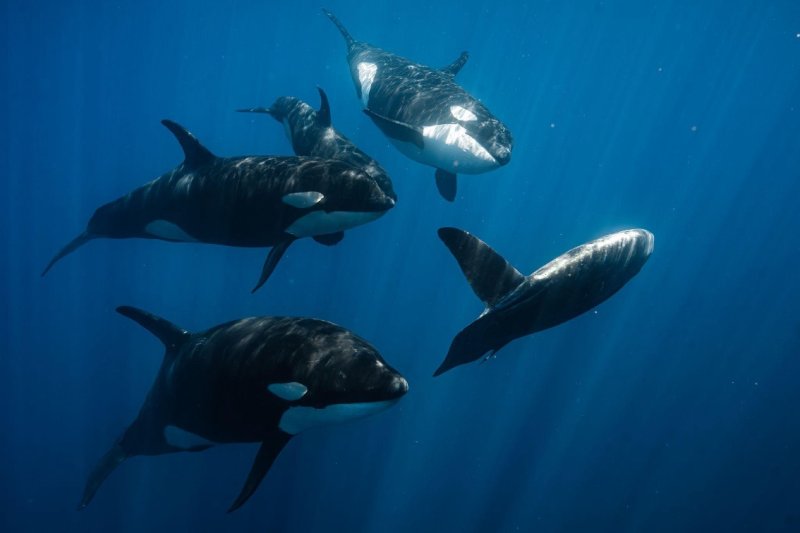
Helping local fishermen who have shifted to tourism document the value of their home in Mexico.
What I have learned is that professional diving is a gateway. For me, scuba diving is not necessarily the whole story, but it is a vital part of it. I have found a way to make professional diving work for myself, and more importantly, for others. Diving has become my great connector. It has opened doors to people and places I never imagined I would meet. It has given me access to positive frontline case studies that deserve to be told. It has acted as a tool to help show the world what is at stake.
Starting a consulting business, learning to swim and dive, and building a life in a space with no clear roadmap has not been easy. In the early days, when I pitched our expedition concept, plenty of experienced people told me it would never work and that it was unrealistic. What pushed me forward was curiosity. I stayed open, kept reaching out, and eventually found the right people who were willing to take a chance. After a lot of trial and error, we landed on a model that works. What started as a wild idea became the most fulfilling chapter of my life.
If you are a diver looking to forge your own path, my advice is to do the work. Ask bold questions, make mistakes, pivot often. Build something that not only excites you but also helps others and serves the planet. When you are on the right path, you will feel it. The right people will show up. The opportunities will follow. Do not stress about the end game; rather, enjoy the process. Let diving open new doors and use it to be bold enough to imagine something different, and relentless enough to make it real.
LATEST NEWS: SSI Divers in the Spotlight - Stories from the Global Press
Adam-Moore
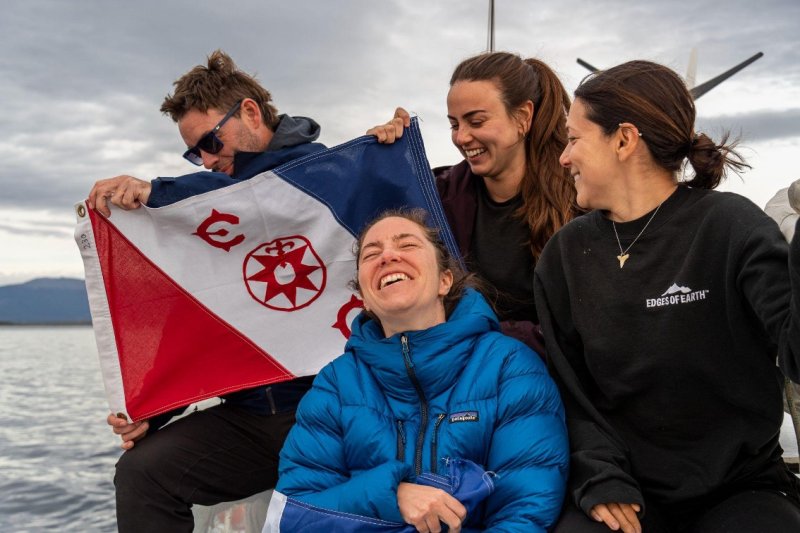
Friendship found through diving and on the edges, in unlikely places.
Once you have found a way to integrate diving into your life, whether it becomes your full-time focus or a powerful extension of your career, stay rooted in your vision. The planet does not need more bullshit or more self-serving content creation. It needs more tangible action and hard-core expertise. And while the Earth will keep spinning with or without us, what we do while we are here matters. Leave your mark in a way that helps others and helps protect what is left of our big blue planet.
Andi-Cross
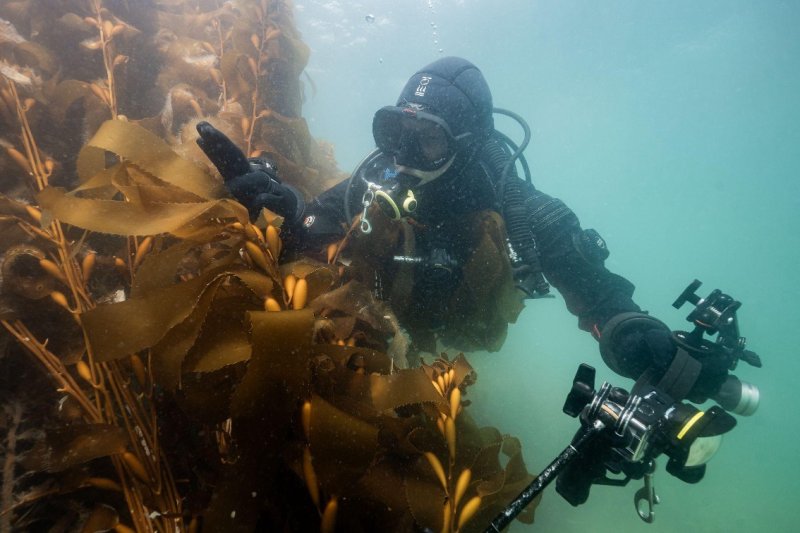
Leave your mark in the best way possible on our big, blue planet.
Someone once told me: "There are people who want to be seen, and people who want to be valued." That stuck with me. If you focus on using your skills to support others (on land AND in the water), you will find yourself on a fulfilling path that few get to walk. So, if you are serious about building a life around diving with purpose, here are a few steps to guide you:
3. Define your "why"
Be brutally honest about what you want out of this path. Is it education? Exploration? Conservation? Creativity? Your direction should align with your values, not just what looks good on Instagram.
2. Build your skills on both sides of the surface
Certifications are important, but even more so is putting in the time and work to build up your skills. Whether it is public speaking, media production, scientific literacy, cultural sensitivity, or technical diving, invest in the tools that help you operate effectively in the field you are working in.
Adam-Moore
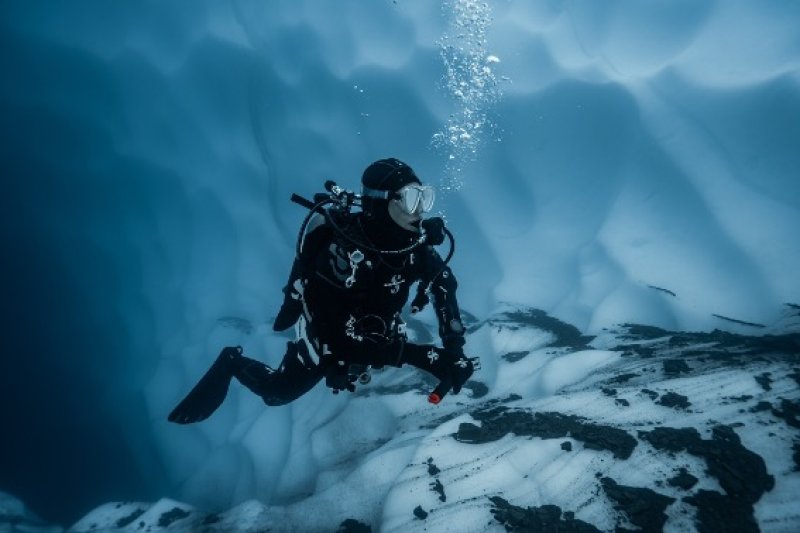
Let your professional diving take you to the most incredible places.
3. Find the right people
Surround yourself with those who challenge you and support your mission. Seek mentors, collaborators, peers, anyone you believe has walked a similar path, even if they are a few steps ahead. Listen to what they have to say, but in the end, make your own moves.
4. Start small, but start now
Remember that you do not need to dive into your dream career in diving overnight. Volunteer locally, create a case study, pitch a micro-collaboration, just get better at diving. Every meaningful path starts with one small win that leads to another. Maybe just getting in the water more will unlock something special.
5. Stick with it
You will have to fight for your vision and stay patient through setbacks. You will have to keep refining your craft until something clicks. But when it does, it can take you further than you ever imagined. Do not give up when things get hard; push your heels in deeper.
Whatever path you choose when it comes to being a professional diver, trust it. Stay committed and know that diving can take you straight into a life of impact. Good luck. You have got this.
Ready to Take the Next Step?
Explore the SSI Training Center Locator to find a dive center near you and start building your own path in professional diving.
Dive Deeper into Becoming a Professional Diver
· Explore SSI's Range of Professional Courses
· Get Insider Tips for Building a Career in Diving
· Talk to a Professional