Mermaid Tails for Kids – Fit, Safety, and Comfort | SSI
mermaid
mo-jo-Xyb-g8HkJHQ-unsplash
Table of Contents:
-
Mermaid Tails for Kids – Finding the Right Fit
-
Understand How a Mermaid Monofin Works
-
How Mermaid Tails for Kids Affect Buoyancy and Movement
-
Choose Beginner-Friendly Mermaid Tails for Kids
-
Is Your Child Ready to Swim with a Mermaid Tail?
-
Put Mermaid Tail Safety and Supervision First
-
Mermaid Tails for Kids – Start Practicing in a Pool or Confined Water
-
How to Care for Children's Mermaid Tails
-
Make Mermaid Swimming a Family Activity
-
Dive Deeper
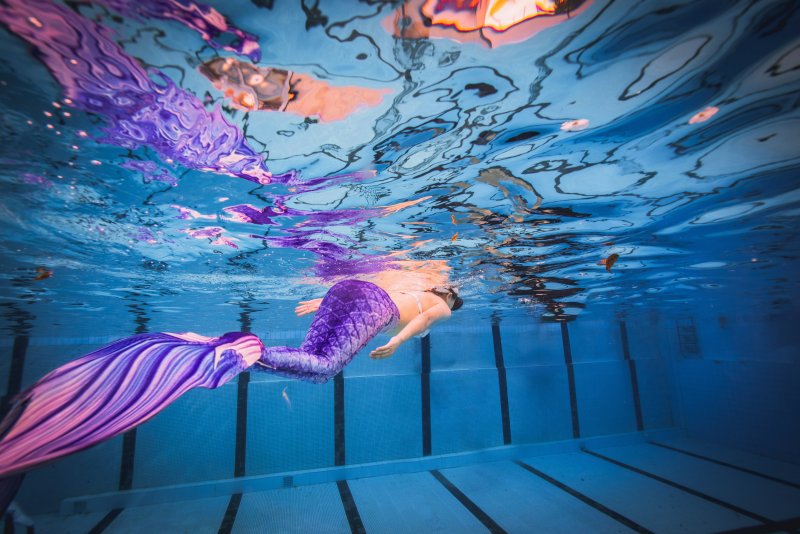
A colorful tail sweeps through the water with each kick, turning a familiar pool into the underwater adventure your child has imagined. But choosing mermaid tails for kids takes more than picking a favorite color. The tail should fit comfortably and be designed with safety in mind. Your child's swimming ability, confidence in the water, and monofin experience matter before choosing advanced equipment. With preparation and close supervision, mermaid swimming can help children move with greater control, feel more at home in the water, and develop a lasting love of the aquatic world.
When choosing mermaid tails for kids, fit comes before appearance. A loose tail can shift around the legs with each kick; a tight one can squeeze and restrict movement. Children grow quickly, but buying a larger tail to “grow into” can leave them swimming in equipment that does not fit.
The monofin's foot pockets should hold the feet securely without painful pressure points. The tail skin should sit comfortably around the legs and hips without squeezing. Try the equipment following the manufacturer's fitting instructions. An experienced mermaid professional can help your child get familiar with it before attempting more challenging swimming.
For more on sizing and monofin comfort, read SSI's mermaid tail guide.
The monofin is a key part of mermaid tails for kids. Unlike separate swim fins, it holds both feet together so the legs move as one in a flowing, dolphin-like kick. That can be great fun, but children need time to learn to control it.
For beginners, a lightweight design that is easy to put on and remove can help, especially if a child becomes tired or uncomfortable. SSI training also emphasizes getting comfortable with the equipment and removing the monofin in shallow water to make exiting easier.
Turning, reaching the surface, and getting to the pool edge feel different when both feet move together. Children need time to practice these movements in a suitable environment before progressing to deeper water.
For help choosing a suitable monofin, read SSI's guide to mermaid fins.
A shimmering tail can catch a parent's eye, but mermaid tails for kids do not automatically keep children safely afloat. Extra equipment can also make each kick feel harder.
Children need to know how to stay comfortable at the surface and end a swim when they become tired. Over deeper water, they should respond calmly and safely if they feel uncomfortable rather than push on for one more glide.
Structured instruction lets children feel how their equipment behaves as they move, building water skills step by step instead of simply putting on a tail and imitating a mermaid.
For more on body position and buoyancy control, read SSI's mermaid skills article.
Children's mermaid tails come in shimmering blues and purples, bright pinks and greens, and rainbow designs. A favorite color can make a child eager to learn, but construction and ease of use still come first.
For a first tail, look for durable materials, secure stitching, and a well-fitting monofin. Decorations and accessories can add weight or make each kick harder, so a simpler design can be a better starting point.
Think about where your child will use the tail, too. A design for supervised pool sessions may differ from one for experienced swimmers, so choose equipment for the skills your child has now.
For color and design inspiration, explore SSI's mermaid tail designs.
Your child may light up at the sight of a colorful tail, but choosing mermaid tails for kids starts with an honest look at their swimming ability. Mermaid swimming does not replace learning to swim, and children still building basic water skills should not be expected to manage a monofin independently.
SSI offers introductions matched to age and experience. From age 6, SSI Try Mermaid introduces monofin swimming in a pool or confined water, where children begin to feel how a flowing kick carries them forward. An SSI Mermaid Instructor directly supervises the experience. Participants must have appropriate swimming ability, and the session begins in water shallow enough to stand.
SSI Mermaid Explorer, part of SSI Explorers, provides younger children with another age-appropriate way to experience mermaid activities, including swimming with a monofin and tail. These programs introduce children to aquatic activities in a controlled environment, keeping learning enjoyable. Explore SSI Try Mermaid and SSI Explorers to find an introduction that suits your child.
Even the best mermaid tails for kids should only be used with appropriate supervision. Children should never practice alone in a pool, at the beach, or anywhere else.
Direct supervision matters especially during those first monofin sessions. With both feet connected, moving through the water and preparing to get out can feel different from ordinary swimming. A qualified SSI Mermaid Instructor can teach children how to use their equipment safely and recognize when they need to stop.
Parents should also watch for fatigue. Those flowing dolphin kicks keep the core and legs working, even when the tail seems to glide effortlessly. If a child becomes tired, cold, uncomfortable, or frustrated, end the session. Building confidence matters more than completing a skill.
Find travel inspiration in SSI's mermaid swimming spots for 2026.
A swimming pool or other controlled, confined-water environment is usually the best place for beginners. Clear water and an easy-to-reach edge let children see where they are going and focus on their movement without waves, currents, or changing visibility demanding attention.
Keep early sessions short and enjoyable, with simple movements at the surface as your child gets used to the tail. SSI guidance emphasizes feeling comfortable there before progressing to underwater dolphin kicks.
Once children have developed appropriate skills and experience, families can explore further training. The SSI Mermaid program is available from age 12 and includes structured confined-water training, with a maximum training depth of 5 meters (16 feet).
Regular care helps mermaid tails for kids last longer. Rinse the tail and monofin with fresh water after use, especially after swimming in chlorinated or salt water, then let everything dry thoroughly as the manufacturer recommends.
Before every session, check the monofin, foot pockets, seams, and tail material for cracks, loose stitching, sharp edges, or other damage. Have any problems properly addressed before your child uses the equipment again.
As children help rinse, dry, and store their tail, they learn to take responsibility for their equipment. Maintenance becomes part of the activity rather than an afterthought.
An elaborate tail and impressive underwater tricks matter less than enjoying the water together. Confidence and good habits grow gradually, one swim at a time.
The right mermaid tails for kids should support that experience. Choose equipment that fits properly, introduce the monofin gradually, and match the activity to your child's swimming ability and confidence. For mermaid tail safety, provide close supervision and use qualified instruction when learning new skills.
For families ready to take things further, an SSI Training Center can help find a program suited to your child's age and experience. With the right equipment, instruction, and attitude, mermaid swimming can become a fun shared activity that helps children feel comfortable, capable, and curious in the water.