What You Should Know Before Organizing Group Dive Trips
scuba diving
predrag-vuckovic
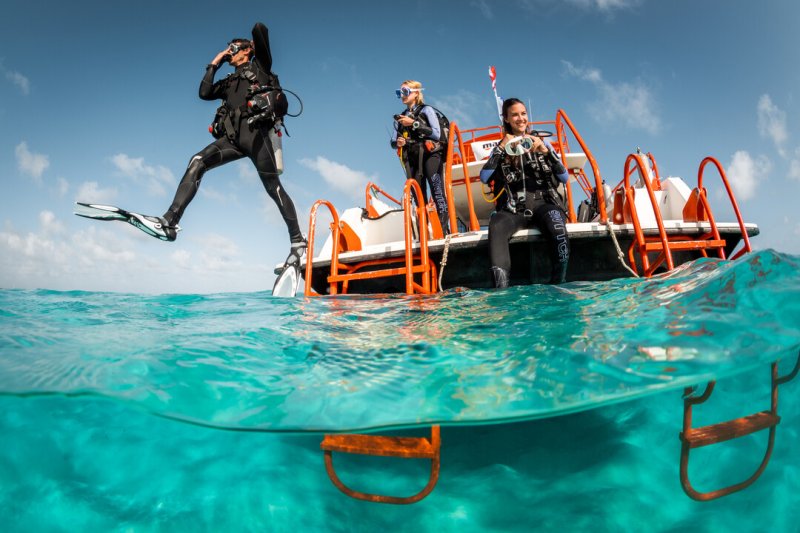
There's something special about sharing the underwater world with friends.
Whether it's a weekend getaway with your local dive buddies, an annual dive club adventure, or a bucket-list dive destination, group dive trips create memories that last a lifetime. From swapping stories after a night dive to spotting your first manta ray together, diving as a group adds a unique layer of camaraderie and excitement to every adventure.
But while the idea of group dive trips sounds simple, organizing them successfully requires more planning than many realize. With the right preparation, however, dive trip planning can be smooth, stress-free, and incredibly rewarding.
Here are some of the most important things to consider before organizing your next group dive adventure.
Table of Contents:
-
Assess Experience Levels Within Your Group
-
Choose the Right Destination for a Group Dive
-
Coordinate Certifications, Insurance, and Paperwork
-
Establish Clear Communication Before Departure
-
Plan Dive Buddies and Group Management
-
Financial Planning for Group Dive Trips
-
Build Flexibility Into the Schedule
-
Lead with Safety and Respect
-
Your Next Group Dive Adventure Starts Here
One of the first and most important steps in successful dive trip planning is understanding who's coming.
Not all divers have the same experience level, and that's perfectly okay. In fact, many group dive trips include a mix of newly certified divers, experienced recreational divers, and even dive professionals.
Before choosing a destination, take an honest look at your group's capabilities:
- What certification levels does everyone hold?
- How many dives has each person logged recently?
- Is everyone comfortable with currents, deeper dives, or boat diving?
- Are there divers who have been inactive for an extended period?
Even among divers with similar certifications, comfort levels can vary significantly. One diver may be perfectly comfortable in moderate currents, while another may feel overwhelmed in the same conditions.
Air consumption is another factor that often gets overlooked. A diver with 25 dives may consume air very differently than a diver with 250 dives, which can affect bottom times and group dynamics.
When choosing a destination, it's usually best to plan around the least experienced diver in the group. This doesn't mean sacrificing adventure—it simply means selecting a location where everyone can participate safely and enjoyably.
The key to successful planning is having honest conversations early. Understanding expectations and limitations before booking helps avoid disappointment later.
Choosing the destination is often the most exciting part of dive trip planning, but it's also where many logistical challenges begin.
While remote destinations may sound appealing, convenience often plays a bigger role than people realize, especially when traveling with a group.
Consider questions such as:
- Are there direct flights available?
- How long are the airport transfers?
- Is the accommodation close to the dive center?
- Will divers need to transport gear daily?
Destinations with house reefs can offer tremendous flexibility for groups. If some divers want to add an extra dive while others prefer to relax by the pool, a house reef lets everyone follow their own schedule without affecting the entire group.
You'll also want to consider the style of diving available. Some destinations focus heavily on shore diving, while others rely almost entirely on boat diving schedules. Neither option is better—it simply depends on your group's preferences.
For groups seeking an easy, immersive experience, liveaboard diving can be an excellent option. They eliminate daily transportation logistics and maximize time underwater while offering access to remote dive sites that land-based operators may not reach.
The best destination isn't necessarily the most exotic one. It's the one that aligns with your group's experience level, interests, and travel expectations.

predrag-vuckovic
Nothing slows down the start of a dive trip faster than missing documentation.
Before departure, confirm that each participant has the required certifications and paperwork ready to go.
This includes:
- Certification cards
- Dive accident insurance
- Liability waivers
- Valid Passport
Many dive operators now request certification verification before arrival, making digital records especially useful.
The MySSI App makes this process easy by storing certification cards digitally, allowing divers to access them anytime—even if physical cards are forgotten at home.
Dive accident insurance is another critical consideration. While nobody plans for emergencies, dive-specific insurance can provide valuable coverage for hyperbaric treatment, evacuations, and other dive-related incidents.
A shared cloud folder can be incredibly helpful for group organizers. Having everyone's documentation accessible in one place simplifies communication and ensures nothing falls through the cracks.
If there's one thing that can make or break a group trip, it's communication. Many travel frustrations stem not from the trip itself, but from mismatched expectations.
Before anyone boards a plane, make sure the group understands:
- The full itinerary
- Flight information
- Dive schedules
- Accommodation details
- Packing recommendations
- Emergency contact information
- Budget expectations
Group messaging apps can be useful for keeping everyone informed and answering questions as the departure date approaches. It's also important to discuss expectations around activities outside of diving. Will the group dine together every night? Are excursions mandatory or optional? Will there be free time?
Clear communication creates clarity—and clarity prevents conflict.
The more information people have in advance, the more relaxed and enjoyable the trip becomes.
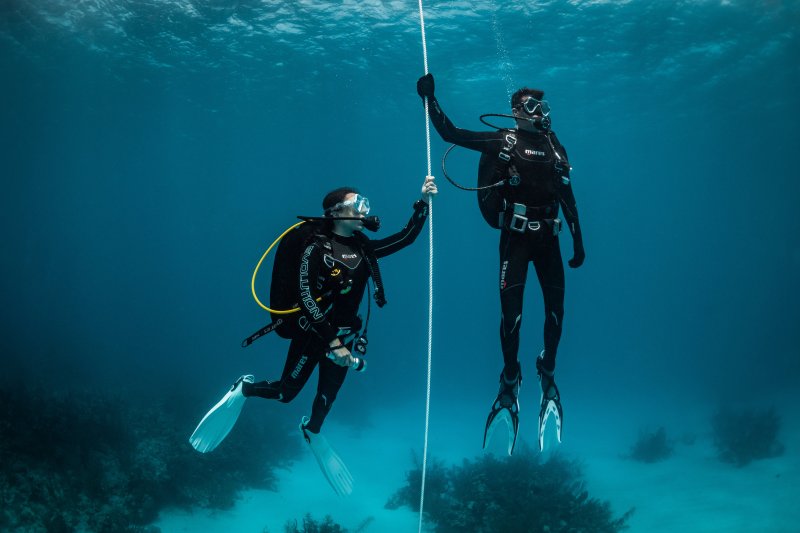
Once you're on location, managing dive operations becomes a priority. One common mistake is assuming that everyone should dive together simply because they're traveling together. In reality, breaking a larger group into smaller teams often creates a much better experience.
Consider organizing divers based on:
- Certification level
- Experience
- Air consumption
- Interests
- Photography needs
For example, underwater photographers may prefer slower-paced dives focused on macro subjects, while newer divers may benefit from a more structured pace. Buddy and group assignments should be discussed before diving begins, and dive plans should be clearly communicated.
Important topics include:
- Maximum depths
- Turn pressures
- Dive duration
- Navigation plans
- Emergency procedures
Working closely with the dive center staff can help structure dives appropriately and ensure that everyone gets the most from their experience. Good group management isn't about control; it's about creating an environment where every diver feels comfortable and supported.
predrag-vuckovic
Money conversations aren't always exciting, but they are essential. One of the quickest ways to create tension within a group is unclear financial expectations.
Before booking, make sure everyone understands and agrees to:
- Deposit requirements
- Payment deadlines
- Cancellation policies
- Refund procedures
- Marine park fees
- Rental equipment costs
- Boat fees
- Nitrox fees
- Tips and gratuities
Some destinations also include additional tourism taxes or environmental fees that may not be included in initial pricing. Providing a cost breakdown upfront helps participants budget accurately and reduces surprises later.
A well-informed group is generally a happier group.
It can be tempting to pack every day with activities, especially when visiting a dream destination; however, one of the most valuable things you can build into a group dive trip is flexibility. Weather changes, boats break down, people get tired, and sometimes, the best moments happen when there's room for spontaneity.
Consider including:
- Rest days
- Flexible dive schedules
- Optional excursions
- Relaxation time
- Activities for non-divers
Not everyone travels at the same pace. Some divers want to dive as much as possible while others may be perfectly content with two morning dives and an afternoon on the beach. Building flexibility into the itinerary helps accommodate different personalities and energy levels while reducing stress.
Remember: the goal isn't to cram as much as possible into the trip – it's to build a trip that everyone can enjoy.
As the organizer, you're setting the tone for the entire experience. That means leading by example in both safety and environmental responsibility.
Encourage divers to:
- Conduct proper buddy checks
- Stay within certification limits
- Maintain good buoyancy control
- Respect marine life
- Follow local environmental guidelines
SSI offers a variety of ecology specialty programs that help divers better understand the ecosystems they explore. The more divers understand the ocean, the better equipped they are to protect it.
Supporting newer divers is equally important. For some participants, this may be their first major dive travel experience. A little encouragement, patience, and mentorship can make a tremendous difference in their confidence and enjoyment.
After dives, take time to debrief as a group. Share sightings, discuss highlights, and celebrate successes. These engaging conversations often become some of the most memorable parts of the trip.
Few experiences bring divers together like a well-planned dive trip. The friendships formed, the wildlife encounters shared, and the adventures experienced underwater create memories that last a lifetime. While organizing dive trips comes with responsibility, it is also incredibly rewarding to create unique experiences for others.
Ready to Start Planning?
Whether you're organizing dive travel with friends or coordinating diving club trips, SSI is here to help! Use the SSI Center Locator to connect with SSI Training Centers worldwide, or explore world-class dive destinations and experiences through Scubago.
What are you waiting for? Get planning today!