Biggest Animals in the Sea: Top 10 Bucket List Marine Life Experiences for Divers
travelecology
mcqueeney
Some of these experiences happen on scuba, while others are best suited to snorkeling, freediving, or joining regulated surface-based wildlife trips.
Table of Contents:
Sharing the water with some of the ocean's largest animals is a special experience. From a whale shark moving slowly near the surface to a giant manta ray passing over a cleaning station, seeing these animals in the wild gives divers a rare look at marine life on a much larger scale.
Together, these marine giants show how varied large marine animals can be, from filter-feeding sharks to deep-diving whales and graceful rays.
For many divers, seeing these animals in their natural habitat becomes one of the moments they remember long after the trip.
In this guide, we look at the biggest animals in the sea that divers, snorkelers, and freedivers can see in the wild. No aquariums, no artificial shows; just real ocean experiences. You will learn where to find them, when to go, what experience level you need, and how to keep each interaction safe and respectful.
istock-extreme-photographer
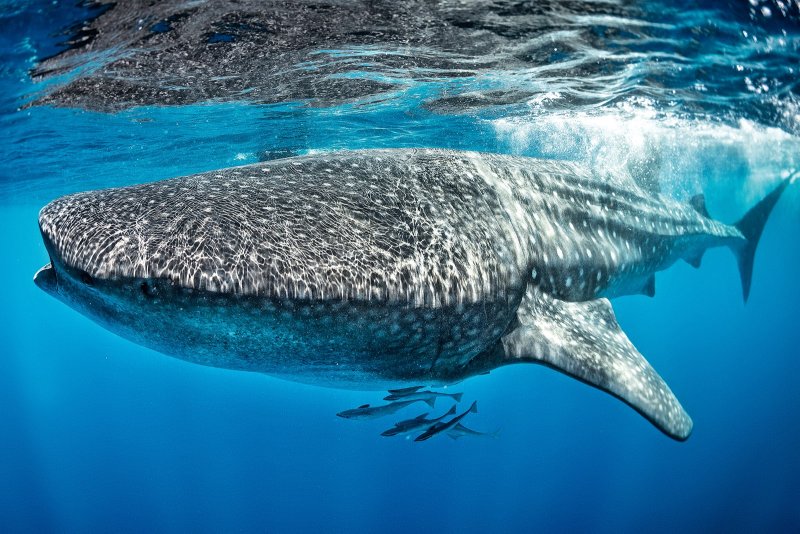
The whale shark is the largest fish in the sea, with many adults reaching around 10 to 12 meters (33 to 39 feet). Rare individuals can grow larger. Despite their size, whale sharks are filter feeders that often move slowly near the surface, which makes many sightings better suited to snorkeling than scuba diving.
Good places to see them include Isla Holbox and Isla Mujeres in Mexico, Donsol Bay in the Philippines, and Ningaloo Reef in Australia. The best season depends on the region: May to September in Mexico, March to June in the Philippines, and March to July in Western Australia. When you see one of the biggest animals in the sea, keep your distance, never touch or block its path, and move calmly.
Planning a whale shark trip to Mexico? Scubago's Yucatán information helps you compare seasonal timing and destination options before choosing where to go.
scubapro
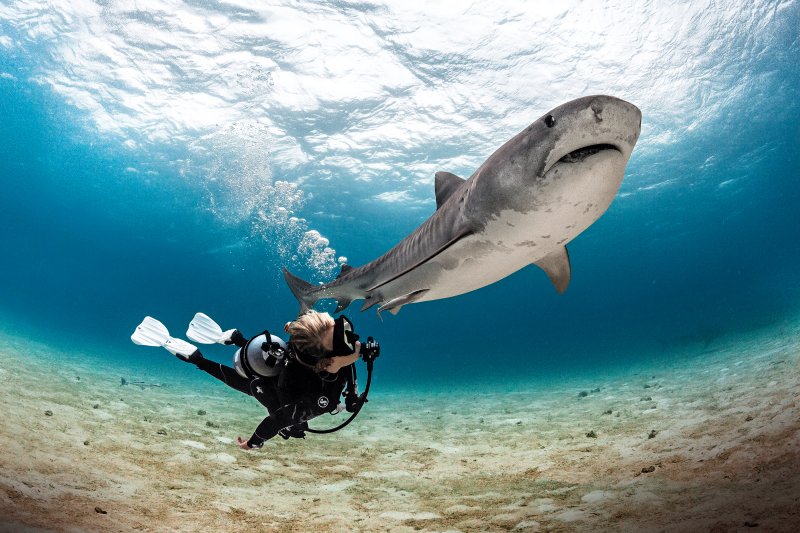
Tiger sharks are among the ocean's most impressive predators, averaging 3 to 5 meters (10 to 16 feet) and sometimes reaching about 5.5 meters (18 feet). Tiger Beach in the Bahamas is one of the best-known locations for clear, shallow-water shark dives, while Aliwal Shoal in South Africa can also offer seasonal sightings.
The best time to dive with tiger sharks is often October to January in the Bahamas and April to July in South Africa. These dives usually suit Advanced Open Water divers who can stay calm around large animals. Follow your dive guide's instructions closely, keep a steady position, avoid flashy gear, and never try to touch or feed a shark.
As one of the top 10 biggest animals in the sea, tiger sharks demand focus and respect.
istock-michael-zeigler
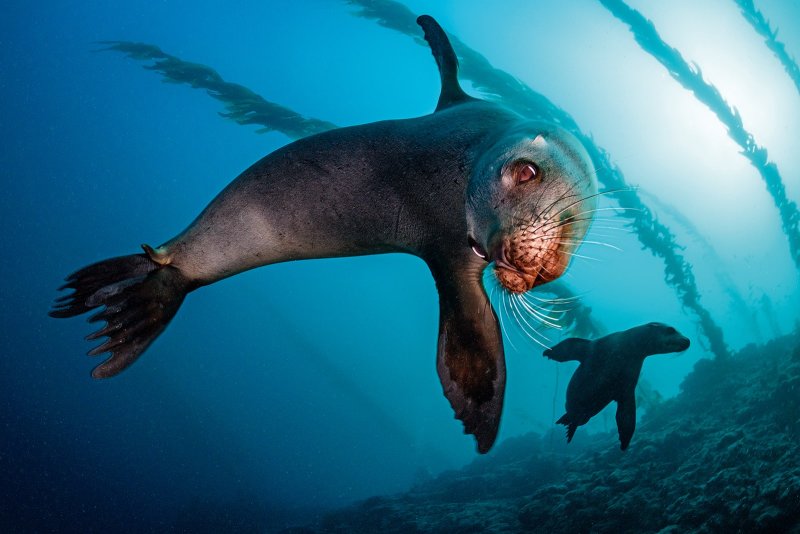
Sea lions may not be the largest animals on this list, but large males can reach about 3 meters (10 feet), and their curiosity makes them one of the most memorable marine life experiences for divers. They are known for speed and playfulness, often engaging divers in what feels like an underwater dance.
Los Islotes near La Paz, Mexico, and the Galápagos Islands are among the best-known places for sea lion encounters. Mexico is often best from October to May, while the Galápagos can offer sightings year-round. Open Water certification is usually enough, but strong buoyancy control helps keep the interaction smooth. Let sea lions come to you, avoid chasing or reaching out, and give dominant males plenty of space during mating season.
If the Galápagos is on your list, Scubago's Galápagos Islands information helps you compare when to go, what conditions to expect, and how sea lion encounters fit into a wider dive trip.
Alamy-imageBROKER
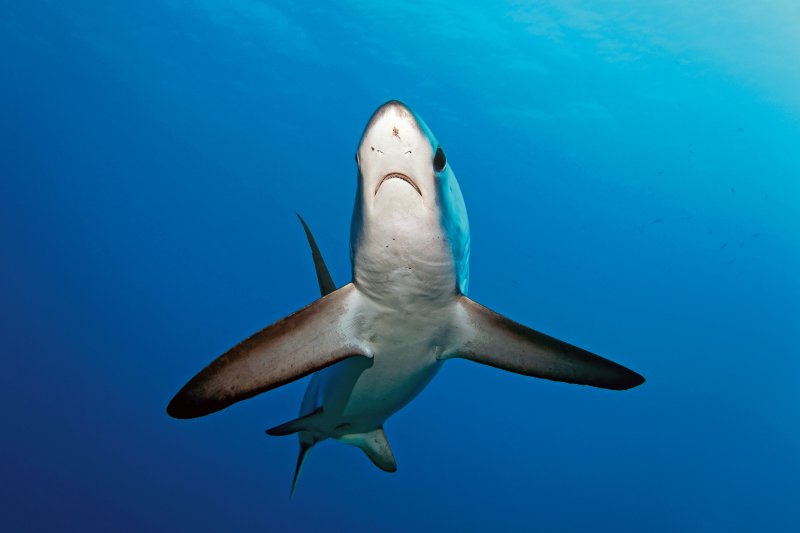
Thresher sharks earn their place here because they are one of the few large pelagic sharks divers can reliably see on scuba. Their long tail can make them look much larger underwater, and their calm, ghostlike appearance is a major draw for experienced divers.
Malapascua in the Philippines is the classic destination, with Monad Shoal and Kimud Shoal known for early-morning thresher shark dives and cleaning-station sightings. These dives can involve depth, current, and low light, so Advanced Open Water certification and good buoyancy are recommended. Stay still, keep bubbles and movement controlled, and let the sharks pass naturally.
If thresher shark diving is on your list, Scubago's Kimud Shoal dive-site information helps you check the location, conditions, and local dive options before you go.
Alamy-BIOSPHOTO
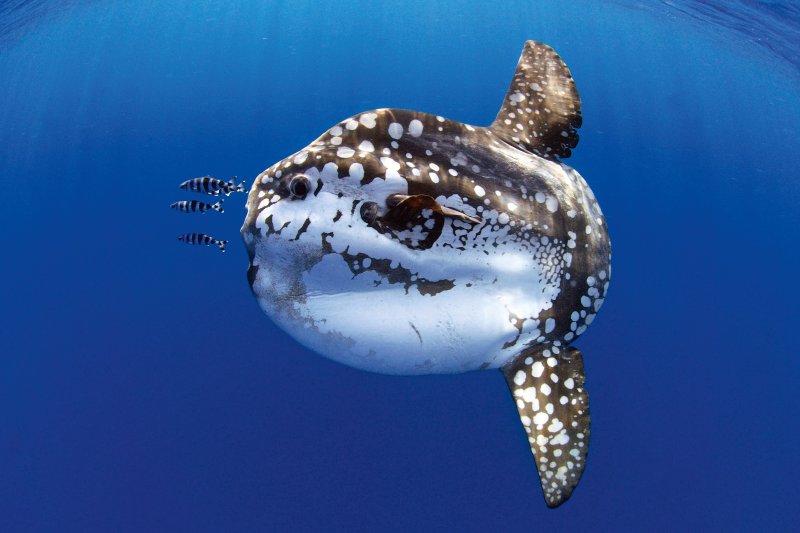
The ocean sunfish, or Mola mola, is one of the most unusual ocean animals divers can see. It often averages around 1.8 meters (6 feet), can reach about 3 meters (10 feet), and has a tall fin profile that makes it look even larger in the water.
Nusa Penida in Bali is one of the best-known places for Mola mola sightings, where they rise from the deep to visit cleaning stations at depths around 30 meters (100 feet). Sightings are most common from July to October. These dives can be deep and affected by strong currents, so they are best for advanced divers who can move slowly and maintain space. Sunfish are shy; if you rush in, they usually disappear.
Their unique size and shape make them one of the more unusual members of the top 10 biggest animals in the sea.
For travel planning, Scubago's Nusa Penida dive options help you compare local dive centers near one of Bali's best-known Mola mola areas.
SSI's Mola mola diving guide gives you more background on these fascinating deep-water visitors.
Alamy-Nature Picture Library
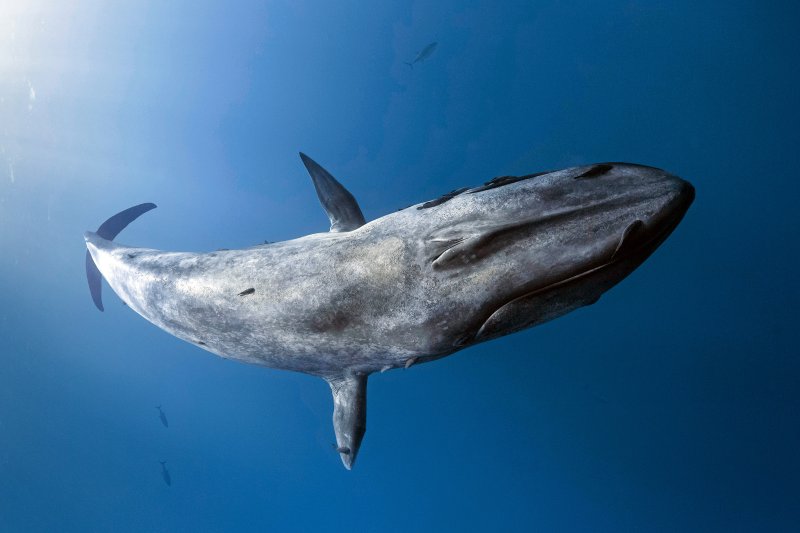
As the largest animal ever known to have lived on Earth, the blue whale easily belongs on any list of the biggest animals in the sea. Adults often reach 24 to 30 meters (79 to 98 feet), and exceptional individuals can reach up to about 33 meters (110 feet).
Diving with blue whales is not common and is often not permitted. Ethical sightings are usually boat-based or carefully managed snorkeling experiences in a few regions, depending on local rules. The southern coast of Sri Lanka, Baja California in Mexico, and occasionally the Azores are often discussed for blue whale sightings, but regulations and conditions change.
The peak season to watch these giants is from February to April in Sri Lanka and January to March in Baja. No diving certification is necessary for snorkeling trips, but swimmers must be confident in open-ocean conditions. A minimum distance of 30 meters (100 feet) should be observed at all times.
The best approach is passive and respectful: do not chase, approach from behind, or interrupt the whale's path. For divers interested in whales as marine mammals, the SSI Marine Mammal Ecology Specialty adds useful context without encouraging unsafe in-water behavior.
Alamy-Christian Zappel
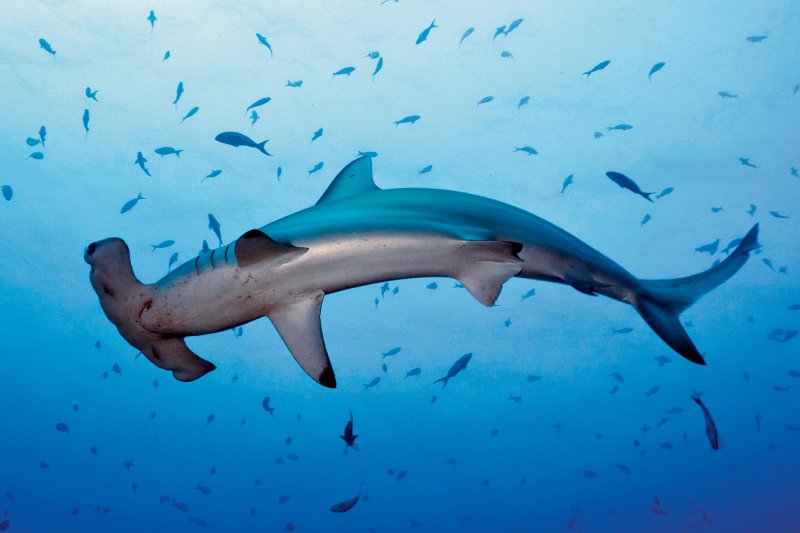
With their wide, T-shaped heads and strong presence, great hammerheads are among the most recognizable sharks in the sea. They typically measure around 3 to 4 meters (10 to 13 feet), but some individuals grow beyond 6 meters (20 feet).
Bimini in the Bahamas is one of the premier places to dive with great hammerheads, especially from December to April. These dives are best for Advanced Open Water divers who are comfortable near large predators. Hammerheads are curious yet cautious, and divers must follow strict positioning and behavior protocols. Stay where your guide places you, keep movements calm and slow, and stay aware of your surroundings.
For divers who want more confidence before shark diving, the SSI Shark Ecology Specialty helps explain shark behavior and why calm, respectful diving matters.
istock-divepic
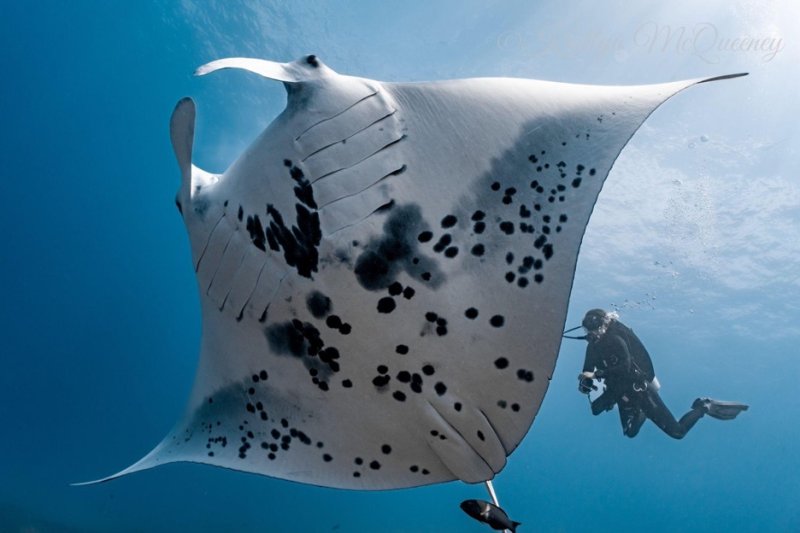
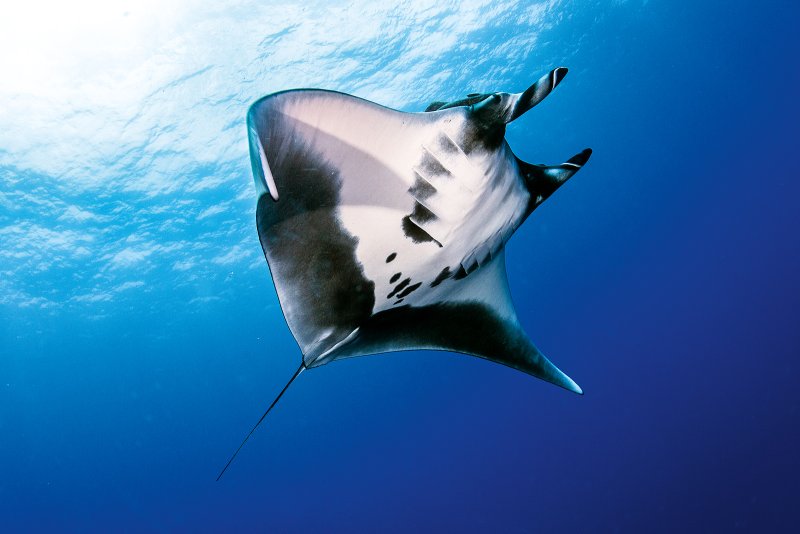
The giant oceanic manta ray moves through the water with slow, effortless wingbeats. Its average wingspan is often around 4 to 5 meters (13 to 16 feet), while large individuals can exceed 7 meters (23 feet). Mantas often use cleaning stations, which gives divers a chance to observe them without chasing.
Socorro Island in Mexico, Mozambique, and Ecuador's Pacific coast are among the most reliable areas to see them. Encounters are often best from November to May in Socorro and October to March in Mozambique. Advanced Open Water certification is recommended for remote or deep dive sites. Stay low in the water, avoid blocking their flight path, and move gently.
If manta ray diving is on your list, Socorro is one of the most recognized destinations for big-animal diving in Mexico. Scubago's Socorro Islands information helps you compare timing and liveaboard-style dive options before you go.
To better understand manta behavior before a cleaning-station dive, the SSI Manta & Ray Ecology Specialty is a helpful next step.
alamy-national-geographic-creative
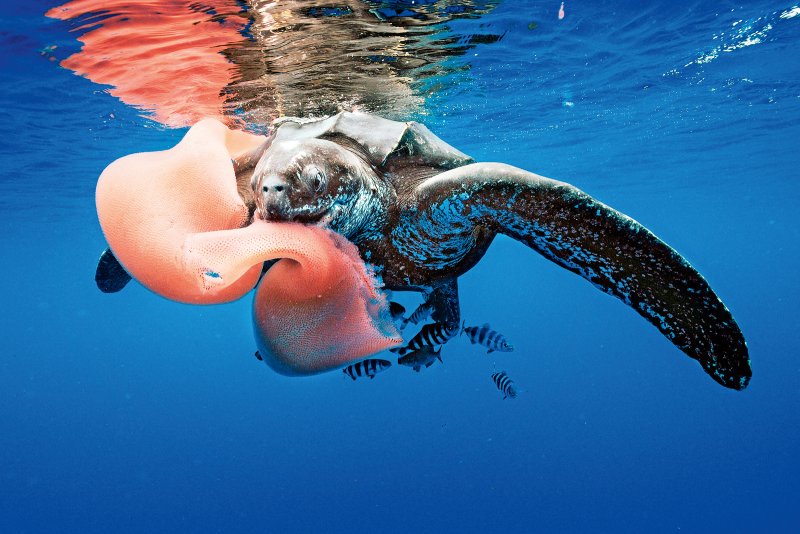
The leatherback turtle is the largest sea turtle. Adults commonly reach around 1.5 to 1.8 meters (5 to 6 feet) in length and can weigh between about 250 and 900 kilograms (550 to 2,000 pounds). That size makes every sighting feel significant, but leatherbacks remain rare and should never be promised as a guaranteed dive experience.
Lucky divers or snorkelers may see leatherbacks off Costa Rica's Pacific coast, South Africa, or Trinidad, especially around nesting seasons. Sightings vary by region, with March to June often mentioned for Costa Rica and November to February for Trinidad. Open Water certification is generally enough, but the main skill is restraint: stay passive, never interfere with a turtle's path, and be especially careful near nesting areas.
The SSI Sea Turtle Ecology Specialty helps divers identify turtles and understand their role in marine ecosystems before a turtle-focused dive trip.
Alamy-WaterFrame
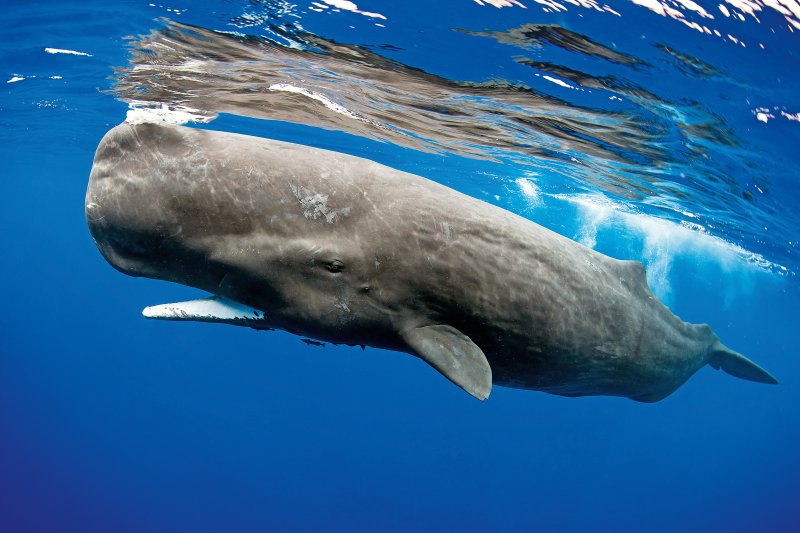
The sperm whale rounds out this list of the biggest animals in the sea. Adults often measure around 11 to 16 meters (36 to 52 feet), with males usually larger than females. Known for their intelligence and deep-diving behavior, sperm whales are not a standard scuba-diving encounter.
In-water experiences are usually freediving or snorkeling trips in places with strict permits and guidelines. Dominica is one of the best-known locations. November to March is often a strong period for sightings, although every trip depends on permits, conditions, and the whales. Participants should be confident in open water, follow the operator's rules, and let the whales control the interaction. A respectful sperm whale experience is about patience, not pursuit.
Diving, swimming, or snorkeling with the biggest animals in the sea is a privilege. Each of these impressive ocean animals plays an important role in its ecosystem.
Choose ethical operators, follow local rules, and keep every interaction calm. Do not touch, chase, feed, block, or crowd marine life. The best experiences happen when ocean animals behave naturally and divers respect the limits of the environment.
If one of these biggest animals in the sea is on your list, prepare before you travel. Check the season, the required experience level, local regulations, and the operator's wildlife guidelines. The right training and the right guide can turn a big-animal dive into a safer, more meaningful experience.
Use the SSI Center Locator to connect with an SSI Professional who can help you choose training, plan responsibly, and find a dive experience that matches your skills.