Whitsunday Islands: Great Barrier Reef Scuba Diving from a White-Sand Paradise
scuba diving
istock-4fr
Table of Contents:
-
Diving the Whitsunday Islands: Location and Underwater Landscape
-
Hardy Reef and the Outer Great Barrier Reef
-
The SS Yongala: Australia's Legendary Wreck Dive
-
Marine Life Encounters in the Whitsunday Islands
-
Dive Conditions: Visibility, Temperature, and Currents
-
Best Times of Year for Whitsunday Islands Diving
-
Topside Attractions Between Dives
-
Experience Levels and Who the Whitsundays Suit
-
Helpful SSI Courses for Whitsunday Islands Diving
-
Ready to Explore the Whitsunday Islands?
-
Dive Deeper
If you picture powder-white beaches melting into turquoise water, chances are you are already imagining Australia's Whitsunday Islands. What many travelers do not realize is that Whitsunday Islands diving offers just as much magic below the surface as it does above. Sitting on the doorstep of the Great Barrier Reef, this tropical island group delivers colorful coral gardens, clear warm water, and an incredible mix of marine life. From relaxed reef dives to iconic Australian wrecks and outer reef adventures, the Whitsundays suit both first-time visitors and seasoned divers looking for color, comfort, and variety.
The Whitsunday Islands are located off the central Queensland coast, between Airlie Beach and the outer edges of the Great Barrier Reef. This positioning is what makes Whitsunday Islands scuba diving so appealing. Divers can explore sheltered inner reefs close to the islands and more exposed outer reef systems where coral diversity and fish life are especially rich.
Underwater, the scenery shifts constantly. Shallow fringing reefs feature soft corals, bommies, and sandy channels, while deeper sites open up into walls and coral plate formations. Visibility is often better the farther offshore you travel, and outer Great Barrier Reef diving regularly delivers clarity that showcases the full color spectrum of the reef. The white sand that defines the Whitsundays above water also reflects sunlight underwater and gives many sites a bright, glowing feel.
Looking for Whitsunday Islands diving options near the Great Barrier Reef? Explore the Whitsundays on Scubago.
Hardy Reef is one of the most well-known dive areas in the region and a cornerstone of Whitsunday Islands diving. Divers usually reach this outer Great Barrier Reef site via liveaboard trips or longer day excursions. The reward is healthier coral coverage, strong reef structure, and a better chance of seeing larger marine life.
Here, divers can expect sprawling hard coral gardens mixed with colorful soft corals and sponges. Giant clams sit nestled between coral heads, while reef sharks patrol the edges of drop-offs. Currents are generally mild to moderate, which helps bring nutrients and fish life into the area without making dives overly demanding. For many visitors, Hardy Reef delivers that classic Great Barrier Reef scuba diving experience.
While technically located near Townsville, approximately 150 kilometers south of the Whitsundays (about 93 miles), the SS Yongala is often included in extended Whitsunday Islands diving itineraries because of its global reputation. After sinking in 1911, this historic passenger ship now rests on its starboard side on the sandy seabed and is widely regarded as one of the world's most iconic wreck dives.
The SS Yongala wreck dive reaches depths between approximately 14 and 28 meters (46 to 92 feet) and is now covered in marine life. Massive groupers, giant trevally, sea snakes, rays, turtles, and seasonal manta rays all call the wreck home. Visibility can vary, but the density of marine life more than compensates. Due to the depth and potential currents, this dive is best suited to confident, certified divers with good buoyancy control.
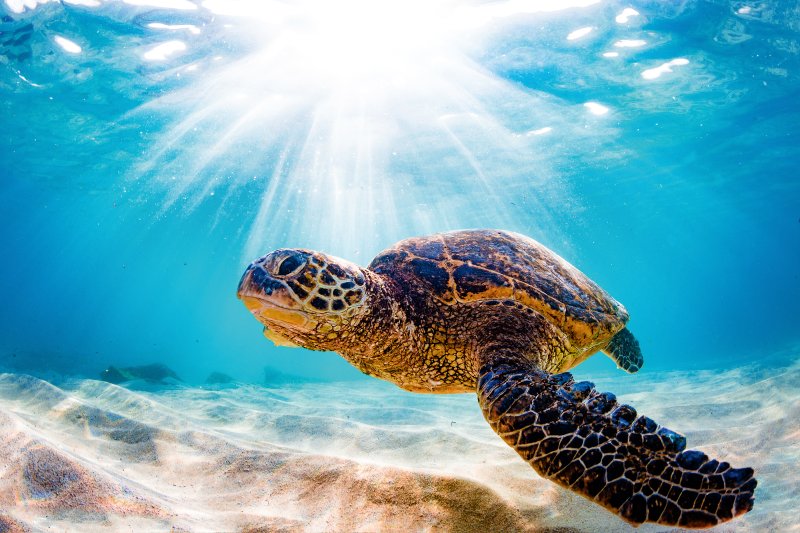
One of the biggest highlights of Whitsunday Islands diving is the diversity of marine life you can encounter throughout the year. Green and hawksbill turtles are common across many sites, often seen resting on coral ledges or swimming calmly past divers. Reef sharks, including whitetip and blacktip species, are frequently spotted cruising reef edges.
Manta rays often appear during the cooler months, especially around cleaning stations on the outer reef. Schools of tropical fish bring constant movement to the reefs, from angelfish and butterflyfish to larger species such as barracuda and sweetlips. During certain times of the year, you may even hear migrating humpback whales singing underwater, adding a uniquely Australian soundtrack to your dives.
Want to learn more about the marine life you may encounter while diving the Whitsunday Islands? Explore Scubago's wildlife guides to manta rays and humpback whales.
iStock-ShaneMyersPhoto
Dive conditions play a major role in planning Whitsunday Islands scuba diving, and many divers find the region relatively forgiving. Water temperatures typically range from 24°C to 29°C (75°F to 84°F) depending on the season. Most divers are comfortable in a 3 to 5 millimeter wetsuit, with thicker options preferred during the cooler winter months.
Visibility generally averages between 10 and 25 meters (33 to 82 feet) and often improves significantly on outer Great Barrier Reef diving sites. Sheltered island reefs usually have mild currents, although exposed sites like the Yongala or certain outer reef areas may experience stronger flow. These conditions make the Whitsundays accessible while still offering enough variety to keep experienced divers engaged.
If you are planning a longer dive trip, liveaboard, or international travel, SSI's trusted insurance partner DiveAssure can help you review dive and travel coverage before you go.
You can enjoy Whitsunday Islands diving year-round. The most popular period runs from May to October, when air temperatures are mild, humidity is lower, and underwater visibility is often at its best. This is also a strong season for manta ray encounters and whale migration.
The warmer months from November to April bring higher water temperatures and, during seasonal spawning windows, the chance to see coral spawning. This period also overlaps with the season when jellyfish and other marine stingers may be present. Local dive centers provide protective suits when needed so divers can stay comfortable and well protected in the water. Choosing the right season depends on what matters most to you: cooler conditions and larger marine life, or warmer water and quieter travel periods.
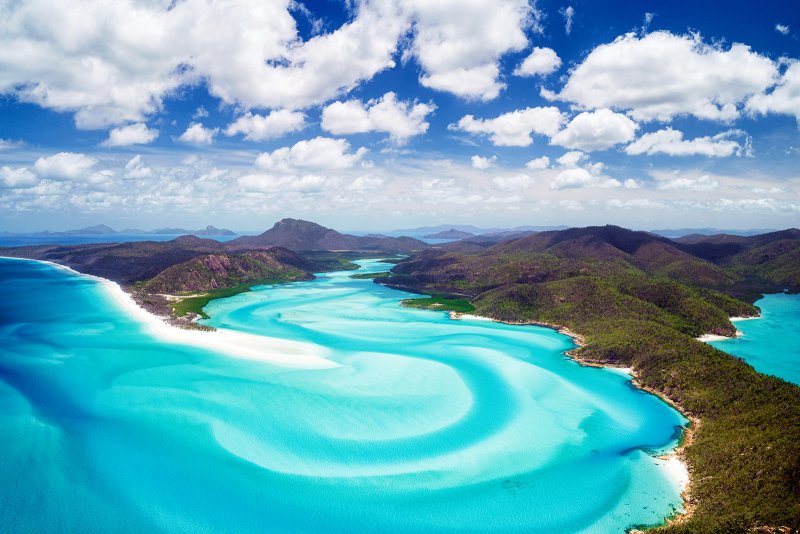
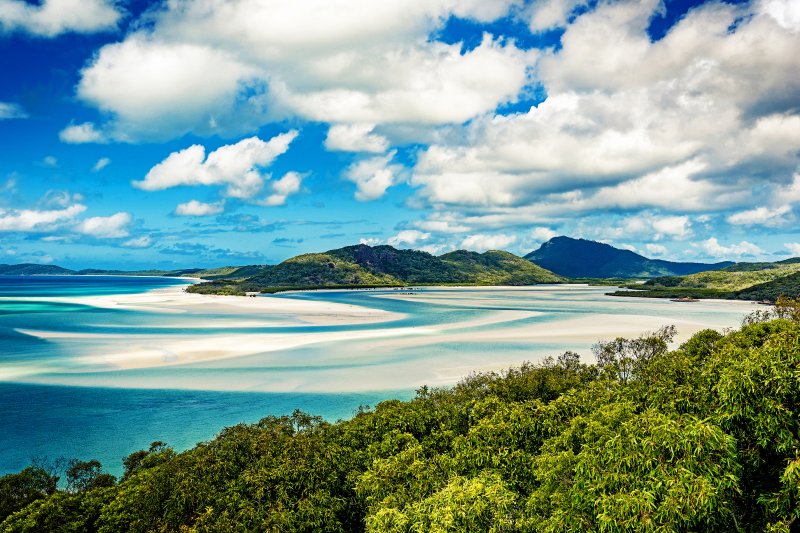
A big part of what makes Whitsunday Islands scuba diving so memorable is what you can enjoy between dives. Whitehaven Beach, famous for its pure silica sand and swirling Hill Inlet patterns, is a must-see. Many dive trips combine underwater exploration with island stops, snorkel sessions, and beach time.
Airlie Beach serves as the main gateway to the Whitsundays and many Airlie Beach diving trips. The town offers restaurants, coastal walks, and sunset viewpoints. Sailing trips through the islands are also popular and pair beautifully with diving, allowing you to experience the Whitsundays from every angle.
Shutterstock_autau
Whitsunday Islands scuba diving caters to a wide range of experience levels. Beginners can enjoy calm, shallow reef dives with gentle conditions and excellent supervision, while more advanced divers can explore deeper sites, wrecks, and outer reef locations. Good buoyancy and situational awareness are always important, especially around coral-dense areas and wreck environments.
Divers who enjoy photography, marine life observation, and relaxed reef exploration will feel especially at home here. Those looking for challenging drift dives or extreme depth may find fewer options, but the overall quality and diversity of sites more than compensate.
For divers who want to get the most from Whitsunday Islands diving, continuing education through SSI can help build comfort, control, and confidence. The SSI Perfect Buoyancy program is a great way to help protect delicate coral while improving air consumption and overall comfort. The SSI Wreck Diving specialty is a good choice for those planning to explore sites like the SS Yongala safely and confidently.
The SSI Advanced Open Water Diver Program is also useful for divers who want to try different specialty areas and gain more experience under professional guidance.
If you are newer to diving or returning after a break, the SSI Scuba Skills Update helps refresh techniques before heading into more complex dive environments. To find qualified instructors and local expertise, the SSI Center Locator is a useful resource when planning your trip.
Whether you combine your dives with sailing, beach days, or reef overnights, the Whitsundays deliver a balanced and unforgettable dive experience above and below the surface.
Start with the dive experience that fits your level, check local conditions with an SSI Professional, and choose training that helps you protect the reef with more confidence.