Freediving for Kids: Is It Safe and How to Get Started
freedivingfamily
predrag-vuckovic
Freediving is a fascinating way to experience the underwater world, and many parents wonder if it is safe for children. Unlike scuba diving, freediving relies on natural breath-holding rather than equipment, making it an accessible and exciting water activity.
But how young is too young to begin? And what precautions should be taken to ensure a safe and fun experience?
With the right instruction and supervision, freediving for kids can be both safe and deeply rewarding. It builds confidence, boosts swimming skills, and helps foster a lifelong love for the ocean. This guide looks at the safety essentials, key benefits, and how to introduce children to freediving in a way that is enjoyable and age-appropriate.
Yes—when done in the right environment and with trained supervision. Children often have a natural ability to hold their breath and adapt well to underwater activities. That said, safety is always the top priority. Freediving for kids should only take place in controlled settings with guidance from certified freediving instructors.
- Qualified Supervision – Always ensure children are supervised by a trained freediving instructor or experienced adult.
- Slow and Gentle Progression – Start in calm, shallow water and let children build confidence at their own pace.
- Focus on Relaxation, Not Limits – Freediving for kids should emphasize comfort, awareness, and enjoyment—not pushing boundaries.
- The Buddy System – Kids should be taught early on that they should never dive alone.
- Clear Safety Habits – Learning to surface before discomfort and listening to their body are essential early lessons.
Ready to dive in? Check out: Diving for Kids: Top Family-Friendly Dive Courses
Freediving offers more than just fun in the water. It provides long-term developmental and emotional benefits for children:
- Builds Water Confidence and Safety – Kids become more relaxed and capable swimmers while learning important water safety skills.
- Teaches Focus and Patience – Breath-holding and calm underwater movement nurture self-control and mindfulness.
- Fosters Ocean Respect – Observing marine life up close encourages curiosity and a lasting appreciation for the environment.
- Supports Personal Growth – Overcoming the initial challenge of breath-holding boosts self-esteem and resilience.
1. Choose a Safe, Calm Environment
Introduce kids to freediving in a pool or calm, shallow sea area. This reduces distractions and helps children feel secure while learning.
2. Keep the Focus on Fun and Comfort
Freediving for kids is not about how deep they go—it is about exploring at their own pace and enjoying the water. Avoid any sense of pressure.
3. Use Child-Friendly Equipment
The right gear helps keep kids safe and engaged:
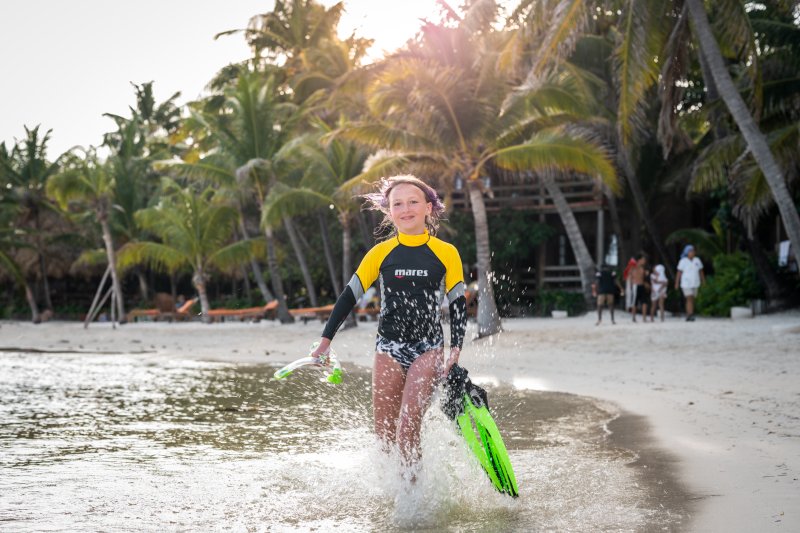
- A well-fitting mask and snorkel – Help them see clearly and breathe comfortably at the surface.
- Short, soft fins – Provide gentle propulsion without straining small legs.
- A wetsuit or rash guard – Helps with buoyancy and keeps kids warm in cooler water.
4. Try a Structured Program Like SSI Explorers
Programs such as the SSI Explorers Program introduce freediving for kids in a safe, supportive, and playful environment. Designed for young learners, these programs help kids develop breath-hold skills and underwater comfort under the guidance of certified professionals.
Want to encourage safe underwater habits? Do not miss: Junior Divers: How to Get Your Kids Ready for Scuba Diving
1. What is the best age for kids to start freediving?
Children as young as six can begin freediving for kids programs like SSI Explorers, depending on their water confidence and maturity.
2. Does my child need to be a strong swimmer to try freediving?
No—but they should feel comfortable in the water. Basic swimming skills help, but confidence and calmness are more important.
3. Is freediving dangerous for children?
Not when it is introduced properly. With trained supervision, freediving for kids is a safe and structured way to develop underwater awareness.
4. How can I support my child's interest in freediving?
Start by making water time fun—use snorkels and fins in shallow areas and encourage play. Enroll them in a kid-friendly freediving course when they are ready.
5. Can kids eventually freedive in open water?
Yes, once they have gained experience. Children can transition from pools to calm open-water settings under trained adult supervision.
Freediving, when introduced carefully, can be a transformative experience. It nurtures water confidence, encourages environmental awareness, and teaches children how to move through the ocean calmly and safely.
Whether your child is curious about the underwater world or already loves swimming, freediving can help them build valuable life skills in a fun, supportive way.
The SSI Explorers Program is the perfect way to introduce young adventurers to freediving in a safe, structured, and enjoyable environment.
Find an SSI Training Center Near You