Types of Ocean Pollution: Hidden Threats Beyond Plastic
ecology
iStock-lindsay_imagery
Table of Contents:
-
Types of Ocean Pollution: Ghost Fishing Gear
-
Agricultural Runoff
-
Sewage and Wastewater
-
Types of Ocean Pollution from Chemicals and Industry
-
Ocean Noise Pollution
-
Microfiber Pollution You Cannot See
-
Reducing Different Types of Ocean Pollution Starts on Land
-
Become a More Responsible Diver
-
Take Action Against Different Types of Ocean Pollution
-
Dive Deeper
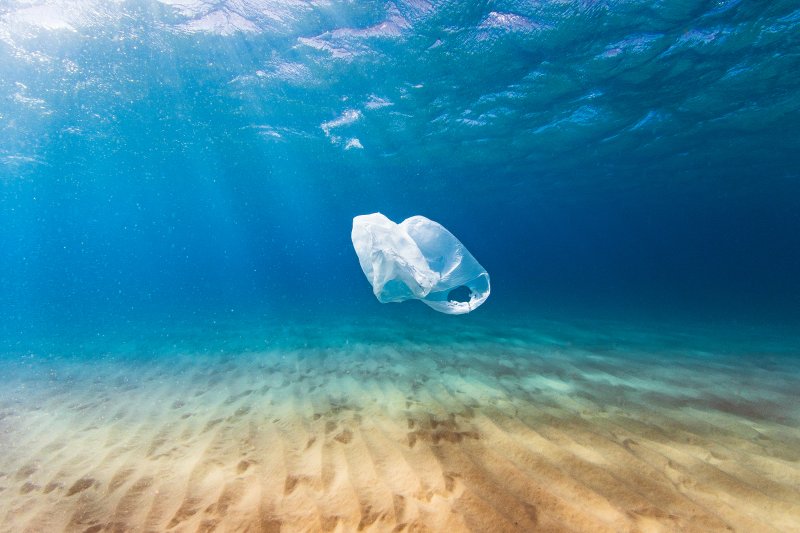
A piece of plastic drifts past you above a healthy coral reef, a visible warning of the pollution threatening marine life. Other pollutants enter the ocean unseen through rivers, wastewater, air, and everyday activities. Understanding the types of ocean pollution affecting reefs, seagrass meadows, and marine animals helps you make more informed conservation choices. From abandoned fishing gear to agricultural nutrients, noise pollution traveling through the water, and tiny synthetic fibers, these less obvious threats can alter entire ecosystems. New solutions are taking shape, and your everyday choices can help support responsible ocean conservation.
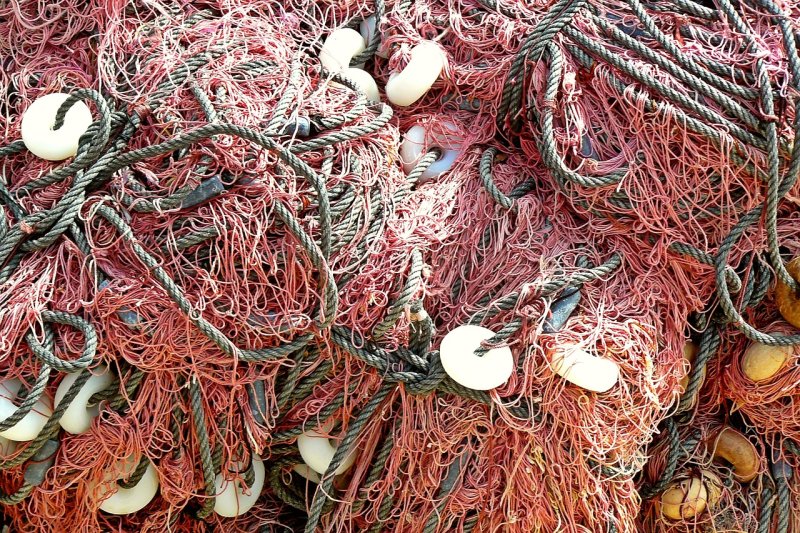
Lost or abandoned fishing nets, lines, traps, and pots can keep catching animals long after anyone last used them. This is known as ghost fishing. Turtles, fish, sharks, seals, and other animals can become trapped in nets or tangled in lines, and heavy gear can drag across or smother sensitive habitat.
pixabay
NOAA describes derelict fishing gear as a persistent marine debris problem and supports programs that help fishermen dispose of unwanted gear instead of abandoning it. Prevention is especially valuable because synthetic nets and lines can lie across the seabed for long periods. Do not attempt to remove complicated tangles of gear alone. Report substantial entanglement hazards to local authorities or trained cleanup teams.
Want to help protect the reefs you love? Read SSI's guide to reef-safe sunscreen for tips on checking ingredients.
Some sources of ocean pollution begin far from the coastline. Rain can wash fertilizer, pesticides, and soil off fields into streams and rivers, carrying them toward the sea.
Excess nutrients such as nitrogen and phosphorus can trigger eutrophication. As algae grow rapidly and later decompose, their breakdown can use up oxygen that fish and other marine life need to survive. Sediment can also coat seagrass beds and coral habitats, reducing the light available for photosynthesis.
Solutions include more efficient fertilizer use, strips of vegetation along waterways, improved soil management, and wetlands that can help filter runoff before it reaches the ocean. Supporting food producers and policies that encourage these practices connects your choices on land with ocean protection.
Sewage pollution in the ocean can hide in water that looks clear. Poorly treated sewage can carry nutrients, pathogens, pharmaceuticals, and other contaminants into coastal waters. Excess nutrients can feed algal blooms, and untreated waste can put people and wildlife at risk.
Modern wastewater treatment can remove many pollutants before water is released, but infrastructure and management vary between regions. Reducing what goes down household drains also helps. Medicines, paints, oils, and harsh chemicals should never be treated as ordinary wastewater simply because they vanish down the sink.
Industrial activity can release solvents, heavy metals, petroleum products, and persistent pollutants into the water. Some can build up in seabed sediments; others can enter food webs when marine organisms take them in from the water or their food.
These pollutants can affect how marine organisms grow, reproduce, and survive, with impacts sometimes reaching beyond the place where contamination began. Regulation, safer industrial processes, spill prevention, effective waste management, and monitoring are essential parts of the solution.
Chemical pollution in the ocean can add to other environmental pressures. For marine ecosystems already dealing with warming water, habitat loss, or overfishing, it can make recovery harder.
Sound travels efficiently through water, creating a noisy underwater soundscape. The rumble of ships, construction noise, sonar, and other human-made sounds can drown out the signals marine animals rely on to communicate, navigate, and find food.
Whales and dolphins are particularly associated with concerns about underwater noise, but sound can affect other species too. For divers, this is one type of ocean pollution that can be difficult to recognize because it leaves no visible debris.
Reducing unnecessary vessel noise, careful construction planning and establishing appropriate protected areas can all help limit disturbance.
Love rays? Read SSI's manta ray conservation guide for practical ways to help protect them.
Microfiber pollution is easy to overlook. When synthetic textiles are washed, tiny fibers can break away and enter wastewater systems. Some are small enough to slip through treatment processes and eventually reach the waters you dive in.
Marine organisms can swallow these particles, and scientists are still investigating their broader ecological and chemical effects. You can help by washing synthetic clothing less often, using suitable laundry filtration where available, choosing durable natural or lower-shedding materials, and keeping clothes in use for longer.
Tackling pollution of the ocean requires large-scale action, but local projects can make a measurable difference. Coastal cleanups collect debris before it can harm wildlife, and fishing-gear recovery programs lift abandoned gear out of the water. Wetland restoration can help trap nutrients and sediments, and improved wastewater treatment addresses pollution before it reaches the coast.
SSI's Blue Oceans program is an easy entry point for divers and non-divers to learn about marine conservation and sustainable choices. It encourages environmental awareness, responsible diving, and community action; Blue Oceans Centers can bring people together for cleanups and conservation events.
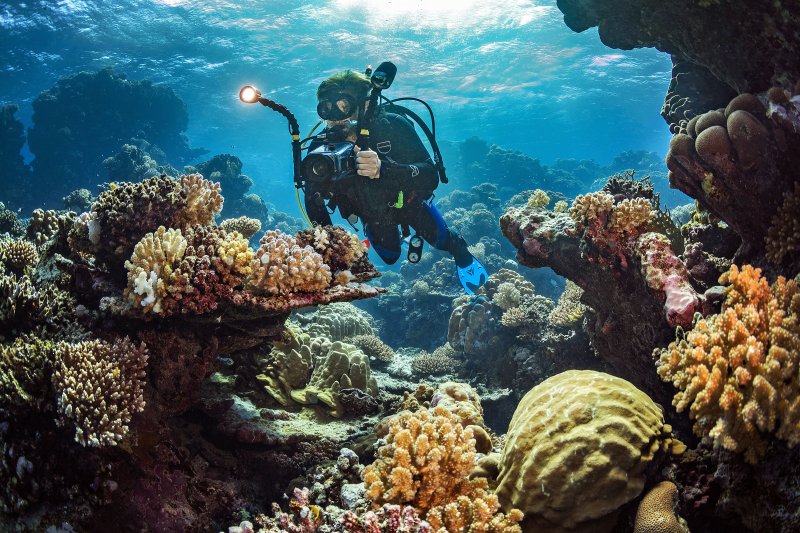
Understanding the types of marine pollution is useful, but your behavior and actions underwater matter too. Good buoyancy helps keep you clear of coral, plants, and the seafloor, and careful finning helps prevent sediment from billowing over sensitive habitats. Never touch marine life, feed animals, or remove natural objects as souvenirs.
Shutterstock-Stas-Moroz
If you encounter debris during a dive, collect it only when it is safe and within your training and equipment limits. Leave lines tangled around coral or animals to appropriately trained professionals rather than attempting the removal yourself.
The SSI Perfect Buoyancy Specialty helps you reduce your physical impact underwater. Developing better trim and control can help you hover comfortably above fragile habitats and enjoy a more relaxed dive.
The types of ocean pollution may feel overwhelming, but everyday choices still matter. Reduce unnecessary consumption, wash synthetic clothing less often, take chemicals and medicines to appropriate collection points, limit fertilizer use where possible, and keep litter from washing into storm drains or waterways.
You can also support responsible seafood practices, join local shoreline cleanups, and learn about pollution affecting your own coastline. Most importantly, share accurate information about hidden pollution as well as the litter you can see.
The ocean is connected to what happens on land. Understanding the different types of ocean pollution helps you see how small choices, responsible diving, and community action can contribute to healthier reefs, seagrass meadows, and other marine ecosystems.
Build your skills with SSI and learn to explore the reef with less impact.