Red Sea Dive Sites: 8 Best Spots Away from the Crowds
scuba divingfreedivingtravel
Shutterstock-Stas-Moroz
Table of Contents:
-
Marsa Alam: A Gateway to the South
-
Elphinstone Reef: Walls and Whitetips
-
St. John's: Remote Red Sea Dive Sites in the Deep South
-
Dahab: Red Sea Dive Sites Beyond the Blue Hole
-
Fury Shoals: Red Sea Dive Sites in the Wilderness
-
Sataya Reef: Wildlife Above and Below
-
Rocky Island and Zabargad: Remote Red Sea Dive Sites
-
Brothers Islands: Big Pelagics, Few Facilities
-
Plan Your Trip to the Best Red Sea Dive Sites
-
Helpful SSI Courses for Red Sea Diving
-
Dive Deeper
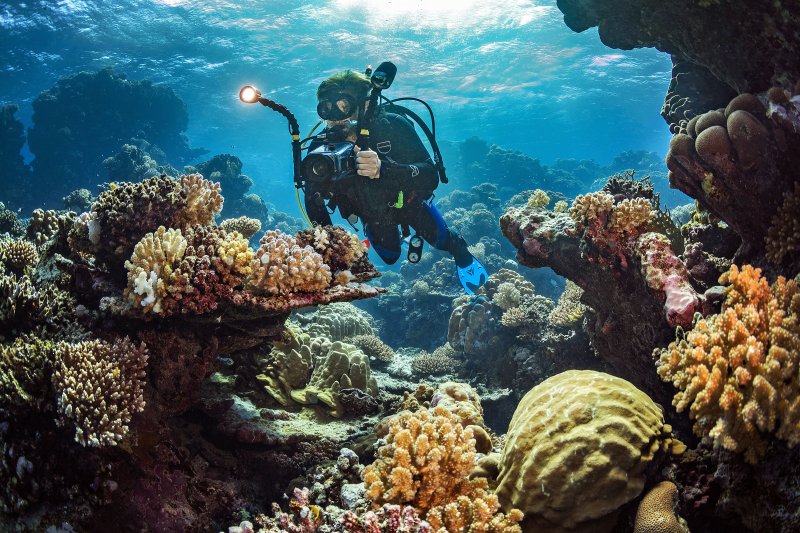
Diving in Egypt's Red Sea means vibrant coral reefs, warm water, and big-animal encounters, but you do not have to follow the busiest resort routes to feel its magic underwater. Beyond the crowded hubs, quieter coastal sites and remote liveaboard reefs still feel wild and spacious. This guide explores eight Red Sea dive sites, from shark-filled reefs to colorful coral gardens and sheltered bays. If you prefer more time underwater and less time in crowded marinas, these spots are worth exploring, especially for experienced reef divers.
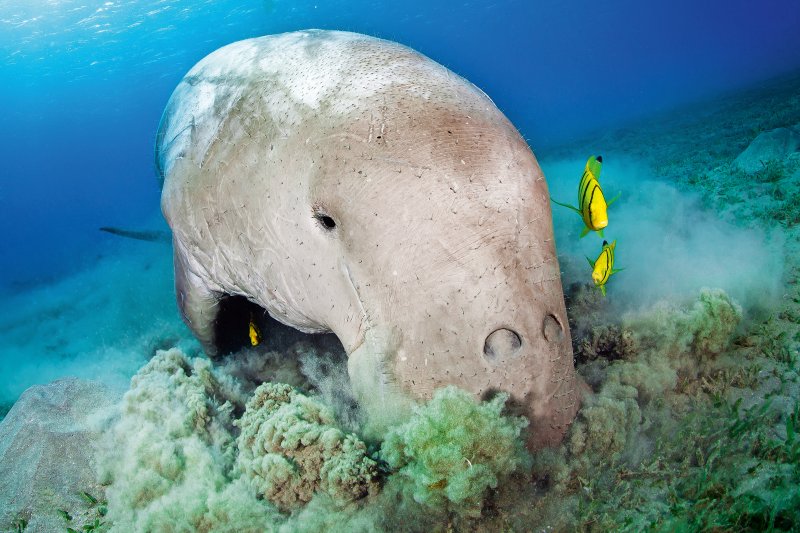
Marsa Alam offers an appealing balance of accessibility and wilderness. At Abu Dabbab, you might spot a dugong grazing in the seagrass, and Shaab Samadai is known for its spinner dolphins. Many local dive sites suit recreational divers, with visibility commonly around 20 to 35 meters (66 to 115 feet) and water temperatures of roughly 23 to 30°C (73 to 86°F).
AdobeStock-b neeser
You can explore reefs on shore dives and boat dives without committing to a liveaboard, then use Marsa Alam as your gateway to more remote offshore reefs. Find local dive sites on Scubago's Marsa Alam page.
Elphinstone is well known, but its offshore setting and challenging conditions feel far removed from a resort reef. Along its narrow plateau, steep coral-covered walls drop into the blue, where sharks and other pelagic species may appear.
Currents can change quickly, so good buoyancy control and open-water confidence matter. Visibility can reach 25 to 40 meters (82 to 131 feet), with water temperatures around 23 to 30°C (73 to 86°F). For experienced divers, Elphinstone offers adventurous Red Sea diving and memorable shark encounters.
Curious about the wildlife? Discover 11 exciting species to spot in the Red Sea in SSI's guide.
Far south along Egypt's coast, St. John's is a remote reef system usually explored on Red Sea liveaboard diving trips.Away from resort crowds, coral-covered pinnacles rise from the blue, with dramatic walls and swim-throughs waiting to be explored.
Barracuda, tuna, turtles, reef sharks, and large schools of fish may cross your path, although currents can be significant. Water temperatures range from around 22 to 30°C (72 to 86°F). With generally clear water and excellent visibility, St. John's suits confident intermediate and advanced divers.
Considering a liveaboard? Discover more in SSI's guide to liveaboard diving.
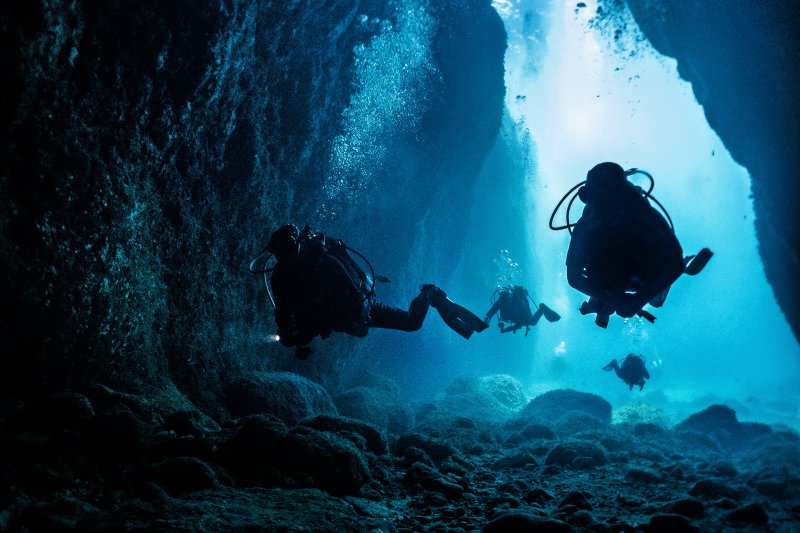
Dahab may be famous for the Blue Hole, but the Canyon, Eel Garden, and Islands reveal another side of its underwater world. Picture colorful reefs, striking rock formations, and the freedom to explore many sites directly from shore, without relying on a boat schedule.
Shutterstock-Jellyman-Photography
Water temperatures range from roughly 21 to 29°C (70 to 84°F), with visibility often around 20 to 30 meters (66 to 98 feet). Wind can affect conditions. Dahab suits flexible divers, underwater photographers, and travelers who enjoy exploring between dives. It shows that Red Sea diving does not always require crowded marinas or fixed boat schedules.
Further south, Fury Shoals unfolds into a maze of reefs, coral-covered pinnacles, lagoons, and channels, usually explored by liveaboard. Healthy coral, schools of fish, turtles, and dolphins add to the rich marine life.
Expect warm water, excellent visibility, and occasional currents, with conditions influenced by wind and sea state. Weather can change liveaboard routes, so flexibility matters. For divers seeking solitude and underwater variety, Fury Shoals offers a quieter side of Red Sea diving.
Find reef information and diving opportunities in the Fury Shoals destination guide on Scubago.
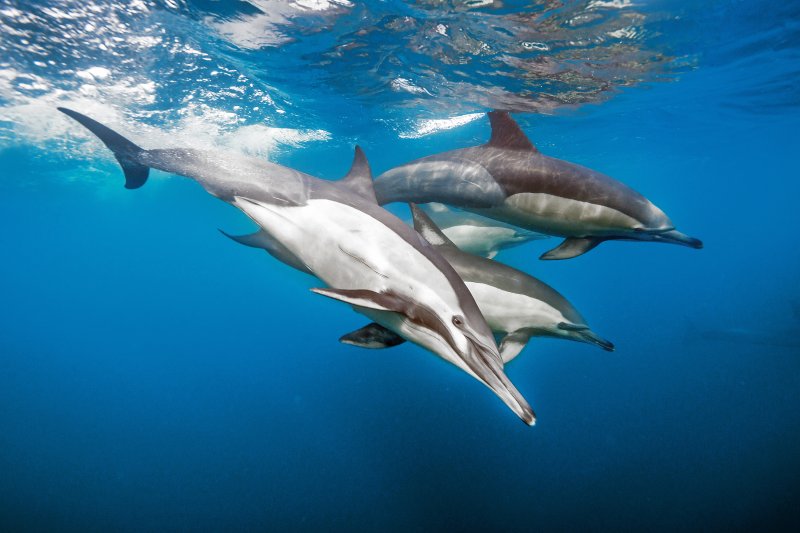
Known as Dolphin Reef, Sataya is famous for its sheltered lagoon and spinner dolphins. Inside the lagoon, calm water offers a peaceful contrast to the deeper blue beyond the reef.
AdobeStock-wildestanimal
In summer, water temperatures can reach 28 to 30°C (82 to 86°F), dropping into the low 20s Celsius (low 70s Fahrenheit) in winter. Sataya offers a quieter, wildlife-focused experience, adding another dimension to the southern Red Sea diving routes.
Learn more about spinner dolphins in Scubago's spinner dolphin guide.
Far offshore, Rocky Island and Zabargad are usually reached on southern Red Sea liveaboard routes. Their isolation is part of the appeal as steep coral-covered walls plunge into deep blue water, where sharks, barracuda, tuna, and rays may appear. Zabargad also stands out for its distinctive geology.
Strong currents, swell, and changing conditions make these sites better suited to experienced divers. Visibility can reach 25 to 40 meters (82 to 131 feet), with water temperatures around 24 to 29°C (75 to 84°F). Far from the resort atmosphere, both islands offer the quieter, more adventurous side of Red Sea diving.
Rising from the open Red Sea, the Brothers are two isolated offshore islands with no resorts or shore access. Liveaboards bring divers to steep reef walls, coral-covered wrecks, and waters where pelagic sharks and large fish may appear.
This is advanced Red Sea diving territory. Strong currents, open-water descents and ascents, and rapidly changing conditions demand experience. Visibility commonly reaches 20 to 40 meters (66 to 131 feet), with water temperatures ranging from approximately 21 to 30°C (70 to 86°F). For suitably experienced divers, the Brothers offer some of the Red Sea's most remote diving adventures.
The best time for Red Sea diving depends on where you want to go and what you hope to experience. The Red Sea offers year-round diving, with water temperatures ranging from around 21 to 30°C (70 to 86°F). Spring and fall often bring comfortable water, good visibility, and fewer visitors. Summer offers the warmest water and excellent opportunities for pelagic encounters, and winter brings cooler temperatures but potentially quieter dive sites.
Your experience level matters just as much. Sheltered sites around Marsa Alam and Dahab can suit newly certified divers, but Elphinstone, St. John's, Rocky Island, Zabargad, and the Brothers require greater confidence with currents, depth, open water, or liveaboard diving. Always check your itinerary's requirements rather than assuming your certification qualifies you for every site.
Before your trip, review your diving and travel insurance options with SSI partner DiveAssure.
Picture yourself descending alongside a steep reef wall or navigating a current far from shore. The right training can help you feel more confident in these conditions. The SSI Advanced Open Water Diver program combines five open-water training dives, including Deep Diving and Navigation, with three additional specialty areas. For deeper reefs, the SSI Deep Diving Specialty develops skills for dives between 18 and 40 meters (59 to 131 feet). Good buoyancy control also matters around delicate coral, and understanding currents helps when conditions change.
Build logged experience in similar conditions, know your limits, and choose an appropriate dive center or liveaboard. With thoughtful planning, Red Sea diving can take you beyond the busiest resorts and into some of Egypt's most spectacular underwater environments.