How Deep Can Scuba Divers Go? Scuba Diving Depth Limits Explained
scuba diving
mares
Sooner or later, almost every new diver wonders: how deep can scuba divers go safely?
And it is the right question to ask. Depth is where the ocean starts to feel different. As you descend, the sunlight fades, the reef wall slips into deeper blue, and your bubbles suddenly sound louder. You notice every breath.
That is also why depth is one of the defining limits of recreational scuba diving. It affects pressure, gas consumption, nitrogen absorption, bottom time, equipment choices, and training requirements. Beginners usually stay shallow. Experienced divers can move deeper with the right training and a calm, planned approach.
In this guide, we break down scuba diving depth limits, why they exist, how training helps you go deeper safely, and what begins beyond recreational diving.
Table of Contents:
-
Why Depth Matters in Scuba Diving
-
Scuba Diving Depth Limits for Beginner Divers
-
Recreational Scuba Diving Depth Limits for Experienced Divers
-
The Maximum Recreational Scuba Diving Depth
-
Training That Expands Depth Safely
-
Famous Deep Dive Sites Around the World
-
Record-Breaking Deep Dives and Technical Diving
-
Equipment Considerations for Deeper Dives
-
Getting Started Safely
-
Dive Deeper
Image Name: scuba-diving-depth-limits-pressure.jpg
mares
To understand how deep scuba divers can go, it helps to first look at why depth matters. As you descend underwater, pressure increases quickly. Every 10 meters (33 feet) of depth adds roughly another atmosphere of pressure.
You feel that change as soon as you descend: you equalize more often, you use gas faster, and your dive computer suddenly gets more of your attention. At greater depths, nitrogen narcosis can also become noticeable, making your reactions slower and your judgment less clear.
This is why scuba diving depth limits exist. They do not take the fun out of diving. They help keep the dive controlled, so you can enjoy the wall, the wreck, the blue water, and the quiet without pushing too far.
Curious what really happens as you descend? The SSI Science of Diving program helps you connect pressure, gas behavior, and your body's response underwater with what you feel on every deeper dive.
redrag_vuckovic
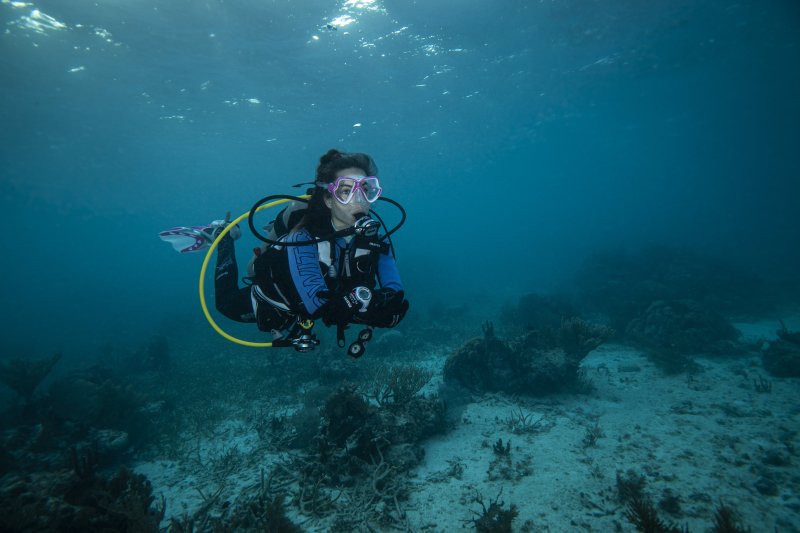
For newly certified divers, depth limits are intentionally conservative. During entry-level training, divers learn how deep scuba divers can go safely while still managing buoyancy, breathing, equalization, communication, and awareness.
The SSI Scuba Diver program helps divers go open water diving to 12 meters (40 feet) with an SSI Professional.
The SSI Open Water Diver certification then builds the skills and experience needed to dive to a maximum of 18 meters (60 feet) within certification limits.
That shallow range is not boring. It is where new divers learn the rhythm of diving: slow breathing, steady buoyancy, relaxed communication, and the first real feeling of moving comfortably underwater. You have more light, longer bottom times, easier ascents, and more room to breathe through the little moments that build confidence.
For many divers, better depth control starts long before they go deeper. The SSI Perfect Buoyancy program helps you improve trim, control, and comfort so you can enjoy each depth range with more ease.
iStock-para827
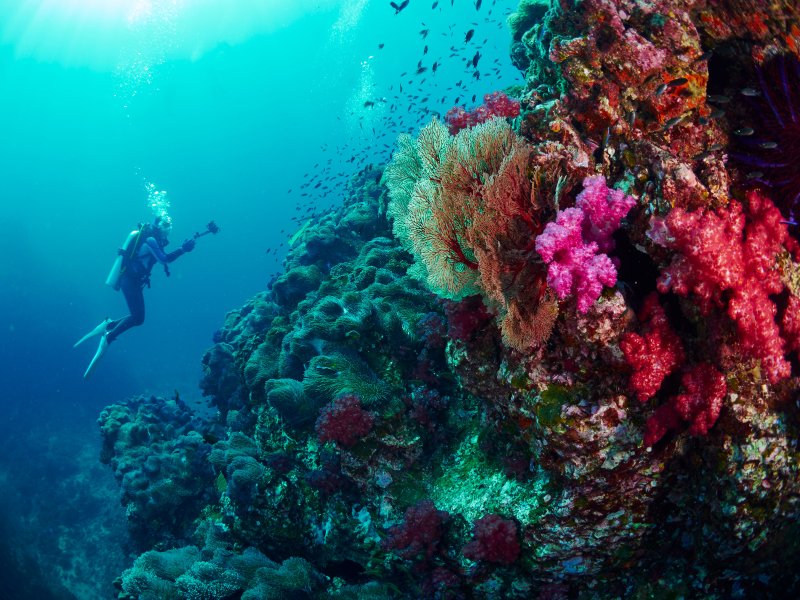
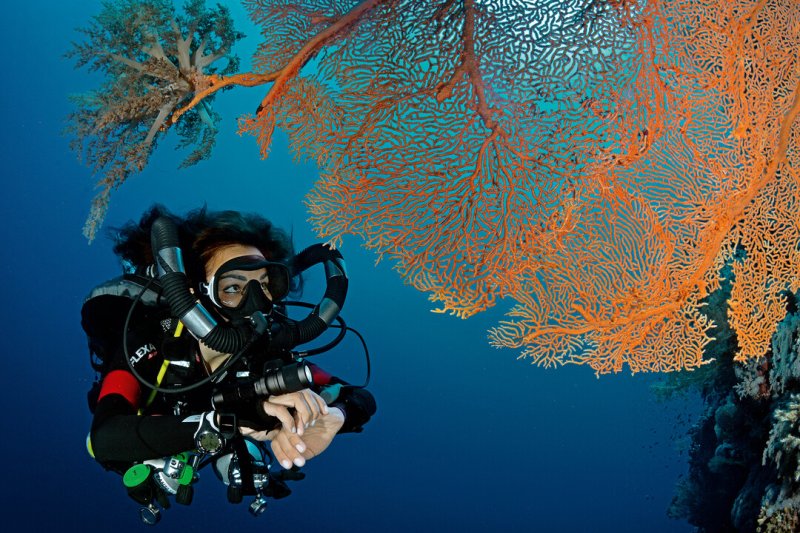
With more experience, divers often begin to wonder how deep scuba divers can go without moving into technical diving. For many advanced recreational divers, 30 meters (100 feet) is where you begin to feel truly immersed in the ocean - surrounded by blue, connected to your breath, and aware of every movement.
At this depth, the underwater world can feel wider. Walls drop into blue space. Wrecks may sit just beyond the bright shallow zone. Large reef structures appear slowly, like shapes coming out of dusk.
But the deeper you go, the more skill, focus, and control the dive requires. Gas management matters more, no-decompression time becomes shorter, and buoyancy mistakes cost more gas and attention.
If you are ready to explore deeper dives in a structured way, the SSI Advanced Open Water Diver program includes Deep Diving and Navigation experience dives and helps you explore advanced training before choosing full specialty programs.
mares
The generally accepted maximum recreational scuba diving depth is 40 meters (130 feet). This is usually the upper limit divers mean when they ask how deep scuba divers can go in recreational scuba diving.
At 40 meters (130 feet), the dive feels different. Bottom time is extremely limited, narcosis can be more obvious, and your gas disappears faster than you expect.
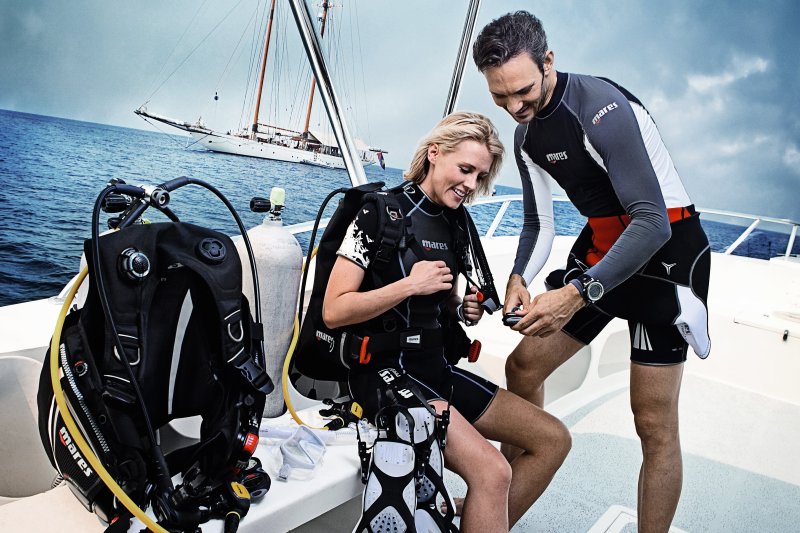
That is exactly why training matters. The SSI Deep Diving training helps divers plan dives between 18 and 40 meters (60 to 130 feet) with stronger awareness of gas management, narcosis, ascent control, and emergency procedures.
mares
Training plays a big role in how deep scuba divers can go safely. Experience matters, but deeper dives need structure, planning, and skills you can rely on. When you hover in the blue and the ocean starts to feel less like a place you visit and more like a world you belong to, calm focus matters as much as curiosity.
Good deep-diving training is not about chasing a depth record. It is about knowing when to turn the dive, how to monitor your gas, how narcosis feels for you, how to ascend with control, and how to stay calm when the site is too beautiful to leave.
For dives beyond no-decompression limits, the SSI Decompression Diving program introduces planning needed for limited decompression dives.
nowak-min
Some of the world's most famous underwater locations bring the question back again: how deep can scuba divers go?
The HMHS Britannic rests at approximately 120 meters (394 feet) in the Aegean Sea, far beyond recreational limits. Dean's Blue Hole in the Bahamas drops beyond 200 meters (656 feet) and is mainly associated with freediving rather than scuba.
Boesmansgat Cave in South Africa reaches around 283 meters (928 feet). Dahab's Blue Hole in Egypt exceeds 100 meters (328 feet) and is a powerful reminder of the danger of exceeding training limits.
Dreaming about sites like these is part of the pull. Training is what decides whether a dive is a real plan or only a story. For destination inspiration, use Scubago to explore dive trips, dive centers, and dive sites that match your training level and goals.
Fascinated by overhead environments? Cave diving opens another world of exploration. Read the SSI blog Hidden Worlds: Exploring Underwater Caves in Mexico to see how fascinating diving becomes in overhead environments.

mares
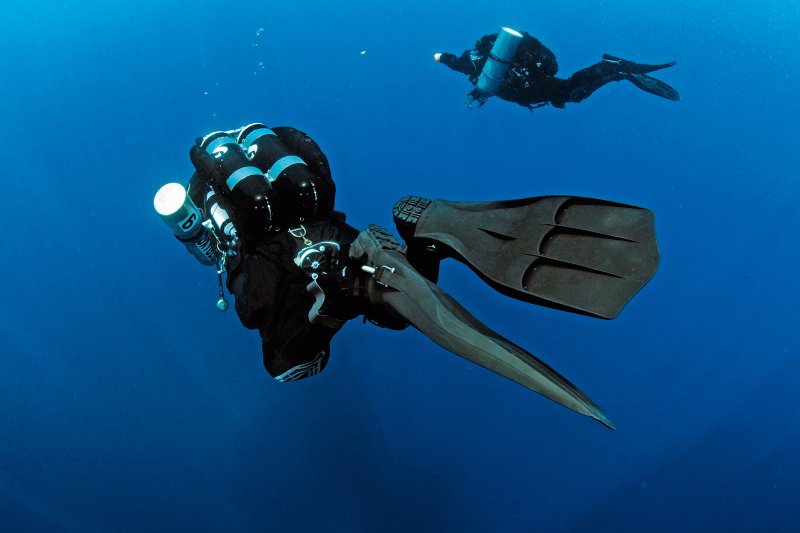
When divers ask, “How deep can scuba divers go?”, it is important to separate recreational diving from record-setting exploration. Experimental and technical dives have exceeded 300 meters (984 feet), but those dives are not recreational. They use specialized gas mixtures, redundant life-support systems, decompression planning, and surface support.
This is where recreational diving ends and technical diving begins. Your mindset, equipment, and planning all change. The dive is built around redundancy, team procedures, gas reserves, decompression obligations, and disciplined execution.
For divers who feel that pull toward deeper, more complex environments, SSI Extended Range offers a structured pathway.
Start with SSI Extended Range programs or read *Training to be Elite: Top 10 Technical Diving Courses* to understand how this training path progresses.
predrag-vukovic
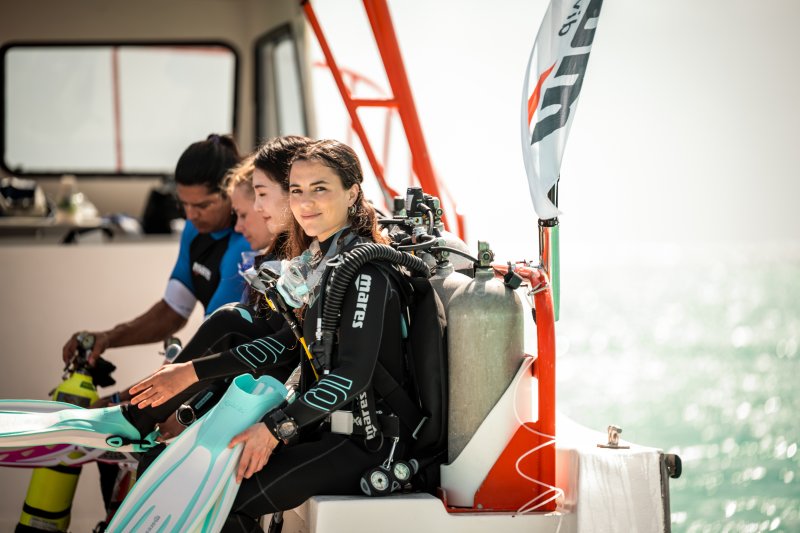
As depth increases, equipment requirements change too. Regulators must perform reliably under higher pressure. Exposure protection becomes more important when deeper water gets colder. Dive computers need to accurately track nitrogen absorption.
Deeper dives also require redundant systems and precise planning. You want gauges where you can see them, backup systems where you can reach them, and a setup that lets you hold trim without fighting your gear.
This is another reason depth ranges can only give you part of the answer. The real question is not only, “How deep can scuba divers go?” The better question is: do you have the training, equipment, gas plan, buddy procedures, and awareness to enjoy that depth safely?
Before booking deeper dives or liveaboard trips, it also makes sense to review dedicated dive and travel coverage. SSI's insurance partner DiveAssure offers dive and travel plans that can support divers planning local trips, international travel, or more complex dive adventures.
predrag_vuckovic
If you are curious about exploring deeper water, the first step is education. The right instructor will not simply point to a maximum depth. They will help you understand your comfort, your air use, your buoyancy, your situational awareness, and the kind of diving you want to do.
Ultimately, how deep scuba divers can go depends on training, experience, conditions, equipment, and responsible decision-making. Staying within your limits and progressing gradually allows you to enjoy the underwater world safely for years to come.
Ready to take the next step? Use the SSI Center Locator to find an SSI Professional near you and choose the training path that supports your next deeper dive.