Freediving Kona: Discover Hawaii's 10 Best Dives
freedivingtravel
stock-art-wager
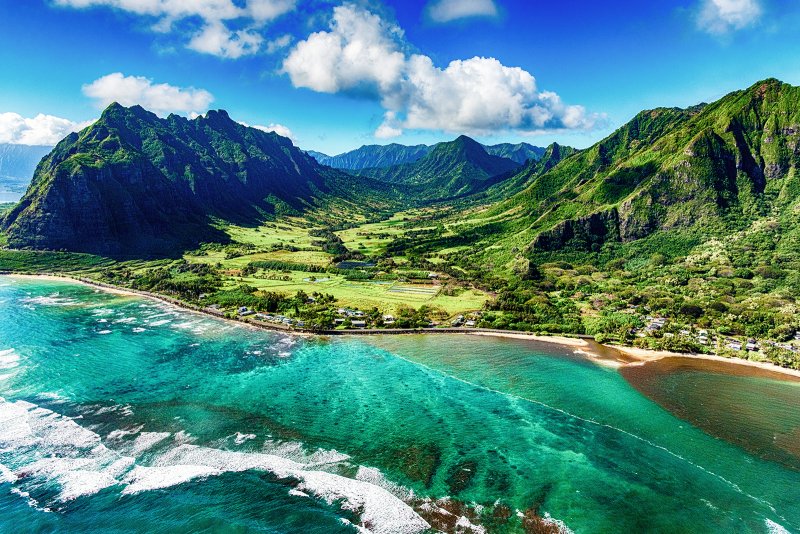
If there is one place that consistently inspires freedivers, it is Kona on the Big Island of Hawaii. Known for its calm waters, incredible visibility, and diverse marine life, Kona has become one of the most sought-after destinations for freedivers of all levels. Whether you are drawn to shallow reefs filled with tropical fish, want to train in the deep blue with world-class conditions, or dream of swimming alongside dolphins and manta rays, there is something here for every freediver. We will take you through the best spots for freediving Kona, along with local tips to help you make the most of your time in this Pacific paradise.
Kona is one of the world's most iconic freediving destinations, offering calm conditions, deep blue water, and exceptional visibility. Whether you are training depth or exploring the volcanic coastline and marine life, these unmissable spots capture the best of freediving Kona.
Stock_Adobe_Ryan-Janssens
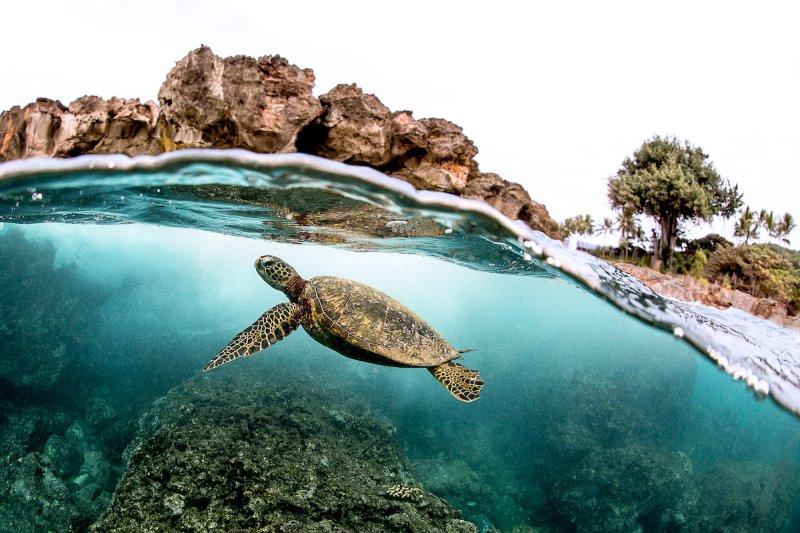
Honaunau Bay is a great place to spot green sea turtles.
When it comes to freediving Kona, Two Step is one of the most famous locations, and for good reason. Entry is easy thanks to the natural rock ledges that act like steps, making it a great spot for both beginners and advanced freedivers.
The underwater scenery is stunning, with clear water and coral formations that attract schools of butterflyfish, parrotfish, and even the occasional green turtle. Visibility can exceed 30 meters (100 feet), making it an excellent training ground.
Conditions here are generally calm in the mornings, though afternoons can bring more surge. Explore the lava fingers extending seaward, where reef fish gather in vibrant numbers. After your dive, you can visit the nearby Puʻuhonua o Hōnaunau National Historical Park to learn about ancient Hawaiian culture.
Kealakekua Bay is a marine sanctuary with some of the clearest water in Hawaii, often boasting 40 meters (130 feet) of visibility (it does not get much better than that!). It is a prime spot when freediving Kona because it combines depth opportunities with rich reef ecosystems. Spinner dolphins are frequent visitors, and the steep underwater drop-offs make it a great choice for depth training.
Access is easiest by kayak or boat, though strong swimmers sometimes cross from the shore. Conditions are usually excellent in the morning, with calmer seas and fewer crowds. Check out the Captain Cook Monument onshore after your dive, where history meets breathtaking views.
Honaunau Bay is a calm and picturesque site that blends cultural significance with underwater beauty. The bay has shallow areas perfect for beginners, as well as deeper drop-offs for those practicing techniques. Marine life is abundant, from schools of yellow tang to curious octopuses tucked into the coral.
The bay is easily accessible, though it can get crowded on weekends. Conditions are best in the mornings before winds pick up. Bring a picnic and stay for sunset; it is one of the most beautiful spots on the island to wind down after a dive.
Want to become a deep diver? Read this: Deep Freediving: All You Need to Know to Explore The Depths
Kailua Pier might not seem like an obvious freediving hotspot, but it offers unique opportunities. The pier is often bustling with fish life, and larger pelagics sometimes cruise by in the deeper water just offshore. This site is also where the annual Ironman World Championship begins, so it has a unique energy for sports lovers.
Conditions are usually calm, though boat traffic requires caution. The Kona coast is world-famous for its manta ray night dives; the most reliable encounters occur at specific dive sites, like Manta Ray Village to the south, where lights attract plankton.
Puako Bay is a hidden gem with lava tubes, arches, and a patchwork of coral reefs. Freedivers love this site for its combination of interesting topography and vibrant marine ecosystems. Depths range from shallow coral gardens to deeper stretches offshore, giving options for different levels.
Access is relatively easy from shore, though it is best to go with someone familiar with the entry points. Conditions can vary depending on the swell, so checking the forecast before diving is recommended. Explore the lava tubes, which create dramatic light beams in the water, perfect for underwater photography.
AdamMoore
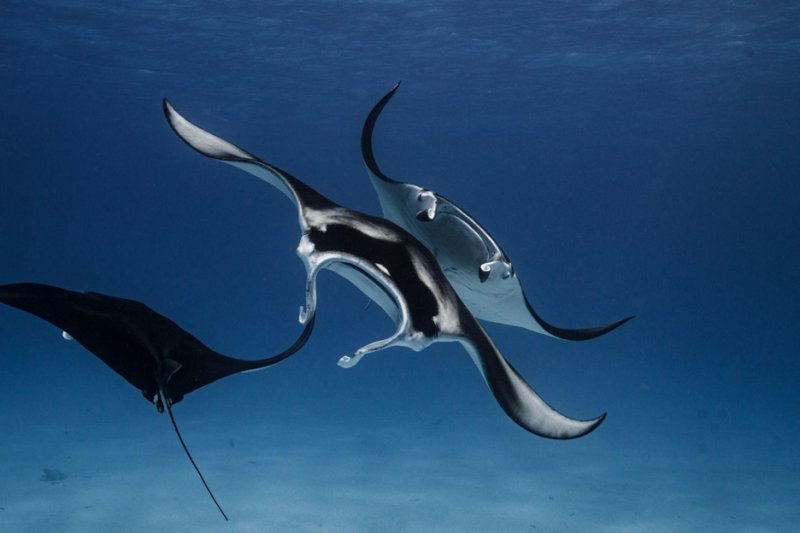
The manta ray night dive at Kona is also ideal for freedivers.
Although it is often promoted as a scuba experience, the iconic Kona manta dive is also unforgettable for freedivers. Using lights to attract plankton, local operators create conditions where mantas swoop and glide gracefully within arm's reach.
Conditions are typically calm, but it is important to stay aware of your surroundings and not disturb the animals. Try freediving here during twilight, just before full darkness, when the mantas begin to gather; it is a quieter, more magical experience.
predrag_vuckovic
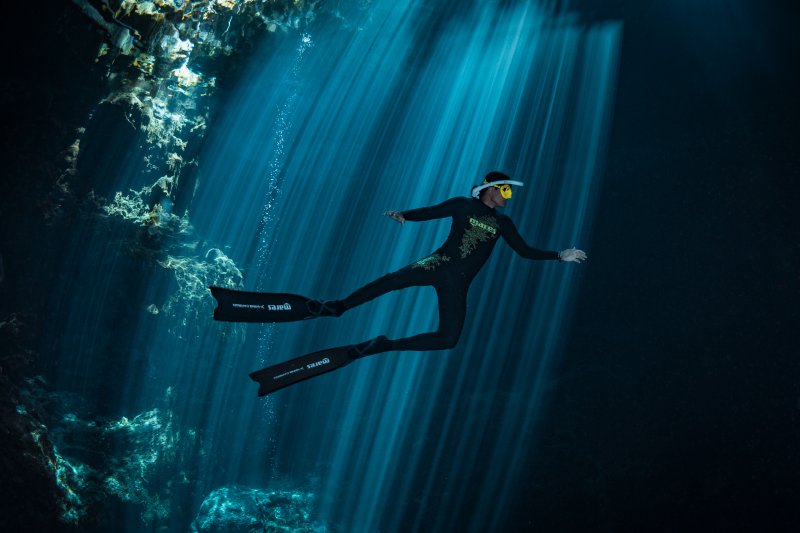
Black water freediving in Kona
For those seeking adventure, black water freediving Kona style is unlike anything else. Boats take divers several kilometers offshore at night, where you drift in deep water with nothing but a line and the glow of lights. Strange pelagic creatures rise from the deep, including larval fish, jellyfish, and squid.
Conditions require confidence and calmness in open water, so this is best for advanced freedivers. Book with an operator who specializes in black water dives, as they know the best drift locations and safety protocols.
predrag_vuckovic
Kona's drop-offs offer excellent depth training
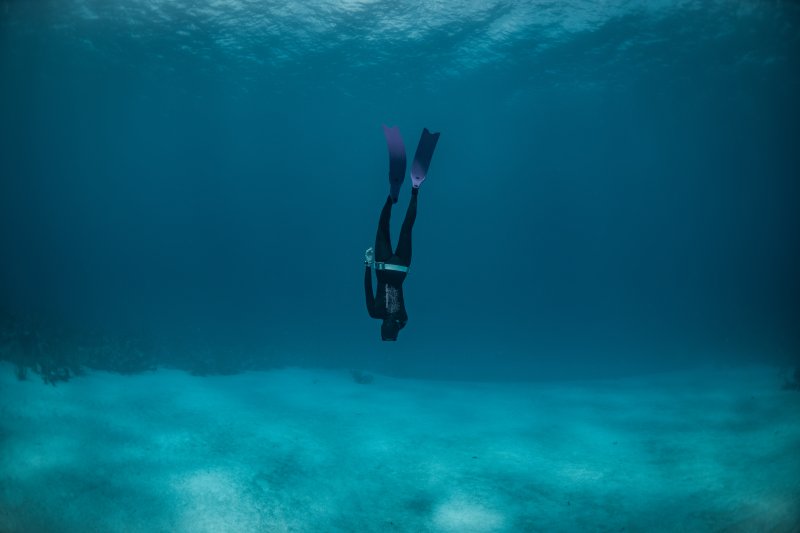
Just a few hundred meters offshore from Kona's coast, the seafloor plunges dramatically into deep water. These drop-offs are a training haven for freedivers, offering immediate access to depth with minimal current. Visibility often surpasses 40 meters (130 feet), creating ideal conditions for practice and competitions.
Reaching these spots usually requires a boat, though some training lines are set close to shore. Go early in the morning when the sea is glassy and conditions are most stable, especially if you are working on deep dives.
Find out more in SSI x Edges of Earth: Welcome to Blackwater Diving
Honokohau Harbor is a convenient access point to some versatile freediving opportunities. While the inner harbor is not a common freediving spot due to boat traffic, the reef and drop-off just outside the channel create excellent conditions for exploration and depth training. Dolphins are often spotted in the area, and turtles bask along the harbor's outer walls.
Conditions are dependent on boat traffic and tides, so divers must exercise extreme caution. Mornings tend to have calmer seas and less activity. Combine your dive with a walk through Kaloko-Honokōhau National Historical Park, which surrounds the harbor and features ancient Hawaiian fishponds and petroglyphs.
Makalawena Beach is slightly harder to reach, requiring a drive down a rough road or a hike, but the reward is a secluded spot with pristine reefs and turquoise water. This makes it a favorite for those seeking a quieter freediving experience. Depths range from shallow coral gardens to moderate drop-offs, and visibility is consistently excellent.
Conditions are usually calm, though it is best to avoid afternoons when winds pick up. Pack plenty of water and supplies, because the beach is remote, you will not find facilities nearby.
The right gear greatly helps with performance: Best Freediving Fins for 2025: Top Picks for Every Freediver
Kona is fortunate to have excellent freediving conditions year-round, thanks to its sheltered leeward coast. However, the best time for freediving Kona is generally from May to September, when the seas are calmest and visibility peaks. Winter months can bring larger swells, but even then, conditions are often better here than on other Hawaiian islands.
Freediving Kona offers something for everyone, from shallow bays for beginners to deep offshore drop-offs for advanced training. Most reef and bay sites are suitable for newer freedivers, while black water dives and offshore depth sessions are best reserved for the more experienced.
Always freedive with a buddy, and if you are new, consider starting with a beginner freediving course to build your confidence and safety skills.
Why Training Matters in Kona's Conditions
Kona's stunning visibility and deep-water drop-offs make training invaluable. Solid technique and safety skills ensure you get the most from every dive. Courses like SSI Freediver and SSI Advanced Freediver are perfect for building technique and learning safe depth progression.
If you are drawn to open water or deeper dives, the SSI Performance Freediver program provides advanced skills and safety training.
Why Kona Belongs on Every Freediver's List
Freediving Kona is unforgettable. With world-class visibility, vibrant marine life, and access to both reef and deep-water training, it offers something for every freediver. Whether you want to explore, train, or meet Kona's iconic wildlife, this coastline always delivers.
Ready to Explore Kona?
Use the SSI Center Locator tool to find trusted training centers and expert instructors who understand Kona's conditions and sites. Start planning your trip today.