Why Every Reef Scientist Should Know the Coral Reef Research Hub
ecology
unsplash-min
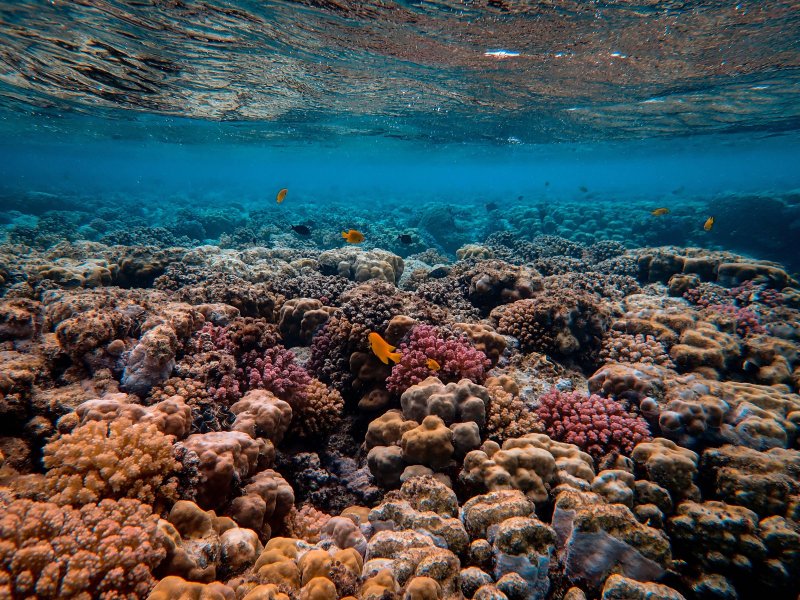
Coral reefs are under threat, and protecting them requires collaboration across borders, disciplines, and generations. Yet for many early-career scientists and reef managers, finding the right people, resources, and opportunities can be a struggle.
That is why Dr Stuart P. Wynne founded the Coral Reef Research Hub (CRRH) — a global career development and networking platform built by coral reef scientists, for coral reef scientists. It is a place where professionals, researchers, and students come together to share knowledge, connect, and ultimately help safeguard the future of reefs.
Curious what it looks like in practice? Here is what the Hub has to offer — and why it is becoming such a vital space for the global reef community.
The Coral Reef Research Hub is more than just a platform — it is a career development resource and professional networking community designed to help you succeed.
- A free social media–style interface where members can network, create niche research groups, and collaborate.
- Career opportunity listings to discover the latest jobs, internships, and placements.
- Mentorship programs that connect early-career scientists with experienced professionals.
- Knowledge-sharing masterclasses to expand your skills and insights.
- Publication hosting and document archives for easy access to shared research.
- Courses and training opportunities to advance your professional journey.
- Small Research Grants (SRG) designed to support early career fieldwork and research projects.
Built by coral reef scientists for coral reef scientists, the Coral Reef Research Hub knows that together we are stronger!
iStock-chrisho
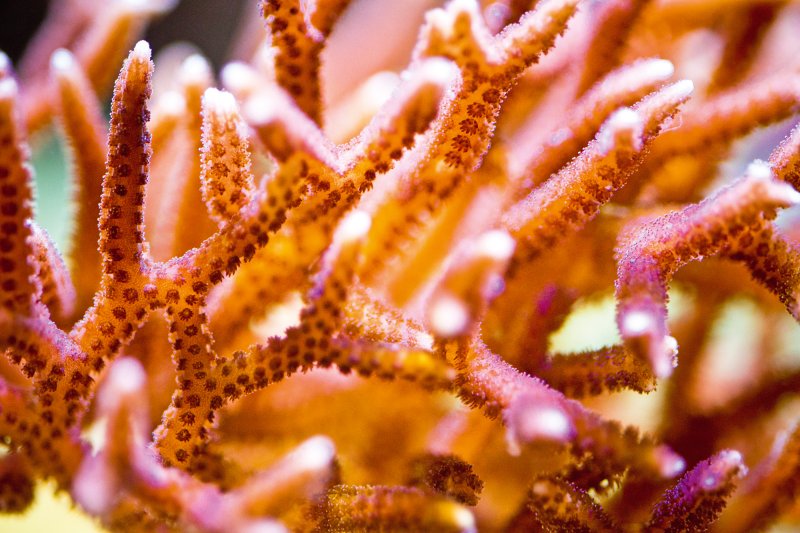
Finger corals — just one of the many reef ecosystems the Coral Reef Research Hub is working to protect.
The Coral Reef Research Hub began in October 2020 as a private Facebook group during the COVID-19 pandemic. Its purpose was simple: to make it easier for scientists to connect.
"When researching survey methods and locations for my MSc in Applied Ecology, it was incredibly difficult to get in touch with researchers — or even find out who they were."
- Dr Stuart P. Wynne, Founder of the Coral Reef Research Hub.
Although the internet had grown, networking outside conferences or closed list servers remained a challenge.
Ready to make a difference? Join SSI Blue Oceans and protect our oceans today
Realizing Facebook was not the right solution, Stuart turned to web design. By the end of 2021, the first version of the Hub was ready, complete with:
- A tailored networking platform
- A Small Research Grants program (SRG) funded by membership fees
- Career development tools like mentorships, job listings, and masterclasses
"This means anyone, anywhere in the world — regardless of financial restrictions — can take advantage of our networking service."
The Hub soon introduced a Basic Membership (free) for networking access, with premium options for career development resources. This ensured accessibility while also supporting the SRG program.
The Hub is constantly evolving to serve the coral reef community. Exciting upcoming developments include:
- Launching a mobile app for easier access and engagement.
- Building a historical archive of coral reef footage from around the world.
- Expanding a well-established internship program.
- Forming partnerships with other organizations for mutual exposure.
- Securing sponsorships to increase the diversity and number of projects we can fund.
How much difference can one dive center really make? A lot! Check out: See how one turned lionfish into community conservation
One of the Hub's most successful SRG recipients is Dr Yolanda Waters, whose project explored how reef tourism experiences impact public engagement with climate change.
Her study asked:
- To what extent can direct reef experiences (snorkeling, diving) increase awareness and willingness to act on climate change?
- What elements of these experiences (marine life, interaction, learning) are associated with the most engagement?
- Does climate-specific interpretation (flyers, education sessions, signage) strengthen engagement — and if so, which methods work best?
- Are there any negative effects of climate-specific interpretation on visitor experience?
With the Hub's support, Yolanda completed over 50 trips and 650+ surveys in just a few months.
This work became part of her PhD thesis titled "Does the Great Barrier Reef inspire action? Exploring pathways to greater public engagement with climate change across Australian communities".
She went on to found Divers for Climate, an NGO dedicated to motivating climate action in the global diving community.
"Sound may travel fast underwater, but it is the powerful voices of divers on land that will lead to urgent and transformative change.
With the help of the Hub's Small Research Grant Program, I was able to successfully complete my busy fieldwork travel schedule.
As a social scientist, it is hard to find support for fieldwork — so it was amazing to be backed by the CoRR Hub team.
My work on climate change communication and coral reefs is now informing NGO communications as well as policy".
- Dr Yolanda Waters, Founder of Divers for Climate.
The Coral Reef Research Hub is here for you — whether you are a researcher, a student, or a professional working to protect our reefs. Together, we can protect coral reefs — and build stronger careers while doing it.
If you would like to learn more about The Coral Reef Research Hub or Divers for Climate, check out the links below:
Join the Coral Reef Research Hub
Connect with the community on Facebook
Discover Divers for Climate