Breath Hold Diving – A Beginner's Guide to Getting Started
freediving
shutterstock-wonderful-nature
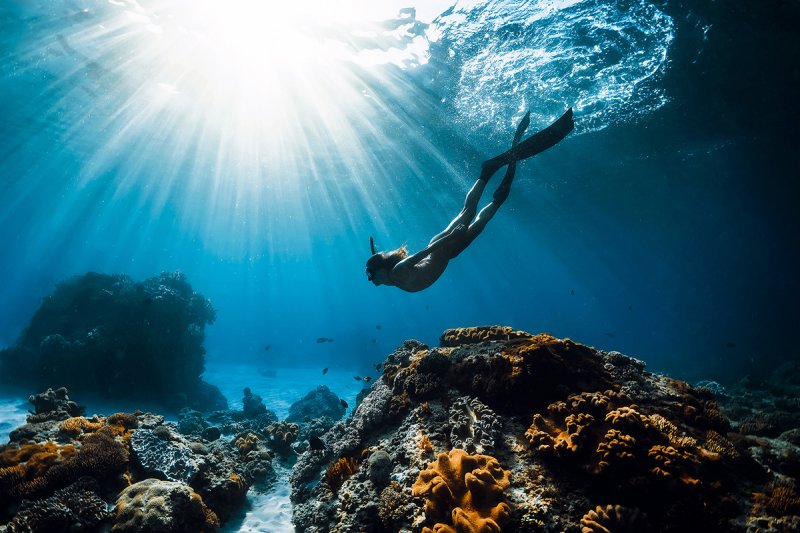
Imagine slipping beneath the surface, with no tank, regulator, or stream of bubbles drifting upward. Sunlight flickers through the water as you glide forward on a single breath. That is breath hold diving, also known as freediving. For some, the attraction is the physical challenge. For others, it is the quiet of being underwater or a different way to see the ocean. Here is what you need to know before you begin.
Breath hold diving means swimming underwater on a single breath, without the compressed air supply used in scuba diving. You take a breath at the surface, descend, explore for a short time, and return for air. Depending on your training and experience, you can practice in a pool, lake, or ocean.
The name may sound unfamiliar, but breath hold diving is simply another term for freediving. It ranges from gliding along a reef to structured depth, distance, and endurance challenges. Some freedivers love exploring underwater landscapes. Others enjoy refining their technique, feeling each movement become more effortless as their skills improve.
Snorkeling and breath hold diving may look similar at first. With a snorkel, you float at the surface, watching fish dart across the reef as you breathe through the tube. You can duck under briefly, then return to the surface for air. With breath hold diving, you deliberately descend to explore on a single breath, without a snorkel in your mouth.
Scuba divers can stay underwater much longer because they breathe compressed air from a cylinder through a regulator. Freedivers depend entirely on the breath taken at the surface, with preparation, comfort, depth, and ability shaping every dive.
That simplicity is part of the appeal. Without a heavy cylinder or breathing equipment to manage, you feel the water slip past as you rely on your body, your technique, and the breath you took at the surface.
fotolila
Want to take your breath hold diving somewhere special? Explore SSI's Best Freediving Destinations: 10 Stunning Reef Locations for spectacular reefs to discover on a single breath.
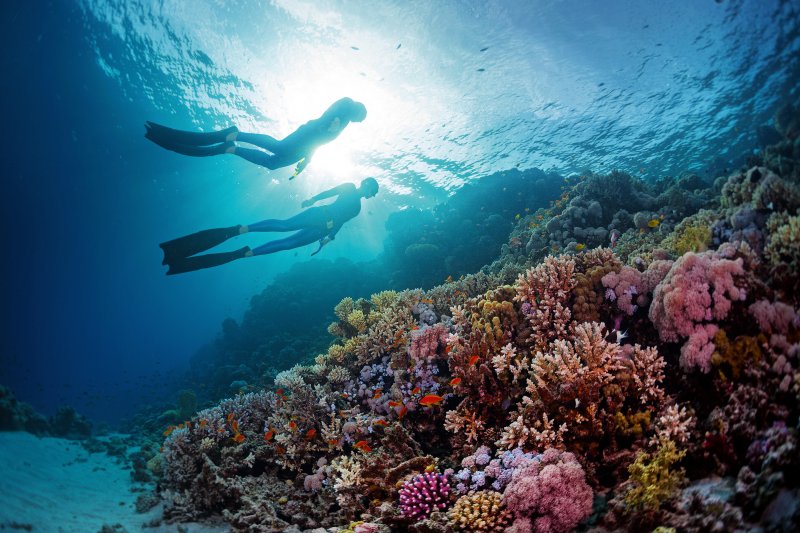
For many, the biggest attraction of breath hold diving is feeling closer to the ocean. Without bubbles or bulky gear, you glide quietly along a reef. Fish may keep feeding nearby as you pass, and you see the underwater landscape from a different perspective.
Freediving can feel surprisingly calm, too. You slow down, notice how your body feels, and let unnecessary movements go. Preparing for a dive means relaxing your muscles and setting distractions aside. That almost meditative feeling never replaces proper safety training.
Your shoulders, back, core, and legs still do plenty of work. With good technique, each kick carries you forward without wasting energy. As your skills grow, so can your body awareness, flexibility, and swimming confidence. But freediving is not simply an endurance workout. Relaxation, technique, and knowing your limits still come first.
The gear is simple, too. A mask, a snorkel for breathing at the surface, and suitable fins are often enough to get started, without the extra equipment scuba diving requires.
Fred-Buyle
Breath hold diving is not about taking the biggest breath or staying underwater for as long as possible. Good preparation starts with calm, natural breathing.
Before a dive, sit or float comfortably and let your breathing settle. Breathe gently, without forcing deep breaths or breathing rapidly. Feel your shoulders drop, your jaw loosen, and the tension leave your face. The goal is to feel comfortable and composed at the surface.
Never hyperventilate before a breath hold. Breathing excessively deeply or rapidly lowers carbon dioxide, which helps trigger your urge to breathe. That warning can be delayed even though your oxygen reserves have barely changed, increasing the risk of losing consciousness underwater without warning.
Personal bests can wait. Longer breath holds are not automatically better. Focus on technique, comfort, and safety instead of chasing numbers.
For more on safe preparation, read SSI's Beginner's Guide to Breathing for Freediving.
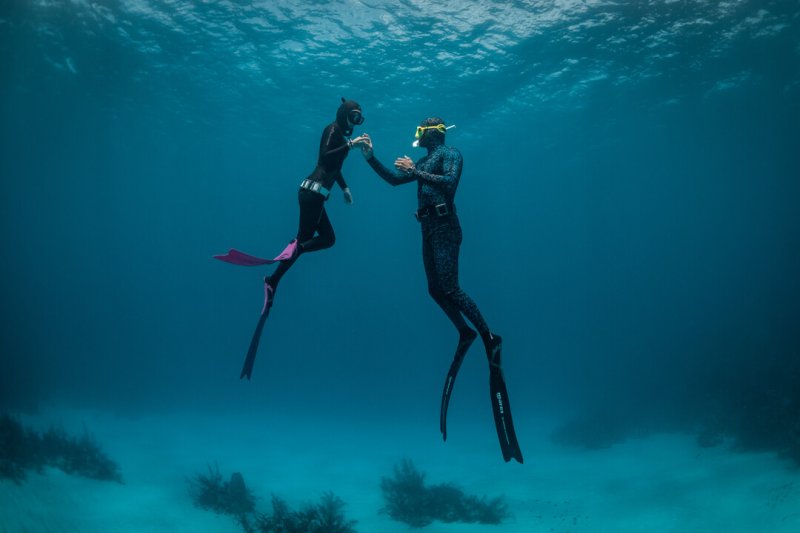
Safety starts before you descend. Never freedive alone. A trained, attentive buddy who knows freediving safety must stay close enough to respond immediately, especially as you approach the surface and when you come up.
Feeling dizzy, confused, uncomfortable, or simply unwell? End the session and rest. Skip competitive breath-holding games and repeated maximum-effort attempts. Never dive when tired, ill, dehydrated, or affected by alcohol or recreational drugs.
Never hyperventilate before a dive or ignore contractions and other warning signs to hold your breath longer. Loss of consciousness can happen underwater with little warning. Even confident swimmers need proper buddy procedures and rescue skills.
In open water, a current can tug at your fins as waves move overhead. Boat traffic, poor visibility, and cold water add risks. Choose calm, suitable sites, follow local guidance, and leave deep dives and advanced techniques until you have proper instruction.
redrag-vuckovic
For more on common risks and buddy safety, read SSI's Ultimate Guide to Freediving Safety.
You do not need much freediving equipment to get started, but fit matters. A low-volume mask sits close to your face and holds less air, making it easier to equalize as you descend.
A snorkel lets you breathe comfortably at the surface. Remove it from your mouth before descending to reduce the risk of inhaling water and make rescue easier in an emergency.
Freediving fins are generally longer and more flexible than typical snorkeling fins. Each steady kick carries you farther with less effort. Beginners can start with comfortable, well-fitting fins before investing in specialized gear.
In cooler water, a wetsuit helps keep the chill off. Trained freedivers may use a weight belt to counter its buoyancy, but weights add risks. Learn to manage your buoyancy and return safely to the surface with proper instruction before using them.
Want a closer look at the essentials? SSI's Freediving Gear: 9 Must-Have Items for Every Freediver helps you understand what to look for.
Breath hold training can begin with simple habits on land, but dry breath-hold practice still needs care. Start with calm, natural breathing and notice how your body feels as you relax. Gentle stretching can also improve body awareness and mobility.
If you practice static breath holds on land, lie down somewhere safe, never in water, and avoid maximum-effort attempts. Learn the correct approach from a qualified freediving instructor before structured training. Never practice in a bath, shower, or anywhere a blackout could cause drowning or injury.
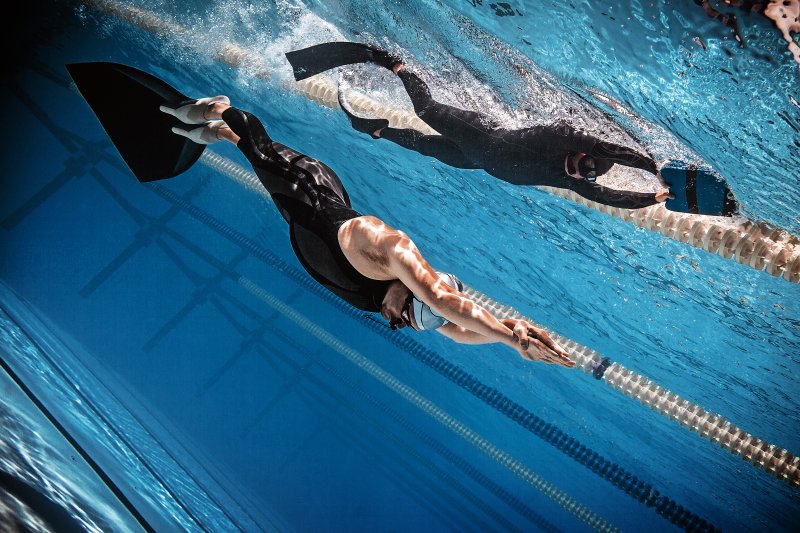
In the pool, a trained freediving buddy or instructor must supervise you. Beginner sessions cover calm surface preparation, efficient swimming, streamlining, and basic underwater movement, so each glide feels more controlled. Static apnea means holding your breath without moving, usually at the surface with your face submerged. Dynamic apnea means swimming horizontally underwater on one breath. Both demand proper supervision and safety procedures. Never attempt underwater distance challenges or breath-hold competitions independently.
Shutterstock-Benoit-Daoust
Curious how far some freedivers have gone? Meet the women behind remarkable achievements in SSI's Women Freedivers: 10 Inspirational Female Freedivers.
The safest first dive begins with a qualified instructor. SSI freediving programs build practical skills and confidence step by step, until moving underwater on a single breath starts to feel familiar.
The SSI Basic Freediver program is a freediving course for beginners covering breathing, relaxation, equipment, safety procedures, and foundational skills in a pool or confined water. As your technique improves, you can continue with further SSI freediving courses at your own pace.
A good course teaches more than longer breath holds. You learn to recognize your limits and potential problems, look out for your buddy, and make informed decisions in different aquatic environments.
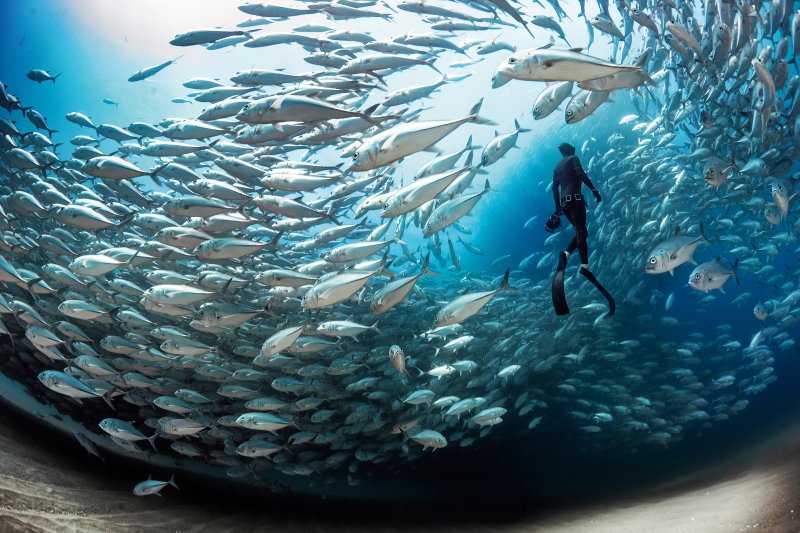
Freediving does not require extreme depths or impressive breath-hold times. Some of the best moments happen in shallow water, where you glide along a reef and watch a school of fish sweep past. For a moment, moving feels almost effortless.
Take your time, learn from a qualified instructor at an SSI Training Center, and put safety first. With the right foundations, breath hold diving can deepen your appreciation for the underwater world. Your first step is not a longer breath hold. It is learning how to freedive safely so you can enjoy the experience.