Antikythera: Scientific Diving on a 2,000-Year-Old Wreck
scuba diving
janez-kranjc
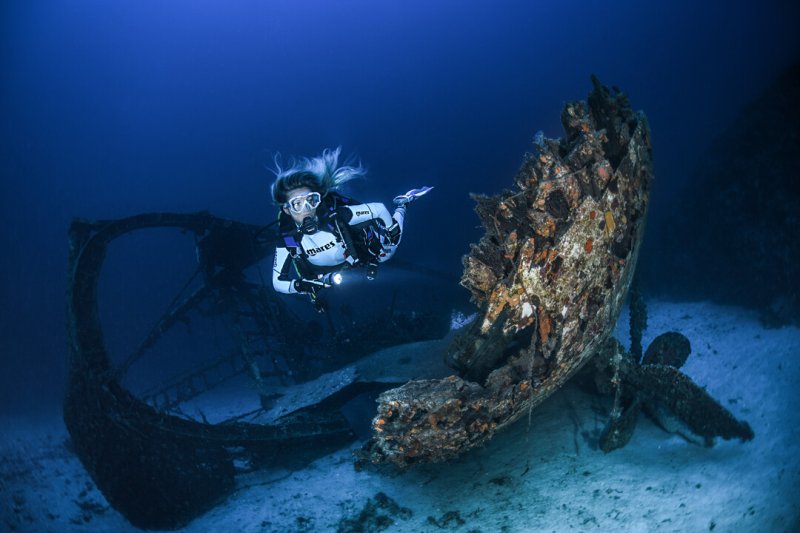
More than 2,000 years ago, a ship sank off the Greek island of Antikythera, carrying statues, cargo—and a mysterious device so advanced it would later be called the world's first analog computer. Today, that wreck still lies far below the surface, offering rare insights into ancient engineering, trade, and human ingenuity.
Reaching places like Antikythera is not a matter of curiosity alone—it requires extraordinary precision and preparation. Behind every breakthrough discovery is a carefully trained team using advanced technical and scientific diving methods to work safely and responsibly in extreme underwater environments.
In this article, Nikolas Giannoulakis, SSI Technical Instructor Trainer and Scientific Diver, explores how technical diving training enables real-world scientific missions. Using the Antikythera Shipwreck Project as a living example, he shows how divers not only reach extreme depths, but also carry out complex, high-stakes work once they arrive.
Table of Contents:
-
What Is Scientific Diving?
-
The Technical Demands of Scientific Diving
-
Antikythera: A 2,000-Year-Old Wreck Redefining Scientific Diving
-
Preparing SSI Divers for Scientific Missions
-
Why The Right Training Matters
-
The Future of Scientific Diving
In the ever-evolving world of underwater exploration, scientific diving has become one of the most challenging and rewarding applications of advanced dive training. Whether uncovering ancient shipwrecks, documenting fragile ecosystems, or mapping submerged landscapes, scientific divers rely on the precision, endurance, and safety systems made possible through technical diving.
As someone who bridges both worlds—technical diving education and active participation in high-profile scientific missions— I have seen firsthand how SSI's technical diving curriculum equips divers not just to go deeper, but to do more once they are down there.
Scientific diving demands more than just access to depth—it requires prolonged working time, controlled motion around delicate structures, and total environmental awareness.
Technical diving provides exactly that:
- Extended Range and Trimix capabilities
- Closed-Circuit Rebreather (CCR) systems
- Stage decompression & gas switching
- DPVs for efficient survey work
- Robust team protocols and redundancy
These tools enable divers to conduct complex missions such as seabed mapping, sensor deployment, sample collection, and artifact documentation—often in extreme or high-risk environments.
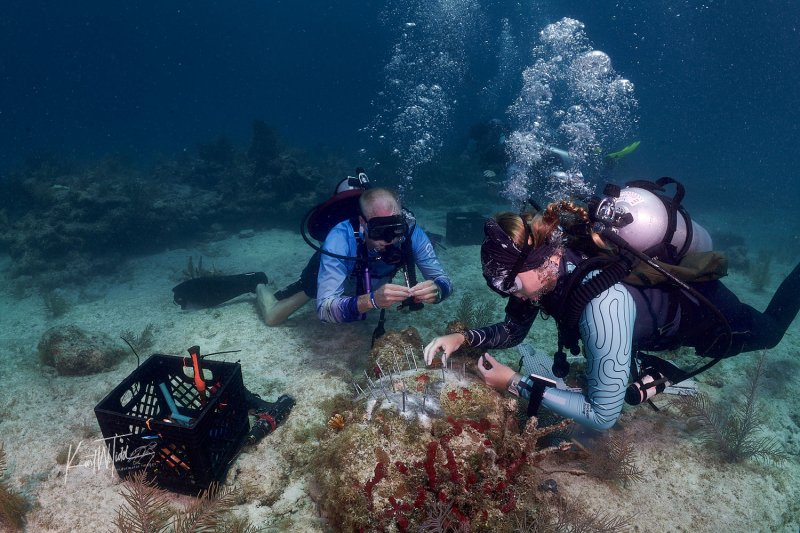
sarah-and-warren
Precise navigation and buoyancy control are essential in scientific diving operations.
A leading example of scientific diving at its finest is the internationally renowned Antikythera Shipwreck Project. While this project is not open to recreational participation, it exemplifies the vital role of technical training in real-world scientific diving.
Led by an international team of archaeologists and scientists, the Antikythera Shipwreck Project explores a 2,000-year-old Greek shipwreck. Known as the richest ancient wreck ever found, the ship was a Roman vessel from the 1st century BC carrying a huge cargo of ancient Greek statues, wine jars, and the famous Antikythera Mechanism—often called the world's first analog computer.
Divers involved in the project, including myself, utilize advanced SSI-level skills to work safely and efficiently at depths exceeding 50 meters (164 feet), performing tasks ranging from 3D site modeling to precision excavation and artifact handling under strict conservation protocols.
The lessons learned there—both in training and in the field—are now shaping best practices for scientific diving worldwide.
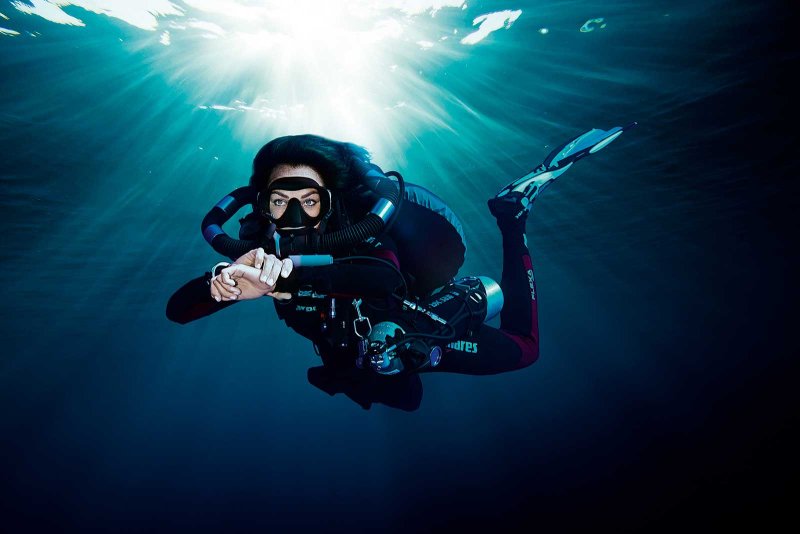
mares
Closed-circuit systems extend bottom time and reduce gas load—key for deep scientific dives.
SSI's technical programs give scientific divers the edge they need to excel in the field:
- Decompression modeling and mission planning
- Neutral buoyancy in high-sensitivity areas
- Multi-agency coordination and communication
- Task loading under pressure
- Accident prevention and emergency readiness
As an Extended Range Instructor Trainer, I emphasize real-world application. Our goal is not just competence, but confidence—whether you are conducting coral reef transects at 60 meters (196 feet) or carefully removing sediment from a centuries-old structure.
READ MORE: Diving The HMHS Britannic: The Everest of Technical Diving
Scientific diving is not just about discovery—it is about responsibility. When you are surveying a submerged landscape that has not seen the light of day in 2,000 years, every fin kick matters.
Your training, awareness, and discipline directly influence both the success of the mission and the preservation of history.
Projects like Antikythera remind us what is possible when deep training meets deep purpose. Scientific divers often collect data for use in 3D reconstructions, GIS mapping, and historical analysis.
For experienced divers drawn to science, history, or conservation, technical diving opens the door to meaningful, real-world exploration. SSI's Extended Range courses provide the precision, discipline, and situational awareness required to operate safely in demanding environments—where discovery and responsibility go hand in hand.
The future of underwater research belongs to divers who are prepared for it. Use the SSI Center Locator to connect with certified technical diving centers and instructors worldwide.
Find an SSI Technical Diving Center Near You
…………….
This article was written by Nikolas Giannoulakis, SSI Technical Instructor Trainer & Scientific Diver