Siyam World Shipwreck: Diving with a Purpose in the Maldives
scuba divingtravel
iStock-Extreme-Photographer
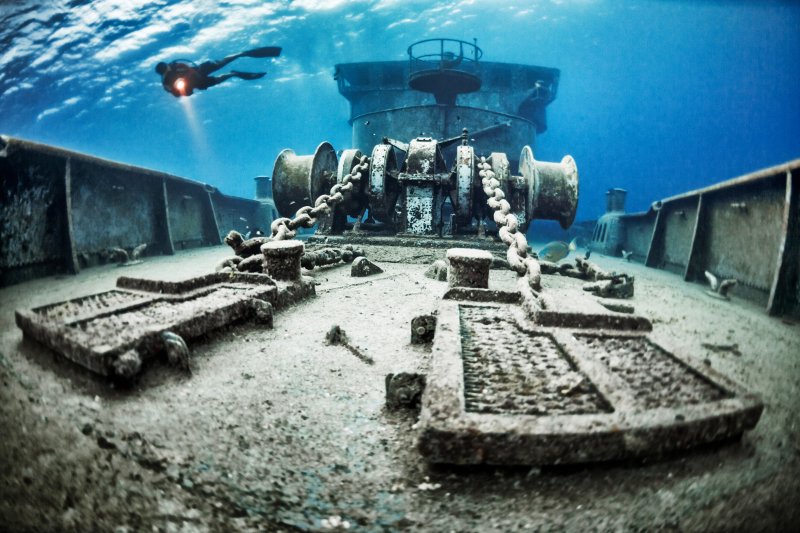
In October 2024, a 66.36-meter former Maldivian tuna freighter, built in Japan, was purposefully sunk beneath the waters of Noonu Atoll and began a very different second life. The 499-metric-ton vessel once carried Maldivian tuna between the atolls. Today, its steel hull is becoming a place where coral can settle, fish can shelter, and divers can watch a new reef take shape.
At Siyam World Maldives, the Siyam World shipwreck is more than a new wreck dive. It is the heart of Wreck to Reef, an annual conservation initiative under Sun Siyam Cares. The bow rests at 10 meters, while the stern reaches 24 meters, giving certified divers a close view of the wreck as it begins to change.
The excitement of exploring a new wreck comes with responsibility. Precise buoyancy, steady trim, and sharp situational awareness protect both the diver and the new coral growth taking hold on the steel. That is diving with a purpose. The thrill comes from exploring the wreck; the purpose lies in protecting the reef beginning to form around it.
Table of Contents:
-
What Is the Wreck to Reef Initiative?
-
How the Siyam World Shipwreck Was Sunk with Purpose
-
Marine Life at the Siyam World Shipwreck
-
Diving with a Purpose: Coral Planting and Reef Monitoring
-
Why Training Matters for Conservation Diving
-
The Future of the Siyam World Shipwreck
-
Dive Deeper
Wreck to Reef launched in June 2026 as an annual conservation initiative centered on long-term reef restoration. Resort Marine Biologist Mariyam Thuhufa, known as Thuhu, leads the work. Her team follows the natural coral growth on the wreck and supports it through coral planting, biodiversity surveys, and regular reef monitoring.
The Siyam World shipwreck gives divers something rare: the chance to return to the same steel structure and see a reef form in front of them. A coral fragment fixed to the wreck today may become shelter for reef fish years from now. Every species record adds another piece to that story. That is the real value of diving with a purpose: you leave the water, but your contribution remains on the wreck and keeps growing.
Placing a vessel this large on the seabed took years of planning. The idea began in 2021, when Sun Siyam Group Founder and Chairman Hon. Ahmed Siyam Mohamed shared his vision for a dive site that could also support the marine environment. The former tuna freighter was sourced, cleaned, prepared, approved, and purposefully sunk in October 2024.
But the wreck did not settle as planned. Trapped air caused the vessel to settle upside down on the seabed. A skilled local team from Miladhoo spent weeks using giant air bags and ropes to turn the 499-metric-ton wreck upright. Now the bow points toward the reef at 10 meters and the stern falls away to 24 meters. The Siyam World shipwreck finally rests in the position intended for divers, coral growth, and a future reef ecosystem.
The wreck did not stay empty for long. Marine life moved in quickly, and the first records already show how much activity the structure has attracted:
- Sharks and rays: Guitar sharks, blacktip reef sharks, nurse sharks, lemon sharks, grey reef sharks, eagle rays, and stingrays.
- Reef life: Napoleon wrasse, turtles, moray eels, groupers, snappers, boxfish, batfish, and angelfish.
- Macro life and schools: Nudibranchs, octopus, and large schools of jackfish.
Soft and hard corals have also started to colonize the steel. For Maldives wreck diving, that growth changes the experience completely. One visit may reveal bare plates and clean edges; the next may show coral spreading across the same surface, with fish holding close to the new shelter. The Siyam World shipwreck is becoming a dive site that rewards return visits.
Wreck to Reef turns conservation diving into something guests can see and take part in. The initiative brings together three practical areas of work:
- Guided coral planting: During guided sessions, guests can help place coral fragments directly on the wreck, supporting new growth and future habitat for marine life.
- Reef monitoring: Thuhu and the marine team assess coral growth, biodiversity, and the development of the ecosystem every three months.
- Community engagement: The inaugural June 2026 program also included local island visits, beach and reef cleanups, and other activities that brought guests and nearby communities into the wider conservation story.
During a guided session, coral planting in the Maldives becomes tangible: a small fragment in your hand, the steel below, and the knowledge that it may keep growing after you return to shore. You carry the memory home; the fragment stays on the wreck and becomes part of the reef.
Working close to newly planted coral calls for steady, careful diving. Precise buoyancy, stable trim, controlled propulsion, and constant awareness of the structure and the divers around you help protect fragile growth and keep survey and planting dives safe.
The SSI Wreck Diving Specialty builds the knowledge and in-water skills needed for safe non-penetration dives around wrecks and artificial reefs to depths of up to 30 meters. The SSI Marine Ecology Specialty explains how ocean organisms interact with each other and their environment, helping divers understand what they are observing on the wreck instead of simply swimming past it.
Siyam World's initiative reflects a core SSI belief: strong training helps divers move through the water with greater control, awareness, and respect for the ocean. Careful observation, accurate documentation, and solid in-water skills all support the project's long-term success.
Before traveling, check that your dive and travel coverage matches the activities you plan. SSI partner DiveAssure offers diving accident and dive-travel insurance. Review the available plans and policy details before booking so the coverage matches your destination and planned activities.
Good conservation diving begins long before the first descent, with skills you can rely on, a plan that fits the site, and respect for what is beginning to grow below.
Wreck to Reef was never meant to end after one launch event. The plan is to document the wreck, support its coral growth, and invite divers back to follow the changes. As Sara, Director of Marketing at Sun Siyam Resorts, explained, Wreck to Reef is “the beginning of a long-term commitment to reef restoration, ocean conservation, and meaningful guest participation.”
That future is already visible in the first coral growth and the marine life gathering around the hull. The Siyam World shipwreck will not look the same in one year, five years, or ten. Divers who return will be able to read that change across the steel, one coral patch and one new resident at a time.
Ready to plan your own dive with a purpose? Explore Noonu Atoll diving on Scubago to compare local dive centers and trip options. Then use the SSI Center Locator to find an SSI Professional who can help you prepare with Wreck Diving or Marine Ecology training.