Scuba Diving in Okinawa: 10 Reasons to Make It Your Next Trip
scuba divingtravel & tours
Predrag-Vuckovic
If you are dreaming of your next tropical dive adventure, look no further than Okinawa. This chain of subtropical islands in southern Japan is a hidden gem for scuba divers, offering everything from crystal-clear waters and stunning coral reefs to haunting WWII wrecks and encounters with rare marine life. Beyond the water, Okinawa charms visitors with its rich Ryukyu heritage, delicious cuisine, and laid-back island atmosphere. Whether you are a new diver or a seasoned pro, scuba diving in Okinawa combines cultural intrigue with unforgettable underwater exploration. Here are the best reasons to add it to your dive bucket list.
Scuba diving in Okinawa offers a rare blend of warm waters, vibrant marine life, historic wrecks, and rich island culture. Whether you are after tropical reefs, pelagic encounters, or underwater caves, this island chain is one of Asia’s most underrated dive destinations.
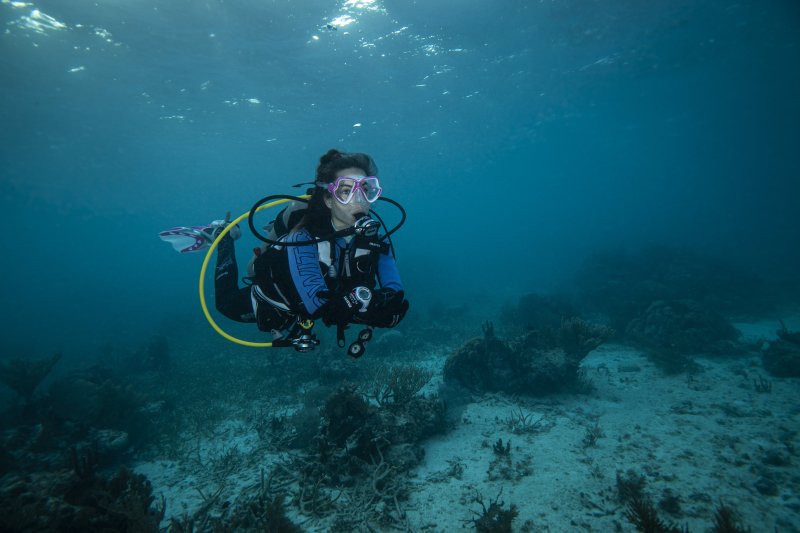
One of the biggest draws of scuba diving in Okinawa is the incredible visibility and thriving coral ecosystems. The waters around Okinawa often offer 20-30 meters (66-98 feet) of visibility, with some sites reaching up to 50 meters (164 feet) on calm days. The warm Kuroshio Current brings nutrient-rich water that supports more than 200 species of coral, including both hard and soft varieties.
You will find coral gardens exploding with color, home to butterflyfish, clownfish, parrotfish, and turtles. Sites like Maeda Blue Cave on Okinawa’s main island and the outer islands of Kerama are particularly popular for their healthy coral coverage and stunning light conditions.
For history buffs, scuba diving in Okinawa also offers a haunting look back in time. The waters around the islands are dotted with shipwrecks and remnants from World War II. These wrecks are now thriving artificial reefs, offering both cultural interest and marine biodiversity.
One notable wreck is the USS Emmons, a 106-meter (348-foot) American destroyer sunk off the coast of Kouri Island. Resting at a depth of about 40 meters (131 feet), this site is ideal for experienced divers seeking a deeper and more technical adventure. Exploring these sunken relics gives divers a moving glimpse into Okinawa’s wartime past and how nature has reclaimed the metal giants of the sea.
Scuba diving in Okinawa offers the chance to encounter some of the ocean’s most charismatic creatures. Manta rays are a highlight, particularly around Ishigaki Island, where they congregate at Manta Scramblebetween April and October. Watching these graceful giants glide through the water is an unforgettable experience.
For those hoping to spot larger predators, hammerhead sharks can be seen around Yonaguni Island, especially during the winter months. These dramatic, schooling sharks are often spotted in depths of 30-40 meters (98-131 feet), making this an advanced dive that rewards confidence and calm underwater skills. Nudibranch lovers and macro photographers will also enjoy Okinawa’s abundance of rare critters in the coral and sand.
Need a cool new dive location? Look no further: Diving Christmas Island: The Galapagos of the Indian Ocean
Thanks to its southern location, Okinawa enjoys a warm climate and temperate seas throughout the year. Average water temperatures range from 21°C (70°F) in winter to 29°C (84°F) in summer, making scuba diving in Okinawa possible in all seasons. While summer brings warm water and the calmest surface conditions, winter offers excellent visibility and fewer tourists.
Divers can comfortably enjoy long dive days with just a 3mm wetsuit in the warmer months, while a 5mm suit is often enough for winter diving. The pleasant climate and mild sea conditions are ideal for divers who want to avoid the chillier Pacific or the more crowded dive spots in Asia.
Between dives, Okinawa’s local cuisine is a joy to explore. Distinct from mainland Japanese fare, Ryukyuan dishes draw from Chinese and Southeast Asian influences, offering bold, savory flavors. Dishes like goya champuru (stir-fried bitter melon with tofu and pork), Okinawa soba (a thick noodle soup), and fresh sashimi make for delicious post-dive meals.
Local markets like the Makishi Public Market in Naha offer a chance to sample regional produce and seafood, or pick up local specialties such as beni-imo (purple sweet potato snacks) and mozuku seaweed. For foodies, the culinary scene is reason enough to visit, even without the diving.
Scuba diving in Okinawa also offers a cultural experience unlike anywhere else in Japan. The islands were once the independent Ryukyu Kingdom, and their traditions remain distinct today. From vibrant Eisa drum dances and Shisa lion statues to unique architecture and ancient castle ruins, the culture here is steeped in history.
After a day of diving, you can explore UNESCO World Heritage Sites like Shurijo Castle or take part in local festivals celebrating Ryukyu heritage. The warm hospitality of the Okinawan people and the relaxed island pace make it easy to unwind and connect with a different side of Japan.
Okinawa is made up of over 150 islands, many of which offer remote, untouched natural beauty. For divers, this opens up countless opportunities for exploration. The Kerama Islands, just a short ferry ride from the main island, are known for their turquoise lagoons, white sand beaches, and vibrant dive sites teeming with life.
Further afield, the Yaeyama Islands, including Ishigaki and Iriomote, offer mangrove forests, jungle hikes, and world-class diving far from the crowds. Adventurers can trek to waterfalls, kayak through coastal caves, and relax in hot springs between dive days. With so many islands to explore, you can pair diving with a broader nature-based journey.
Have you heard of this cool dive location?: Why Diving Tulamben Should Be On Your Bucket List
Whether you have just earned your diving license or you are working on your SSI Divemaster certification, scuba diving in Okinawa caters to every level. Many shallow coral gardens and sandy-bottomed lagoons provide calm, safe environments for beginner dive courses. At the same time, advanced sites, like deep wrecks or drift diving in strong currents, offer exciting challenges for experienced divers.
With dozens of SSI training centers throughout the region, you can easily complete your certification, specialty courses, or even just enjoy guided fun dives. Families traveling with children will also find SSI Explorers and Junior Open Water programs available in English at select dive shops.
Looking for a dive center in Japan? Click here to explore dive centers in Japan using the SSI Center Locator - filter by location, language, and certification level to find your perfect match.
Okinawa’s geology adds a dramatic flair to its underwater landscapes. From natural arches and swim-throughs to mysterious caves, divers are often treated to surreal topography shaped by ancient volcanic activity and limestone erosion. Maeda Point on the main island is famous for its “Blue Cave,” where sunlight filters through the entrance to create an ethereal blue glow.
Further west, Yonaguni Island is home to the controversial Yonaguni Monument, submerged rock formations that some believe are remnants of a lost civilization. Whether you view them as natural or man-made, they provide a stunning and unusual dive unlike any other.
Diving in Japan, and especially in Okinawa, offers more than great underwater adventures; it offers a stress-free vacation experience. Japan’s reputation for safety, cleanliness, and efficiency extends to these islands, making travel easy and enjoyable for divers of all backgrounds. The public transport system is reliable, and most dive shops offer pick-up services or are located in tourist-friendly areas.
While English is not as widely spoken as in other Asian dive hubs, many SSI training centers provide instruction in English, and signage in key areas is tourist-friendly. Combine that with low crime rates, warm hospitality, and easy access from major Asian cities, and you have an ideal dive getaway.
Whether you are drawn by the lure of manta rays, fascinated by WWII history, or simply looking for your next tropical escape, scuba diving in Okinawa delivers on every front.
Use the SSI Center Locator to explore certified dive centers across Japan and start planning your Okinawa scuba adventure.