Conservation Success Stories: 10 Inspiring Comebacks
ecology
Shutterstock-Stas-Moroz
It is easy to feel overwhelmed by headlines about coral bleaching, plastic pollution, and declining wildlife populations. These challenges are real, but they are only part of the story. Around the world, scientists, communities, volunteers, governments, and ocean advocates are proving that recovery is possible. Many of these successes receive less attention, yet offer genuine hope for the future. These conservation success stories show what can happen when people protect ecosystems with science, cooperation, and long-term commitment.
Table of Contents:
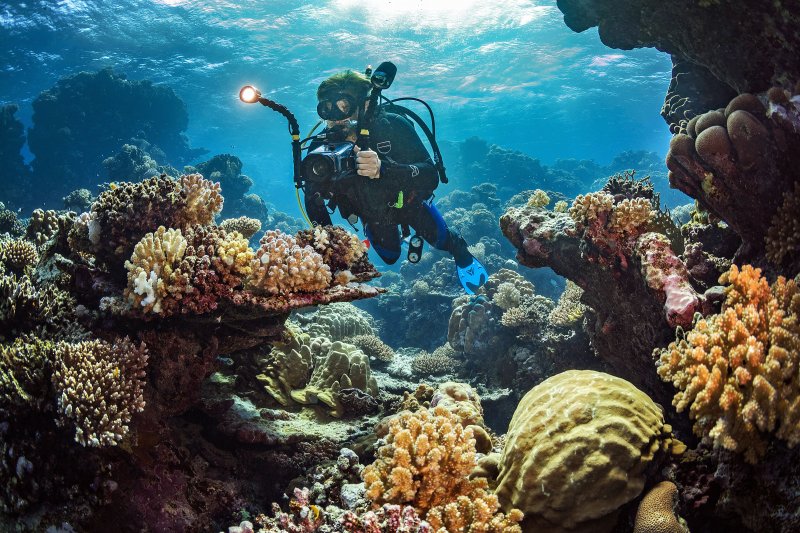
An inspiring conservation success story comes from South Sulawesi, Indonesia, where damaged reefs are coming back to life through the Mars Assisted Reef Restoration System. Instead of waiting decades for coral to recover naturally, divers and marine scientists stabilized loose reef rubble with sand-coated steel Reef Stars before attaching healthy coral fragments.
Over the years, thousands of coral colonies have become established. Slowly, the steel disappears beneath living coral, and fish, crustaceans, octopuses, and other marine life move back across areas that were once degraded. The restored reefs also support healthier fisheries and help protect nearby coastlines from erosion. It is a powerful example of how successful conservation projects can help nature recover faster without replacing natural reef processes.
Pakistan has quietly become home to one of the world's largest mangrove restoration efforts. Along the coast of Sindh Province, millions of mangroves have been planted and degraded habitats protected, turning stretches of shoreline green again.
Beneath the tangled roots, young fish find shelter and nursery habitat. The expanding forests stabilize coastlines, improve water quality, store carbon, and help soften storm surges. Healthier mangroves also support local fisheries.
This is one of those conservation success stories that shows how restoring one coastal ecosystem can protect wildlife, strengthen shorelines, and support the communities that depend on them.
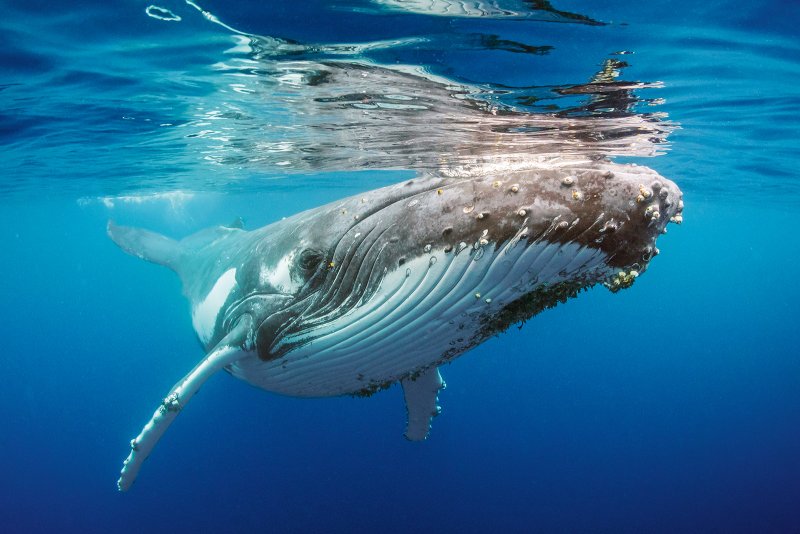
Commercial whaling drove many humpback whale populations down to a fraction of their former numbers. Today, after decades of international protection, whales are returning to waters where they had become far less common.
Across Australia, the North Atlantic, and the eastern Pacific, many humpback populations have risen strongly over recent decades. In carefully managed locations, divers and snorkelers now have more chances to watch a dark silhouette move through the blue, followed by the slow sweep of a tail disappearing into deeper water.
Entanglement, ship strikes, and climate change still threaten some populations. Their recovery is not complete, but it remains one of the clearest marine conservation success stories, showing what long-term protection can achieve.
Divers see damage underwater firsthand. The SSI blog Conservation in Action: How Divers Can Protect The Ocean shares practical ways to turn that awareness into action.
adobestock-magnus
Zakynthos has long been an important nesting ground for loggerhead sea turtles. Protected beaches, seasonal restrictions, monitoring, and education have helped keep nesting numbers strong for three consecutive years through 2025.
Visitors can witness turtle conservation firsthand, but turtles and hatchlings need space. Managed guidelines help reduce disturbance, so tracks in the sand, protected nests, and hatchlings moving toward the water can remain part of a living beach.
Zakynthos shows how tourism and wildlife protection can share the same coastline. It remains one of Europe's encouraging wildlife conservation success stories, even as ongoing habitat pressure makes continued protection essential.
Along Mexico's Baja California Peninsula, Cabo Pulmo was once heavily overfished. Local residents chose reef protection rather than watch fish numbers keep falling, helping turn a depleted reef into one of the clearest marine recoveries ever documented.
Within a few decades, fish biomass surged and reef predators returned. Today, divers descend into water filled with life. Schools of fish gather so tightly they can turn the blue into a moving wall, as groupers, jacks, reef sharks, and sea turtles cruise through the reserve.
Cabo Pulmo shows what can happen when a community protects its own waters and stays committed long enough for the ocean to respond.

Fred-Buyle
Across Fiji, many coastal villages have revived traditional marine management through locally managed marine areas. Temporary tabu fishing closures give the reef a break, allowing it time to recover before regulated harvesting resumes.
Scientific monitoring has documented stronger fish populations in well-managed areas. Beneath the surface, more fish move between coral heads and across reef habitat that local families have chosen to protect.
These community-led conservation success stories show what can happen when traditional knowledge and marine science come together. The reef gets time to recover, and coastal families can continue relying on the waters they have helped protect.
A ghost net can keep fishing long after the boat that lost it has disappeared. Along Australia's northern coastline, Indigenous ranger groups and conservation organizations have spent years finding and removing this abandoned fishing gear.
Caught on the seabed or drifting through the water, the mesh can become a trap for sea turtles, sharks, rays, dolphins, dugongs, and fish. Every net removed takes one of those traps out of the ocean.
The work also helps trace where lost fishing gear comes from, giving governments and industries better information to prevent more nets from entering the water in the first place.
Healthy oyster reefs do far more than provide seafood. As oysters feed, they filter the water around them, helping improve clarity as their reefs create shelter for fish, crabs, and other estuary life.
Large-scale restoration across Chesapeake Bay has rebuilt sections of historic reef using prepared substrate and hatchery-raised oysters. One oyster settles beside another, then another, until bare bottom slowly becomes living reef habitat again.
These expanding reefs support biodiversity and help restore one of North America's most important estuaries. It is another conservation success story taking shape shell by shell across Chesapeake Bay.
Palau has protected approximately 80 percent of its exclusive economic zone from commercial fishing, creating one of the world's largest marine protected areas. Across this vast stretch of ocean, marine habitats are protected from commercial fishing pressure.
These protected waters include areas used by sharks, tuna, and other pelagic species, and designated waters continue to support local fisheries. For divers, that commitment becomes tangible below the surface in healthy reefs and waters rich with marine life.
Protecting such a large part of the ocean can help safeguard entire marine ecosystems for the future.
If diving in Palau is now on your list, Scubago's Palau destination guide helps you explore dive regions and local options for the trip.
Want to do more to protect the ocean? Top 10 Ways Divers Can Get Involved in Marine Conservation shares practical ideas for your next dive.
iStock-Global_Pics
Not all conservation success stories begin in the ocean.
Across several European countries, carefully managed beaver reintroductions are restoring wetlands that can improve water quality before rivers eventually reach the sea. As beaver dams slow the flow, they can reduce flooding, trap sediment, and create wetland habitat for amphibians, birds, insects, fish, and aquatic plants.
Healthier rivers and wetlands can also benefit coastal ecosystems by improving the quality of freshwater flowing into estuaries.
This final example reminds us that protecting oceans can begin much farther inland than many people realize.
Learning about conservation success stories is inspiring, but divers can also become part of them. Underwater, we see the difference up close, from healthy coral alive with fish to reefs scarred by damage or litter caught where it does not belong.
Choosing responsible dive operators, keeping steady buoyancy, reducing single-use plastics, joining underwater cleanups, and respecting wildlife all make a difference. Around fragile reefs, even a fin or dangling piece of equipment can get too close. The SSI Perfect Buoyancy Specialty helps you refine buoyancy and trim so you can move above the reef with more control and keep clear of coral.
SSI offers Ecology Specialty programs including Marine Ecology, Coral Identification, Shark Ecology, Sea Turtle Ecology, Marine Mammal Ecology, Fish Identification, and Marine Invertebrate Ecology. Many can begin digitally, helping you understand what is happening around you underwater, from the coral beneath you to the animals moving across the reef.
Use the SSI Center Locator to find a local SSI Training Center and choose an ecology program or conservation-focused dive experience that fits what you want to understand better underwater.
predrag-vuckovic
When environmental news is dominated by loss, these conservation success stories remind us that recovery is happening too. Coral reefs are growing again, wildlife is returning, wetlands are expanding, and communities are seeing what years of protection can achieve.
None of these achievements happened overnight. They took patience, science, cooperation, and years of commitment. That slow recovery is exactly what makes them so inspiring, because it shows how much can change when ecosystems are given time and protection.
The next time you enter the water, remember that healthier oceans are already taking shape around the world. Damaged reefs are coming back to life, protected waters are filling with marine life again, and coastal habitats are recovering. It happens one reef, one mangrove forest, one protected habitat, and one dedicated community at a time.