Algae bloom kills farmed salmon in Norway
environmentmarine lifenorwayalgae bloomaquaculture
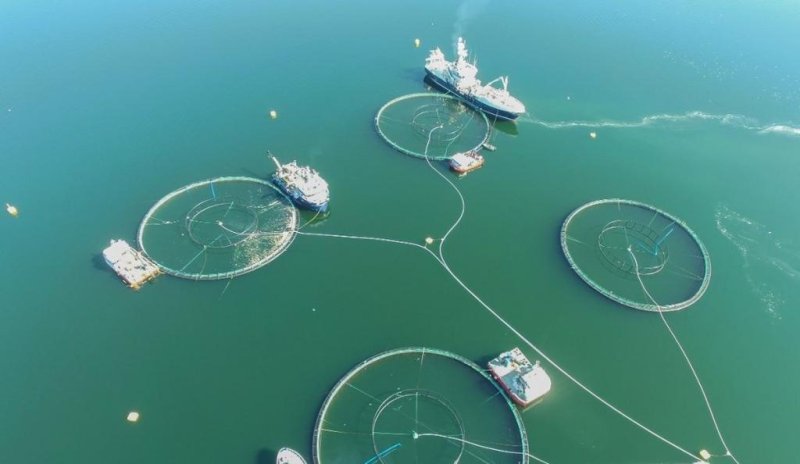
The salmon farm Ballangen sjøfarm was hit hard by the algae bloom (c) Ballangen sjøfarm (with permission)
So-called "killer gene" in northern Norway threatens aquaculture Malignant bloom of the alga Chrysochromulina leadbeateri, which is widespread on the Norwegian coast, have led to the death of salmon in farmed farms in the counties of Nordland and Troms Microalgae are generally harmless to other marine life and an important part of the food chain. They are the "grass" of the ocean, which forms the basis for marine food chains. "However, a few micro-algae species are described as harmful, and some of them can cause the death of fish and other marine organisms," explains Lars-Johan Naustvoll, marine researcher and algae expert. In Norway, marine life was mainly killed by algal blooms of the species Chrysochromulina leadbeaterii, Prymnesium polylepis (formerly known as Chrysochromulina polylepis), Prymnesium parvum, Pseudochattonella farcimen and Karenia mikimotoi (Gyrodinium aureolum). It has now been proven that the first of these algae species was responsible for the recent death of farmed fish in Nordland and Troms. Chrysochromulina leadbeaterii is a type of phytoplankton that floats freely in the water. The relatively common species can often be observed in spring, but usually only in small quantities. In this case, it is only part of the large variety of microalgae in coastal waters. The algae is very rare in large quantities, which are called flowers, which can lead to fish mortality. "The species then turns from the natural part of the phytoplankton to the algal bloom," explains Naustvoll. "Wild fish swim away from the fjord or into deeper waters when these flowers occur, but farmed salmon can escape impossible, so die the fish," said Naustvoll on. Studies indicate that this type of algae excretes hemolytic compounds. If these come into contact with the gills of the fish, they cause damage that can lead to the fish not absorbing enough oxygen and finally dying. At moderate concentrations, below the lethal level, algae can cause changes in fish behavior. They then float to the surface and gasp. It is not the first time that this algae species has been linked to the death of salmon in this part of Norway. There was a big flowering in May and June 1991 and a smaller one in May 2008. By observing behavioral changes and fish deaths, scientists can form an idea of where the flowers are occurring. "We monitor the situation closely by collecting data from the affected areas, and by combining this information with models of ocean currents, we try to inform fish farmers about where algal blooms will go, but we can not guarantee that Spreading algae to the locations indicated in our forecasts There are many factors involved, "says Naustvoll. "Algae consume inorganic nutrients, which reduces the amount of algae with increasing nutrient use," explains Naustvoll. Algae blooms that "stick" in fjords tend to consume the inorganic nutrients and then die off. However, when the algae are transported to areas where nutrients are present, they can continue to bloom.
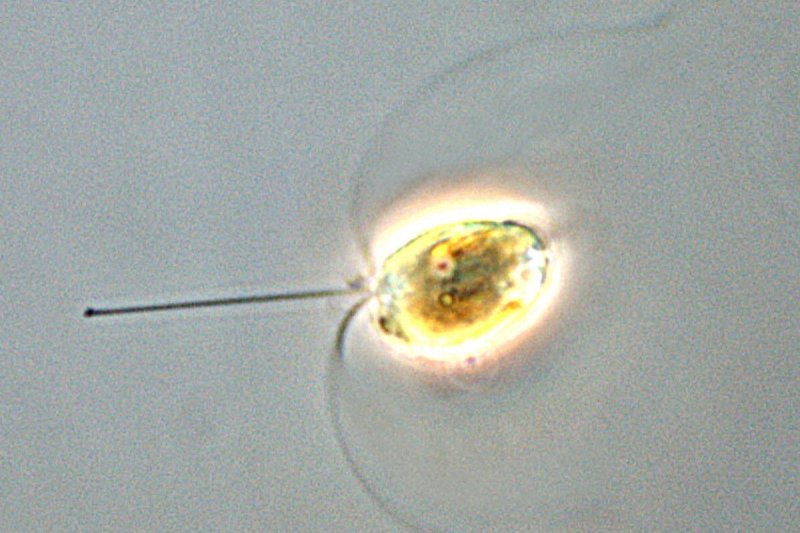
Algae of the genus Chrysochromulina have been associated with the death of salmon in northern Norway. Several species of this genus have caused fish mortality in Norwegian waters (c) The Institute of Marine Research
Cet article a été traduit automatiquement et peut contenir des inexactitudes mineures ; veuillez vous référer à la version anglaise originale en cas de doute.