Diving in Tobermory: Explore Canada's Wreck Diving Mecca
scuba divingfreedivingextended rangemermaidtravel & tours
janez-kranjc
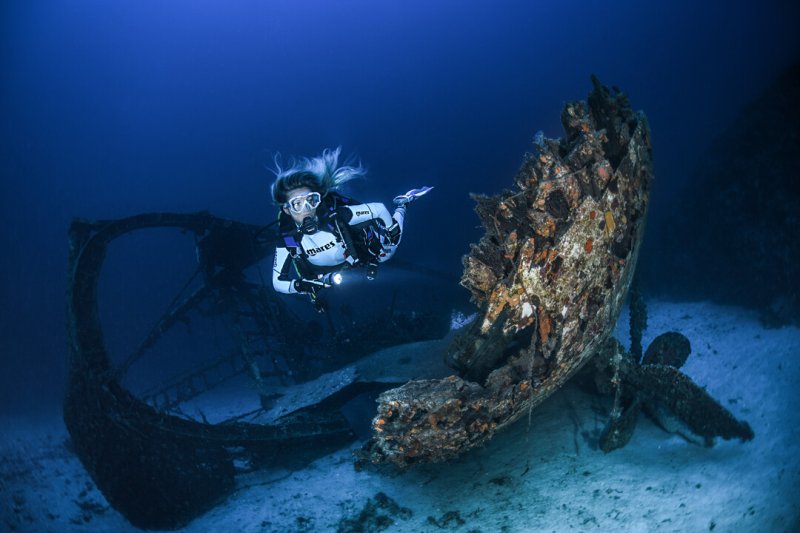
At the northern tip of the Bruce Peninsula in Ontario lies one of Canada's most iconic underwater destinations. Known as the country's wreck diving capital, diving in Tobermory offers an unforgettable combination of history, adventure, and natural beauty.
Home to the Fathom Five National Marine Park, this region is a dream for divers - thanks to its crystal-clear freshwater, dramatic glacial landscapes, and remarkably well-preserved shipwrecks.
Whether you are a beginner hoping to explore your first schooner or an advanced diver drawn to deep, challenging wrecks, diving in Tobermory delivers a world-class experience right in the heart of Canada.
What sets diving in Tobermory apart is its rare blend of accessibility, visibility, and historical depth. Unlike many wreck diving destinations, Tobermory offers world-class sites just minutes from shore, many within recreational diving limits. The cold, clean waters of Lake Huron preserve wrecks in exceptional condition, allowing divers to experience wooden hulls, masts, and maritime details that have vanished elsewhere.
Paired with Tobermory's dramatic underwater geology - cliffs, overhangs, and glacier-carved formations – it is a destination that combines visual beauty with a sense of timelessness few dive sites can match.
Fathom Five National Marine Park boasts more than 20 shipwrecks, each with its own story etched into Canadian maritime history. These vessels lie scattered across the seabed at various depths, offering something for every skill level.
One of the most iconic is the Sweepstakes, a 119-foot schooner built in 1867. Sitting in just 20 feet (6 meters) of water in Big Tub Harbor, this remarkably intact wreck is perfect for beginners, snorkelers, or anyone new to wreck diving.
For more advanced divers, the Arabia is a thrilling dive. This three-masted barque, built in 1853, sank in 1884 and now rests upright at around 105 feet (32 meters). Though colder and darker at depth, the Arabia offers hauntingly beautiful visuals, with its bowsprit still intact and its hull preserved thanks to the chilly temperatures.
The Niagara II, a former sand sucker intentionally sunk in 1999 as an artificial reef, offers an exciting and accessible wreck experience. Resting at about 90 feet (27 meters), this site is outfitted with penetration lines and swim-throughs, making it a popular training site for advanced wreck diving courses.
Another wreck not to be missed is the Forest City, a steamer that crashed into the cliffs of Bear's Rump Island in 1904. With a sloping profile from 60 feet (18 meters) to more than 150 feet (45+ meters), this dive presents challenges in depth and current, suitable only for experienced and properly certified divers.
Would you like to dive with playful seals? Read this: Diving the Farne Islands: Scotland's Best Grey Seal Dive
One of the standout features of diving in Tobermory is the diversity of sites for different skill levels. Newer divers or families with junior-certified divers can enjoy shallow wrecks like the Sweepstakes, City of Grand Rapids, or the Charles P. Minch. These sites are often reached via easy boat trips or even from shore. Intermediate and advanced divers, meanwhile, can access deeper wrecks like the Niagara II, Forest City, and Arabia, but proper training is essential.
Many local SSI dive centers offer advanced wreck and deep diving courses to help divers safely explore the park's more challenging wrecks. Taking these courses not only builds confidence but ensures divers are equipped to handle the cold, dark, and sometimes high current conditions that come with deeper sites. With the right training and guidance, diving in Tobermory becomes both safe and rewarding - even for newer wreck divers
What sets Tobermory apart from other freshwater dive locations is its fascinating underwater topography. Carved by glaciers thousands of years ago, the seabed features dramatic cliffs, ledges, and crevices that resemble mini underwater canyons. Divers can explore rock chimneys, overhangs, and steep drop-offs while navigating through forests of aquatic vegetation. These features do not just add visual appeal; they also provide hiding places for fish and create a feeling of real exploration.
One of the most prized aspects of diving in Tobermory is the visibility. On a good day, divers can expect 40 to 80 feet (12 to 24 meters) of clarity; a rarity in freshwater environments. The clear water is thanks to the low nutrient load and cold temperatures of Georgian Bay, which limit algae growth.
However, cold-water diving poses challenges. Water temperatures range from 50-60°F (10-15°C) in summer at the surface and drop to around 39°F (4°C) at depth year-round. Thermoclines are common, and deeper dives often mean sudden temperature changes. These conditions require appropriate gear and training for safe and comfortable exploration.
New to cold-water diving? Start here: Tips and Tricks to Enjoy Cold Water Diving
Though diving in Tobermory does not offer the colorful coral reefs of tropical destinations, its freshwater ecosystem holds a unique charm. Divers will encounter species such as lake trout, smallmouth bass, yellow perch, round gobies, and the occasional freshwater sculpin. Schools of fish often cruise near the wrecks, taking shelter among the timbers and hulls. Aquatic plants like milfoil and chara sway gently in the currents, creating an almost ethereal underwater landscape.
The diving season in Tobermory runs from late May to early October, with July and August offering the warmest surface conditions and calmest waters. These summer months are also the busiest, so early bookings are recommended. September, while cooler, offers excellent visibility and fewer crowds.
Surface temperatures can range from 55°F to 70°F (13-21°C) during summer, but deeper sites remain cold year-round. Visibility is generally best from mid-summer to early fall, after spring runoff has subsided and before autumn winds churn the bay. For the best visibility and comfort, most divers prefer diving in Tobermory during midsummer and early autumn.
Have you heard of the Azores? Check out this marine megafauna hotspot here: Diving the Azores: The Wild Heart of the Atlantic
Diving in Tobermory requires proper preparation for cold water environments. A well-fitted drysuit is essential for most dives, especially deeper wrecks like the Arabia and Forest City. Drysuit diving requires training, which is available through SSI's Dry Suit Diving specialty course.
Cold water regulators (designed to prevent free flow) are a must, as are insulated hoods and gloves. It is also wise to carry a dive computer capable of handling multi-level profiles and deep dives. For those interested in exploring inside wrecks, SSI's Wreck Diving and Deep Diving specialties provide the skills needed to safely enjoy these experiences.
Tobermory is accessible by car from major cities like Toronto (approximately 4-5 hours) and Detroit (6-7 hours). The drive is scenic, especially once you enter the Bruce Peninsula region, and well worth the effort.
Once in town, several SSI training centers operate out of Tobermory's harbor area, offering courses, guided dives, equipment rentals, and air fills. Popular options include charter boats that run daily trips to wreck sites within the marine park. You can find the perfect training center by using the SSI Center Locator.
Accommodation ranges from rustic campsites and family-run motels to cozy bed and breakfasts. Many divers also stay in rental cottages along the shore. Booking in advance is essential during peak season, especially for weekend visits or dive group trips.
Fathom Five National Marine Park is Canada's first national marine park, created to protect the area's cultural and natural heritage. All divers must adhere to park regulations, which include dive permits, mooring buoy use, and strict "no touch, no take" policies. Anchoring on wrecks is prohibited, and marine life must not be disturbed.
Local dive centers actively support conservation through diver education, clean-up events, and sustainable dive practices. SSI's Marine Ecology specialty course is a fantastic addition for divers wanting to deepen their understanding of freshwater ecosystems and their role in conservation.
Care about dive site conservation? Learn more: 10 Ways to Become an Eco‑Diver
Tobermory is not just for divers. Non-divers in your group will find plenty to explore topside. One of the most popular attractions is Flowerpot Island, accessible by boat and famous for its towering sea stacks, hiking trails, and crystal-clear swimming coves. Nearby, the Grotto is a breathtaking natural sea cave that draws visitors from across the province.
Hiking the Bruce Trail, which winds through the Bruce Peninsula National Park, offers stunning cliffside views of Georgian Bay. You can also kayak, paddleboard, or visit the local shops and restaurants in Tobermory village.
Tobermory is more than just a cold water dive destination; it is a world-class wreck diving mecca steeped in history, geology, and natural beauty. Whether you are a new diver looking to explore your first shipwreck or an experienced cold water enthusiast seeking your next challenge, diving in Tobermory offers unforgettable experiences.
Find the right training, gear, and support by connecting with local SSI dive centers. Whether you're new to cold water or planning your next advanced wreck dive, trusted professionals in Tobermory can help you dive safely and deeper.