Types of Diving: 9 Advanced Diving Experiences for Seasoned Divers
scuba diving
mares
Table of Contents:
-
Types of Diving: 9 Advanced Diving Experiences for Seasoned Divers
-
1. Deep Diving
-
2. Wreck Diving
-
3. Cave Diving
-
4. Drift Diving
-
5. Technical Diving
-
6. Night Diving
-
7. Ice Diving
-
8. Rebreather Diving
-
9. Underwater Photography Diving
-
Final Thoughts: Keep Growing as a Diver
-
Dive Deeper
After years of logging dives, tweaking buoyancy, and feeling fully at home underwater, many divers start craving new challenges. That is where advanced adventures come in.
Exploring different types of diving allows seasoned divers to sharpen diving skills, build confidence, and experience environments that demand focus, planning, and respect. From exploring historic wrecks to drifting effortlessly in powerful currents, these experiences are not about ticking boxes. They are about deepening confidence and capability.
Here are nine types of diving for experienced divers who are ready to take the next step.
Deep diving often means descending into environments where light fades, colors change, and nitrogen narcosis becomes a real consideration. It belongs to the more demanding types of diving and appeals to experienced divers who are already comfortable managing gas consumption, task loading, and precise buoyancy control.
What makes deep diving especially rewarding is access to dramatic walls, deeper wrecks, and rarely seen marine life. Sites like the Blue Hole in Dahab, deep wrecks in the Great Lakes, and steep drop-offs in Palau are iconic. SSI Deep Diving Specialty training helps divers plan and complete deeper dives using gas consumption calculations, narcosis awareness, dive computers, and clear emergency procedures.
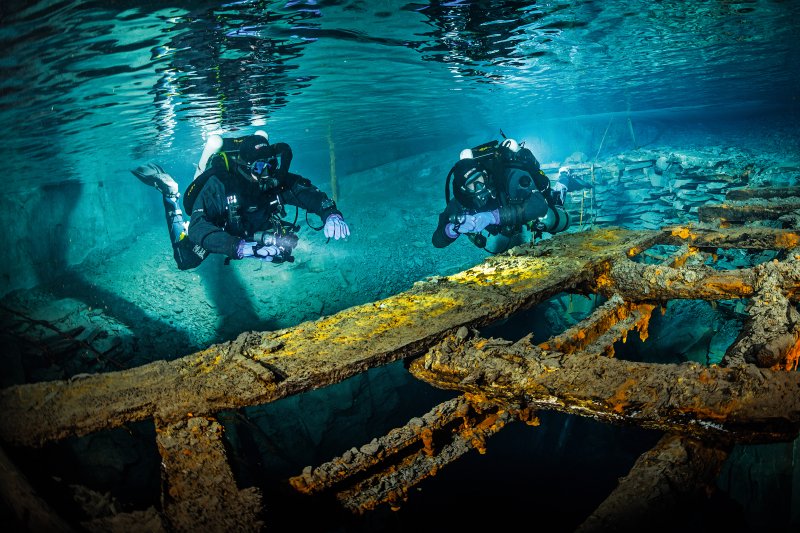
Wreck diving combines history, exploration, and technical skill. It can involve navigating large structures, observing how metal, wood, and time interact underwater, and staying aware of sharp edges, entanglement points, and silt.
Imagine entering a historic place that still carries traces of its past. For seasoned divers who are drawn to forgotten places, wreck diving is one of the most fascinating types of diving because it rewards patience, silence, control, and a real sense of stepping back in time.
Famous wreck destinations include Truk Lagoon, Scapa Flow, and the wrecks of Malta.
If Malta is on your wreck diving list, you can explore dive trips and courses in Malta on Scubago to connect wreck diving with real destination planning.
The SSI Wreck Diving Specialty supports safe, confident non-penetration dives around wrecks and artificial reefs, up to a depth of 30 meters, with practice in buoyancy, navigation, and equipment such as reels and lines.
Cave diving is one of the most technical and unforgiving types of diving, requiring precision, discipline, and advanced training. These dives take place in overhead environments where direct access to the surface is not possible, so planning and procedures are non-negotiable.
But at the same time, the crystal-clear cenotes of Mexico, Florida cave systems, and select European caves are world-renowned and offer an unforgettable experience.
Entering a cave system can take your breath away. Formations such as stalactites and stalagmites, dramatic canyons, seemingly endless pits, and narrow passages guide you into a completely different world.
But never forget: divers need to master guideline use, gas management rules, and emergency protocols. Cave diving requires strong discipline and excellent training. SSI Cave Diving helps you build these skills progressively while respecting both the risks and the fascinating world of cave environments.
predrag_vuckovic
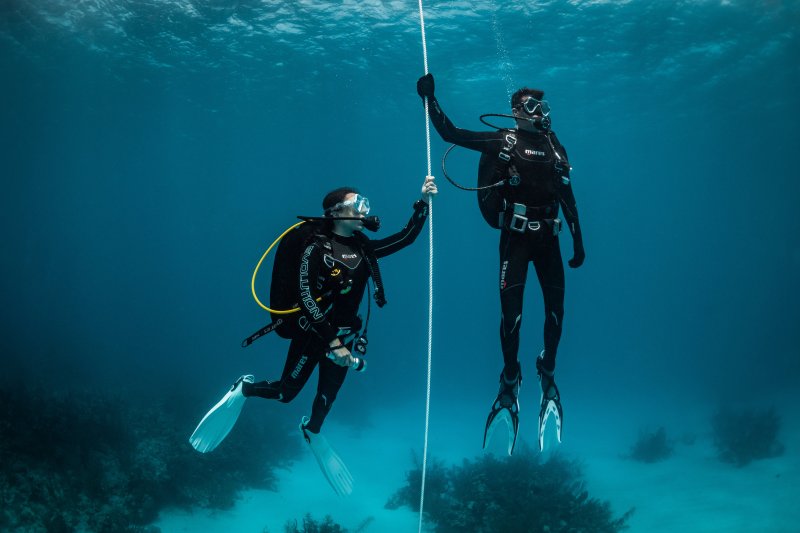
Drift diving uses current to carry divers along reefs, walls, or channels, offering a thrilling sense of flight while demanding excellent situational awareness and trim.
Destinations such as Cozumel, the Maldives, and Indonesia are famous for drift dives where pelagic life thrives. Safety considerations include surface signaling devices and precise entry and exit coordination. SSI Waves, Tides and Currentstraining helps divers understand dynamic water conditions, evaluate dive sites, and handle currents with more confidence.
Technical diving is often considered the pinnacle — and one of the most challenging types of diving you can experience. It takes you beyond the limits of recreational diving into a world few ever get to see. “Tec diving” is where the real adventure begins. It takes you deeper, further, and into environments that remain hidden to most people.
Deep wrecks, extended cave systems, and exploration projects are common goals. SSI Extended Range programs provide a structured pathway for divers who want to develop technical diving skills, learn decompression theory and emergency management, explore deeper sites, and use advanced equipment configurations responsibly.
Night diving transforms familiar sites into entirely new experiences. Try switching off your light for a brief moment, let the darkness surround you, and watch how the ocean begins to sparkle. Bioluminescence unfolds in a vibrant, neon-blue glow. In the pitch-black water, every movement triggers a wave of bioluminescent light. It feels like swimming through a galaxy of liquid stars, where fish leave glowing trails beneath the waves.
This is one of the most magical types of diving, but it also challenges divers to rely on communication, navigation, trim, and controlled movements. Reefs in Bonaire, Hawaii, and the Red Sea are known for spectacular night dives. The SSI Night Diving and Limited Visibility Specialty helps divers practice the techniques needed to become safe and confident night divers.
Ice diving pushes boundaries both mentally and physically. Divers descend through a single-entry point cut into frozen water, relying on surface support, tether systems, and strict team communication. It is one of the most extreme types of diving, requiring exceptional discipline and teamwork.
Popular locations include Canada, Scandinavia, and alpine lakes. Cold temperatures near 0°C (32°F) demand specialized equipment and strong dry suit control.
SSI Ice Diving training focuses on procedures, communication, and emergency readiness in freezing conditions. Before taking this step, the SSI Dry Suit Diving Specialty is a good way to build comfort, buoyancy control, and cold-water confidence in a dry suit.
Related read: Your Guide to Ice Diving: Why It Is Worth Getting Cold For is a useful SSI article for divers who want to understand ice diving, cold-water preparation, and the experience required before taking on frozen environments.
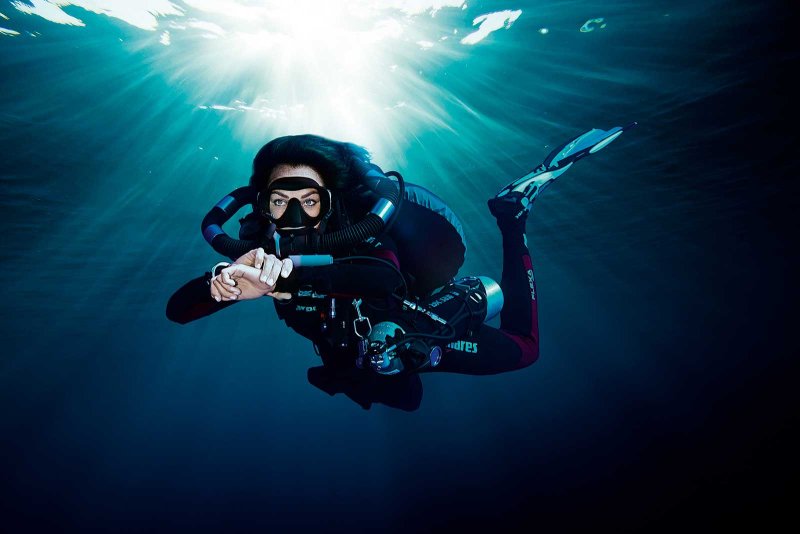
Have you ever wondered what it feels like to be completely invisible underwater? That is the secret of rebreather diving. No bubbles, no loud exhaust noise. You become a ghost in the ocean, a silent observer.
Rebreather diving allows for extended bottom times and near-silent operation, making it an ideal discipline for photographers and explorers driven by pure curiosity. This is one of the most equipment-intensive types of diving, suited to divers who enjoy technology, precision, and detailed pre-dive checks.
Worldwide, rebreathers are the go-to tool for deep reefs, wrecks, and complex technical projects. Because there is no room for error, constant monitoring, bailout planning, and sharp problem-solving skills are absolute essentials. If you are ready for this challenge, the SSI CCR Diving course introduces you to closed-circuit rebreather technology, advanced dive planning, hands-on in-water skills, and critical emergency scenario management.
mares
What if your next dive was about capturing the soul of the ocean? Underwater photography and videography diving combines technical diving skills with creative focus, making it one of the most rewarding types of diving for seasoned divers. Managing a camera system underwater adds task loading, requiring excellent buoyancy control, trim, and situational awareness to avoid damaging fragile environments.
What sets photography diving apart is the need to slow down, observe behavior, and anticipate moments rather than simply covering distance. This style of diving is popular on coral reefs, wrecks, and kelp forests, where light, composition, and marine life interactions constantly change.
Locations like Raja Ampat, the Red Sea, and Monterey Bay are favorites among photographers.
For those planning a Red Sea trip, Scubago can help you explore dive options in Egypt where clear water, colorful reefs, and regular marine life sightings support strong photo opportunities.
Photographers often dive shallower than 30 meters (98 feet) to maximize light and color while extending bottom time. The SSI Photo & Video Specialty helps divers refine camera handling, underwater image techniques, and diving abilities while using an underwater camera system.
Exploring advanced types of diving is about personal growth, not bravado. Each discipline challenges divers in unique ways, building confidence, awareness, and respect for the underwater world. Continuing education through SSI helps divers approach these experiences with the right skills and mindset.
Before booking remote or more demanding dive trips, it is also smart to review training, equipment, local support, and travel protection. SSI partner DiveAssure can support divers who want dive travel insurance and emergency assistance options for their next adventure.
True expertise is born when you push beyond your comfort zone. By exploring new types of diving, you will keep asking yourself: What else is waiting down there for me to discover?
Ready to take the next step?
Explore SSI advanced training, talk with an SSI Professional, and choose the type of diving that best matches your goals, comfort level, and experience.