Scuba Diving BCDs Explained: How to Choose the Best Fit for You
scuba diving
nowak-mi
Every dive is shaped by your gear. And at the heart of it all? Your buoyancy control device (BCD).
A BCD is not just another piece of equipment — it is the gear that makes every dive feel either smooth and effortless, or clunky and frustrating. The right BCD gives you comfort, control, and confidence in the water. The wrong one? It will distract you from the very reason you dive: the joy of being underwater.
With so many styles and features on the market, choosing the right scuba diving BCD can feel overwhelming. Here is how to break it down, understand your options, and pick the one that matches your dive style.
Every diver is different, and the right scuba diving BCD depends on the type of diving you want to do. From comfort to control, each style has its own strengths:
Jacket-Style BCDs
- Wrap around your torso and inflate at the front, back, and sides.
- Keep you upright on the surface.
- Familiar and comfortable — a popular choice for beginners.
Back-Inflate BCDs
- Inflate behind you for a streamlined shape.
- Help you stay in a horizontal position underwater, conserving energy.
- Favored by divers who travel often or want more performance without giving up comfort.
Wing Systems
- A harness with a bladder on the back.
- Excellent lift capacity and highly customizable.
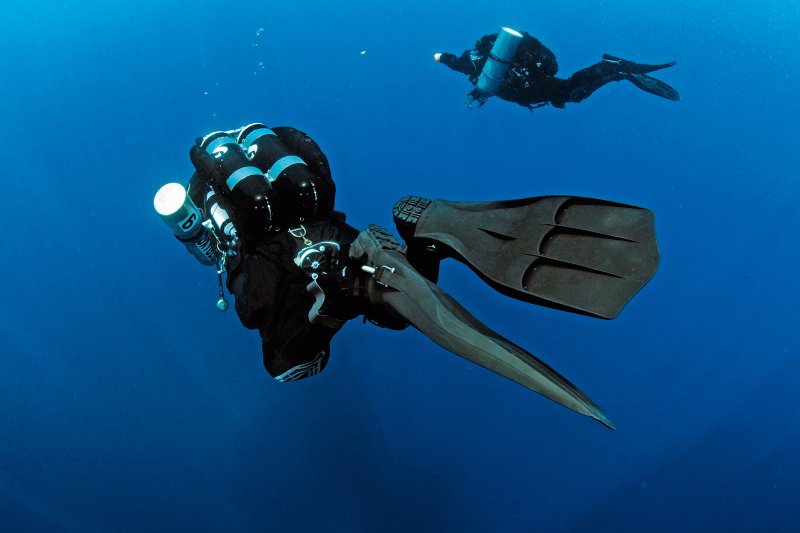
- Loved by technical divers and anyone carrying extra cylinders.
- Take some getting used to, but they grow with you as your diving progresses.
No matter which style of scuba diving BCD you choose, fit makes or breaks your experience. A poorly fitted BCD can ride up, pinch, or restrict your movement — turning a relaxed dive into a struggle.
Here is what to check:
- Snug, not tight: Secure on your torso without squeezing.
- Adjustable straps: Shoulder and chest straps should tighten easily without digging in.
- In-water test: Fit on land is not the same as underwater. Try it in a pool or demo dive if you can.
Many SSI Training Centers let you test gear before buying — the best way to know if a BCD feels right for your body and your diving needs.
Get ready for every dive: Scuba Gear Care – 6 Ways to Make Your Gear Summer Ready
Lift capacity = the amount of weight your scuba diving BCD can help you float at the surface. Get it wrong, and you will either feel under-supported or be hauling unnecessary bulk.
- Warm-water divers in light gear need less lift.
- Cold-water divers in thick wetsuits or drysuits need more.
- Technical divers often need maximum lift to handle multiple tanks.
Also look for:
- Multiple dump valves for easy air release.
- An inflator that feels natural in your hand.
- A responsive system that gives you fine-tuned control.
Want to take your buoyancy skills further? Try the SSI Perfect Buoyancy specialty — your BCD is your best partner in mastering it.
shutterstock_RLS-Photo
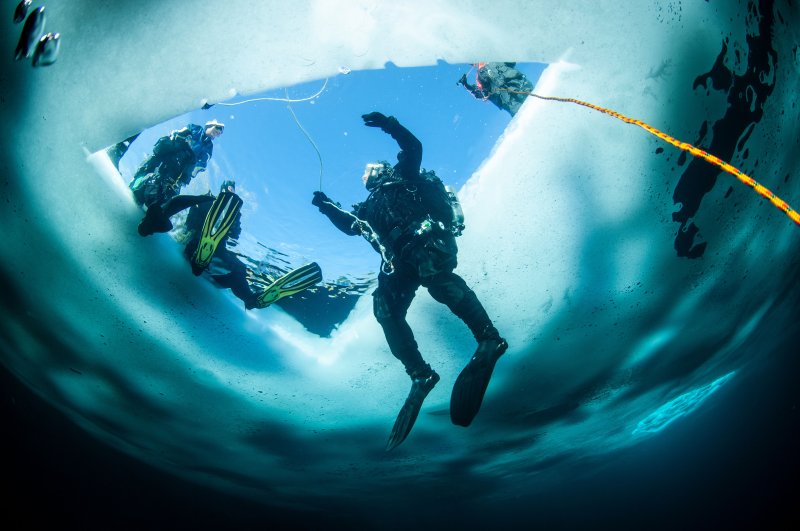
Cold-water and technical divers need extra lift — your environment makes a big difference.
If you plan to travel frequently, weight and packability are game-changers. Travel BCDs are lightweight, compact, and easy to pack. Brands like Mares offer models built for divers on the move.
But lightweight often means less durable. If you dive locally, or log hundreds of dives a year, look for reinforced fabrics, sturdy buckles, and abrasion resistance. When investing in a scuba diving BCD, consider not just your immediate needs but also how the equipment will hold up over time.
Ask yourself: do you need your BCD to go everywhere with you, or to stand up to heavy, regular use?
Love stunning coral reefs? Check out: 20 Best Diving Spots in the Coral Triangle
The details matter. Small features can transform how natural and effortless your scuba diving BCD feels in the water:
- Integrated weights: No need for a belt, plus quick-release systems for safety.
- D-rings: For clipping accessories — essential if you are tech diving.
- Pockets: Bigger ones are perfect for slates, SMBs, or backup lights.
Think ahead to the kind of diving you want to do, not just what you are doing now. Choosing the right configuration today can save you from wishing for more functionality later.
Your BCD should be able to grow with you. Think about where you dive most now — and where you want your diving to take you in the future:
- Vacation diver? Prioritize lightweight, packable designs.
- Cold-water or drysuit diver? Choose extra lift and rugged build.
- Tech diver? Go modular with a wing system.
- Instructor or divemaster? Balance durability with comfort and practicality.
By matching your scuba diving BCD to your long-term goals, you will avoid the cost of replacing it later — and ensure your gear keeps pace with your skills.
mares
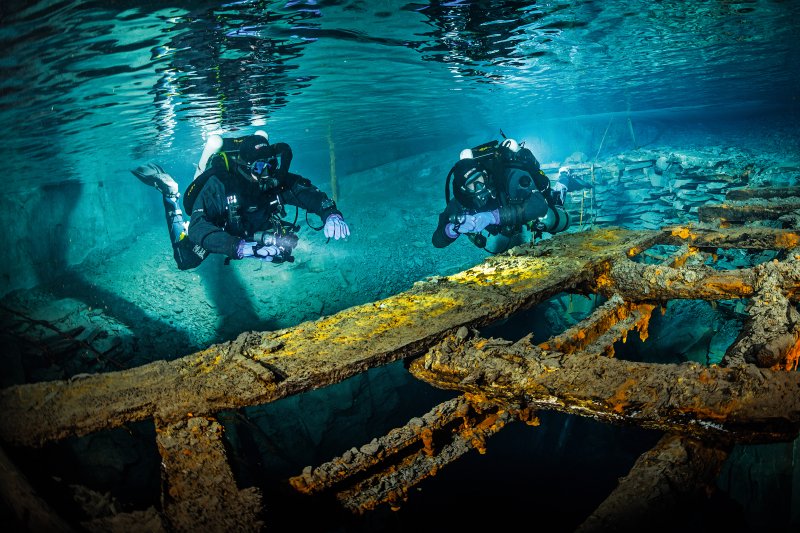
The right BCD keeps you streamlined and ready for the kind of diving you love.
The best way to know if a scuba diving BCD is right for you is to test it in the water. Fit, trim, and comfort change dramatically once submerged. Renting or demoing a few models is the smartest way to know what works for you. Pay attention to:
- How easy it is to get neutral buoyancy.
- Whether it restricts your movement.
- How it feels on the surface.
You can also level up with an SSI Equipment Techniques course — hands-on guidance that helps you choose and use gear with confidence. By learning more about the equipment itself, you will be able to make purchasing decisions that truly fit your needs
New to diving but want to invest in your own gear? Check out: Scuba Gear Essentials for New Divers
Get Expert Advice
There is no substitute for professional guidance. Your local SSI Training Center is the best place to start. Instructors and staff can help you compare different BCDs, test them in the water, and find the one that fits your body and your diving goals.
Use the SSI Center Locator to connect with a trusted dive center near you.
A scuba diving BCD is built to last — if you take care of it.
- Rinse thoroughly after every dive.
- Store it partially inflated to protect the bladder.
- Follow the recommended service schedule.
Regular care means your scuba diving BCD will remain safe, reliable, and ready for countless adventures.
Planning a dive holiday? Make sure you have comprehensive dive travel insurance before you go. DiveAssurespecializes in coverage designed for divers, so your gear — and your trip — are protected.
Buying a BCD is a big investment, but one that will shape every dive you take. The right choice will bring you years of comfort, safety, and unforgettable experiences.
The best way forward? Visit your local SSI Training Center, try a few options, and get advice from instructors who know how to match divers with the right gear.
Your perfect scuba diving BCD is out there. Find it, trust it, and dive in.
Contact Your Local SSI Training Center Today