Mermaid Tails for Adults: Find Your Perfect Tail
mermaid

ssi_wei_shang
Table of Contents:
-
Fabric Mermaid Tails for Adults: Lightweight and Versatile
-
Silicone Mermaid Tails for Adults: Realistic and Performance-Focused
-
Hybrid Mermaid Tails: A Middle Ground
-
Choosing a Mermaid Tail for Fitness
-
Choosing a Mermaid Tail for Underwater Photography
-
Choosing a Mermaid Tail for Professional Shows
-
Mermaid Tail Safety: What You Need to Know
-
How to Care for Your Mermaid Tail
-
Where to Buy Mermaid Tails for Adults
-
How Much Should You Spend on a Mermaid Tail?
-
Buying Your First Mermaid Tail
-
Dive Deeper
Mermaid tails have moved far beyond fantasy costumes. Today, adults can slip into beautifully designed tails for underwater photography, fitness, performances, training, or simply the joy of gliding through the pool like a mermaid.
With so many styles, materials, and prices, choosing your first tail can feel complicated. The best mermaid tails for adults are not necessarily the most expensive. Your choice depends on how and where you swim and your experience in the water.
From lightweight fabric designs to realistic silicone creations with beautifully detailed fins and scales, this guide will help you explore your options before buying your first tail.
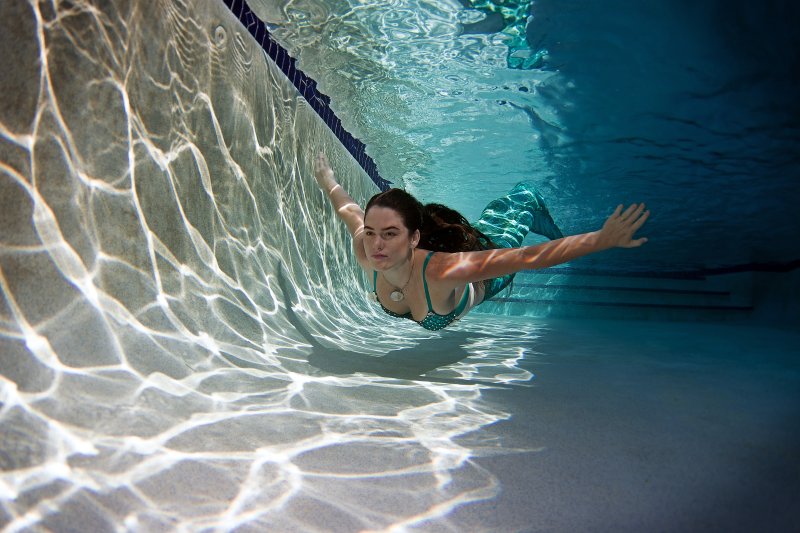
For many beginners, a fabric mermaid tail for adults is an easy way to get started. Made from stretchy materials such as polyester or blends containing elastane, these tails slip over a separate monofin, creating the familiar mermaid silhouette in the water.
Fabric tails are flexible, lightweight, easy to slip into, and more affordable than silicone. They suit recreational swimming, beginner training, pool sessions, and colorful underwater photography without the weight of a heavy tail.
Simpler designs commonly cost $100–$200 (£80–£160), with premium or custom versions exceeding $300 (£240). Fabric tails are also easier to pack and carry if you want to take your mermaid tail on vacation.
Shutterstock-Peter-Leahy
Looking for inspiration? Meet 8 inspiring real mermaids who bring their creativity to underwater performances, photography, and mermaid training.
Silicone offers the most realistic appearance and texture, making it popular for professional performances and underwater productions. High-quality tails can reproduce detailed scales, fins, and color gradients that are difficult to achieve with fabric.
However, silicone mermaid tails for adults are significantly heavier. A complete tail can weigh several kilograms, making transport and swimming harder. Silicone also needs careful handling, as even a small tear can be expensive to repair.
Professionally made silicone tails can cost several thousand dollars. That makes them a specialist investment rather than an automatic upgrade from fabric.
Hybrid designs combine the realistic look of silicone with the lighter feel and flexibility of fabric. Depending on the manufacturer, this may mean fabric with silicone detailing, a silicone skin over a flexible structure, or other material combinations.
For adults considering mermaid tails for regular underwater photography, performances, or more advanced recreational activities, hybrids can offer a good compromise. They add more realistic detail to your underwater look without the full weight and expense of a solid silicone tail.
Hybrid tails vary by manufacturer, so check what is included rather than expecting every design to perform the same.
If your goal is fitness, movement should come before appearance. A lightweight fabric tail paired with a well-designed monofin can provide plenty of resistance as you practice dolphin-style movements and build swimming endurance.
Comfort becomes especially important during longer sessions. Your tail should fit securely without creating painful pressure points, and the monofin should let your feet and ankles move naturally through each kick.
For mermaid tails for adults used regularly for exercise, choose durable materials that can withstand frequent pool sessions. Rinse your equipment thoroughly after every swim to keep it in good condition.
Want to feel more balanced and move with less effort? Discover SSI's Mermaid Buoyancy Tips to improve your body position and control underwater.
Underwater photography gives you more freedom to focus on appearance. A fabric tail can look stunning in the right light, with its colors coming alive underwater. Silicone, on the other hand, brings out the realistic details of scales and fins, even in close-up shots.
Think about how your tail looks as you glide through the water, rather than just how it looks when standing still. The fabric should flow naturally with your movements, and the fin should create a smooth, elegant silhouette underwater. Bright colors can make you stand out against the background, and natural blues and greens give your photos a more realistic underwater look.

ssi_wei_shang
Most importantly, never sacrifice your swimming ability for a beautiful photograph. Your tail should make you look amazing underwater without making basic movements difficult.
Professional mermaids may spend extended periods swimming, performing underwater choreography, interacting with audiences, or working in demanding environments.
A professional tail needs to look spectacular, feel comfortable, and withstand repeated use. Silicone can create stunning, lifelike scales and fins that catch the audience's eye, but its weight requires strength and experience.
For professional performances, ask the manufacturer about construction, repairs, monofin compatibility, and durability before investing.
A mermaid tail changes the way you move through the water. With both legs enclosed, you cannot move them independently as you normally would when swimming. That makes proper training essential for mermaid tail safety.
Never treat a mermaid tail as a simple costume. You need to know how to swim with your monofin, remove your tail quickly if necessary, and react calmly when something unexpected happens. Practice with a trained buddy or qualified professional, especially when learning new skills.
For beginners, pools with lifeguards and designated swimming areas are generally the best places to start. Never practice alone, in unpredictable open water, or anywhere your tail could get caught.
The SSI Mermaid program teaches swimming techniques, breath-hold skills, equipment use, and essential safety practices. With professional guidance, you can learn to move more confidently in your tail and prepare for more demanding underwater environments.
Taking good care of your mermaid tail can help it last much longer. After every swim, rinse the tail and monofin thoroughly with fresh water to wash away chlorine, salt, and other residues.
Let fabric tails dry completely before storing them, preferably away from direct sunlight. Silicone needs extra care, as sharp objects, excessive heat, or folding the tail incorrectly can damage its delicate surface.
Check seams, straps, monofin pockets, and attachment points regularly. A small tear or loose strap is much easier to fix before your next swim than discovering the problem once you are already in the water.
Specialist mermaid retailers understand the demands of underwater swimming better than costume stores. Look for manufacturers that clearly explain materials, sizing, monofin compatibility, care, and safety.
Mermaid Lucia is worth exploring for fabric tails, offering designs made for mermaid swimming rather than simply dressing up. Before ordering, check the latest sizing charts and product details carefully, especially if your tail will be shipped internationally.
A custom-made tail can be tempting, especially when it matches your dream design. But a beautiful design is not necessarily comfortable or practical in the water. Read independent reviews and ask the manufacturer about anything unclear.
For more advice on materials, fit, and durability, read SSI's guide to choosing a comfortable, durable mermaid tailbefore making your purchase.
There is no single right budget for mermaid tails for adults. A beginner may be perfectly happy with a fabric tail costing around $100–$300 (£80–£240), whereas a professional silicone tail can cost several thousand dollars.
Think about how often you will actually use it. A $2,000 (£1,600) professional silicone tail makes little sense for just a few swims a year, but the cheapest option may disappoint if you train regularly.
Start with a tail that fits your current skills and goals. As your experience grows, you can always invest in more specialized equipment later.
The best mermaid tails for adults are those that match your experience, swimming environment, and ambitions. Before buying your first tail, make sure you can swim confidently, understand basic water safety, and know how to use a monofin correctly.
For most beginners, a comfortable fabric tail and a reliable monofin are all you need to discover the joy of mermaid swimming. As you grow more confident in the water, you can explore specialized designs for photography, fitness, or performances.

si_wei_shang-min
If you want professional guidance before choosing your first tail, use the SSI Center Locator to find an SSI Training Center offering Mermaid programs. Learning the skills first helps you choose equipment that feels right in the water and enjoy your tail safely.
A beautiful mermaid tail can make you feel as though you have stepped into another world, gliding through the water with every movement of your fin. But the real magic comes from the swimmer wearing it, not the price tag attached to the tail.