Best places to swim with manta rays in 2022
scuba divingenvironmentmarine lifesnorkelingtravelmanta rays
iStock/Divepic
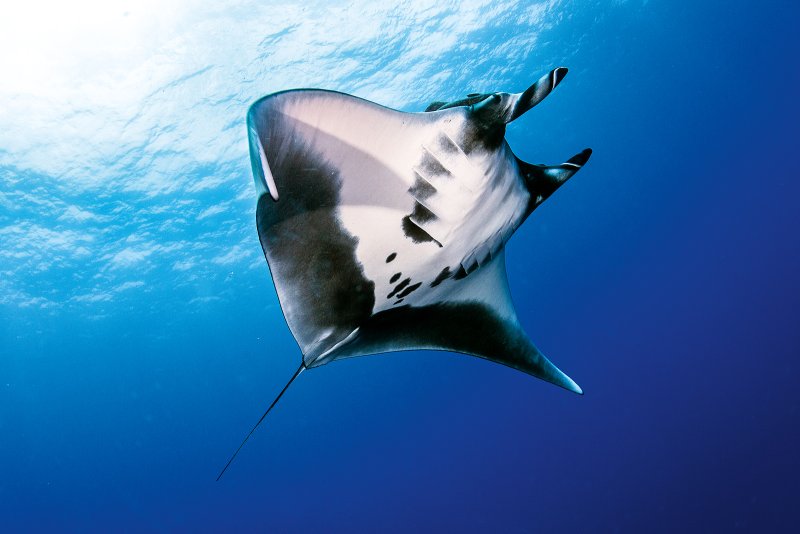
Being in the water with manta rays is an incredible experience that most ocean-lovers dream of. There is nothing quite like watching these graceful creatures move through the water. But where in the world can you snorkel and dive with manta rays? Find out in our round-up of the top six places to swim with manta rays in 2022.
If you want to see reef manta rays and lots of them, Hanifaru Bay is the destination for you. This idyllic bay is a protected UNESCO Biosphere Reserve in Baa Atoll and hosts some of the largest gatherings of manta rays in the world.
To protect the animals, diving is not permitted at Hanifaru Bay, but snorkelers can swim with manta rays in the calm, tranquil waters of the bay.
The small volcanic island of Socorro sits around 600 kilometers (375 miles) off the west coast of Mexico’s Baja peninsula in the remote Revillagigedo Archipelago. It is one of the best places in the world to spot giant pacific manta rays, which can grow up to 7 meters (23 feet) wide!
Socorro Island is the largest of the four islands that make up the Revillagigedo Archipelago and hosts an array of big marine life, including whale sharks, dolphins, numerous shark species, and even humpback whales.
They are present all year, but bait ball season (May to July) attracts more mantas than any other time of year.
READ MORE: MEXICO’S BEST DIVING PART 1 – THE SOCORRO ISLANDS.
Home to the famous manta ray night dive, Kona offers the chance to swim with manta rays by torchlight. Kona’s reef mantas feed on plankton, and divers discovered that the plankton is attracted to light.
By gathering around and shining their flashlights, scuba divers attract the plankton and watch as the manta rays come to feed in the beams of light.
It is quite the show. Snorkelers can also watch from the surface and point their flashlights down.
You can encounter manta rays year-round in Kona, but the sea conditions are best between May and September.
Nusa Penida is an island southeast of Bali in Indonesia and is famous in the diving world for two things: manta rays and mola mola.
The mantas can be spotted in deep waters and up near the shallows, relieving themselves of parasites with the help of small cleaner fish.
Reef sharks can also be spotted around the dive sites of Nusa Penida, as well as blue-spotted stingrays, rare nudibranchs, and stunning corals.
For the best chance of seeing mola mola, go diving in Bali from July to October.
READ MORE: SEARCHING FOR SUNFISH? 3 TOP PLACES TO DIVE WITH MOLA MOLA.
Ningaloo Reef on the west coast of Australia is home to large numbers of zooplankton…which is the favorite food of manta rays!
Coral Bay has the highest number of mantas, especially between May and November, and you can swim with manta rays throughout the year.
The manta rays can often be seen from the surface as they feed or mate, making Ningaloo Reef perfect for both divers and snorkelers.
Barefoot Manta Island is famous for its manta rays, which gather to feed in a narrow, nutrient-rich channel every year.
Manta rays of different sizes come to the channel to feed from April to October and both snorkelers and scuba divers can experience close encounters with these beautiful creatures.
This eco-friendly island, also known as Drawaqa Island, is located in Fiji’s Yasawa Islands and has a manta ray research facility.
The manta rays are protected and there are rules in place to keep them happy and healthy around people.
All of which makes this one of our top highlights of diving in Fiji.
DISCOVER MORE FEATURED PLACES TO SWIM AND SNORKEL WITH MANTA RAYS HERE.
1. "Manta" means blanket or cloak in Spanish.
2. Manta rays show high levels of intelligence, memory, and mapping skills.
3. They are gentle giants and completely harmless to humans, despite their size.
4. Their brain-to-body ratio is the largest of any fish alive today.
5. The markings on the underside of a manta ray are unique to every individual - much like our fingerprints.
6. They swim to stay alive and cannot stop.
7. The skin of a manta ray is covered in a mucus-like film.
This film can be damaged by human touch which is why it is important never to touch marine life.
8. Manta rays can weigh up to 1350 kilograms (3000 pounds) and grow as wide as 7 meter (23 feet)!
9. The fertilized eggs that carry baby manta rays grow inside the mother for around 1 year.
These baby mantas are born fully formed and need no further help from the mother.
10. Giant manta rays were listed as an endangered species in 2021.
Sadly, giant mantas are the first manta rays to be listed as an endangered species and they are in decline due to unsustainable fishing pressure.
Reef manta rays are also listed as vulnerable to extinction on the IUCN Red List of Threatened Species.
If you care about protecting the ocean, join SSI’s Blue Oceans program. You will learn how to be a more eco-conscious diver and help vulnerable marine life, such as mantas, to thrive.
MAKE A DIFFERENCE THAT LASTS – JOIN THE SSI BLUE OCEANS COMMUNITY TODAY!