Sea turtles contaminated with micro-plastics worldwide
environmentmarine conservationsea turtlespollutionmicroplastics
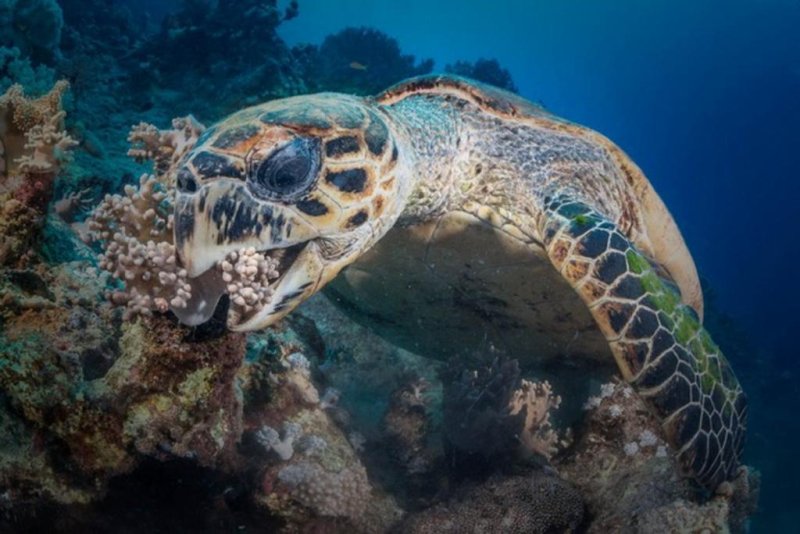
Sea Turtle (Egypt) (c) Sven Peks
Researchers examined more than 100 animals of all seven species Researchers from the University of Exeter and the Plymouth Marine Laboratory, in collaboration with the Greenpeace Research Laboratories, found microplastics in 102 sea turtles in the Atlantic, Pacific and Mediterranean. Their results have now been published in a study in the journal Global Change Biology. The effect of these particles on turtles is yet unknown," says lead author Dr. Emily from the University of Exeter in Cornwall. " Their small size allows them to pass through the intestine without causing blockage, as is often the case with larger plastic fragments, but future work should focus on whether microplastics can affect aquatic organisms more subtly, such as impurities, bacteria or they may infect the turtle at the cellular or subcellular level, which requires further study. In total, more than 800 synthetic particles were found in the 102 studied turtles. Most common were fibers that may have come from clothing, tires, cigarette filters, ropes and fishing nets. The researchers each tested only a portion of the gut of each animal - the total number of particles per animal is therefore estimated to be about 20 times. Professor Brendan Godley, senior author of the study, adds: " It is a great pity that many or even all of the world's sea turtles have taken up micro-plastics, which is not the biggest threat to this species group at the moment, but it is a clear one A sign that we need to act to better control global waste. The investigations were carried out on turtles, which were either washed up dead on beaches or died as bycatch in the nets of fishermen. The study locations were North Carolina, USA (Atlantic), Northern Cyprus (Mediterranean) and Queensland, Australia (Pacific). The turtles with the most synthetic particles were in the Mediterranean. Dr. Penelope Lindeque, of the Plymouth Marine Laboratory, says, " Although this study has been successful, it does not feel like a success to have found microplastic in the intestines of every single turtle we examined. We've studied the tiny marine zooplankton at the base of the marine food web up to fish larvae, dolphins and now turtles; this study provides further evidence that we all need to strengthen our efforts to reduce the release of plastic waste and to preserve clean, healthy and productive oceans for future generations. Louise Edge, plastic activist at Greenpeace, said: " The new study shows the drama of plastic pollution, and our society's need for plastic surgery is driving a global environmental crisis that needs to be tackled at the source. Link to the study: onlinelibrary.wiley.com/doi/full/10.1111/gcb.14519
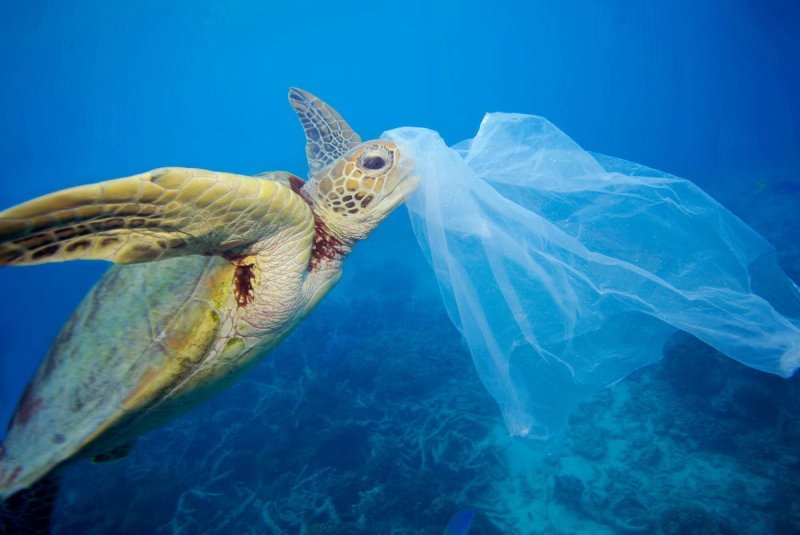
Green sea turtle (Chelonia mydas) with a plastic bag. The bag was removed by the photographer before the turtle had a chance to eat it. (c) Troy Mayne / WWF
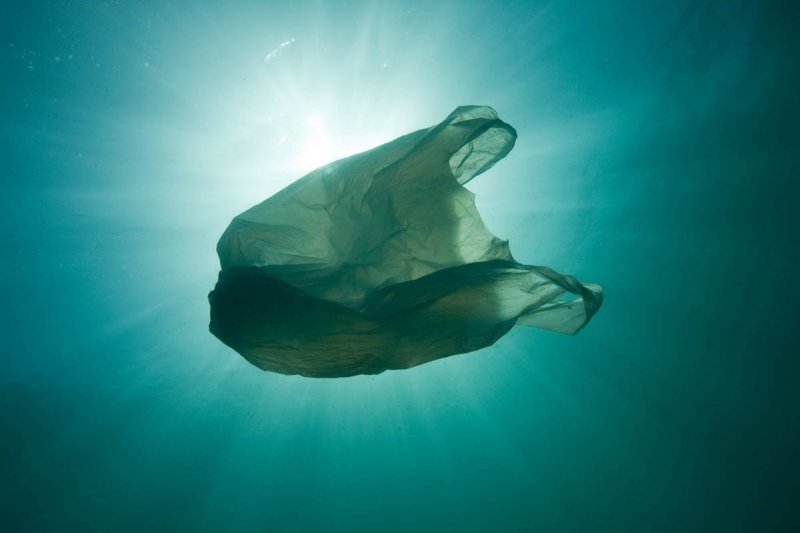
Plastic bag floating in the sea, resembling a jellyfish swimming Dangerous to sea turtles. (c) naturepl.com / Sue Daly / WWF
Dieser Beitrag wurde automatisch übersetzt und kann geringfügige Ungenauigkeiten enthalten; im Zweifel gilt die englische Originalversion.