10 Best Snorkeling Spots in the World for 2026
scuba divingsnorkelingfreedivingtravelswim
predragvuckovic
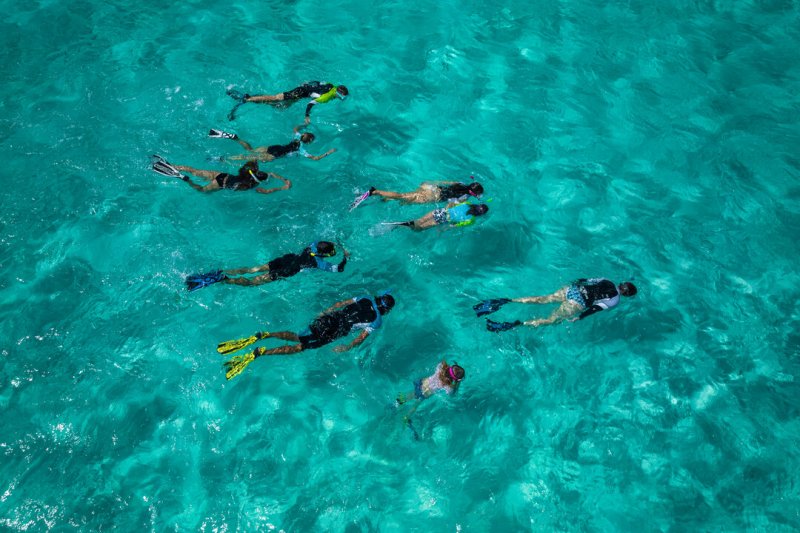
Snorkeling is an easy, rewarding way to enter the underwater world. With a mask, snorkel, and fins, you can watch sunlight ripple over coral and see a school of fish turn as one beneath you. These ten snorkeling spots combine rich marine life with easy access. They are some of the best places to snorkel in 2026 and offer some of the best snorkeling in the world.
Table of Contents:
-
1. Maldives: Easy House-Reef Snorkeling
-
2. Great Barrier Reef: Iconic Coral Gardens
-
3. Hawaii: Volcanic Bays and Sea Turtles
-
4. Galápagos Islands: Wildlife-Packed Snorkeling Spots
-
5. Komodo National Park: Colorful Reefs and Strong Currents
-
6. Belize Barrier Reef: Accessible Caribbean Snorkeling
-
7. Red Sea: Clear-Water Snorkeling Spots
-
8. Palau: Protected Lagoons and Jellyfish Lake
-
9. Philippines: Reefs Across More Than 7,600 Islands
-
10. French Polynesia: Calm South Pacific Lagoons
-
Snorkeling Responsibly at the World's Best Snorkeling Spots
-
Dive Deeper
The Maldives are famous for white-sand beaches and turquoise lagoons, but their richest colors wait below the surface. Reefs begin only meters from shore, so you can leave the sand and reach a living reef without boarding a boat.
Visibility regularly reaches 20 to 30 meters (65 to 98 feet). Reef sharks trace the sand, sea turtles rise in slow silhouettes, and bright reef fish flare across the coral. Manta rays also visit cleaning stations in season.
December through April usually brings calm seas and clear water. Scubago's Maldives destination page lets you compare local SSI courses and dive centers before choosing an island.
Stretching more than 2,300 kilometers (1,430 miles) along Australia's northeastern coast, the Great Barrier Reef is the largest coral reef system on Earth. From the surface, its coral gardens can feel endless.
Many reefs sit in shallow water, revealing hard coral gardens, giant clams, and reef fish moving in every direction. The fish scatter, then close again in a shifting cloud. The Whitsundays and outer reef platforms are especially popular for clear water and marine life.
June through October often brings cooler temperatures, less rain, and clearer conditions. SSI's guide to diving in the Great Barrier Reef compares regions, marine life, experience levels, and SSI training options.
In Hawaii, dark lava ridges cut through the blue below the surface, and protected bays offer calmer water for exploring the volcanic seascape.
Green sea turtles cruise over the reef as flashes of yellow, blue, and silver vanish between black rocks. Manta rays or dolphins may appear offshore. Molokini Crater and Kealakekua Bay draw snorkelers with their clear waters and colorful reef life.
May through September often brings lower swell and clearer water, although conditions vary by island and coastline.
Want to follow the reef deeper? SSI's Best Scuba Diving in the World guide shares 15 destinations where snorkeling can spark your next scuba adventure.
The Galápagos Islands deliver wildlife encounters that feel different from anywhere else. Several ocean currents meet around the volcanic islands, supporting remarkably varied marine life.
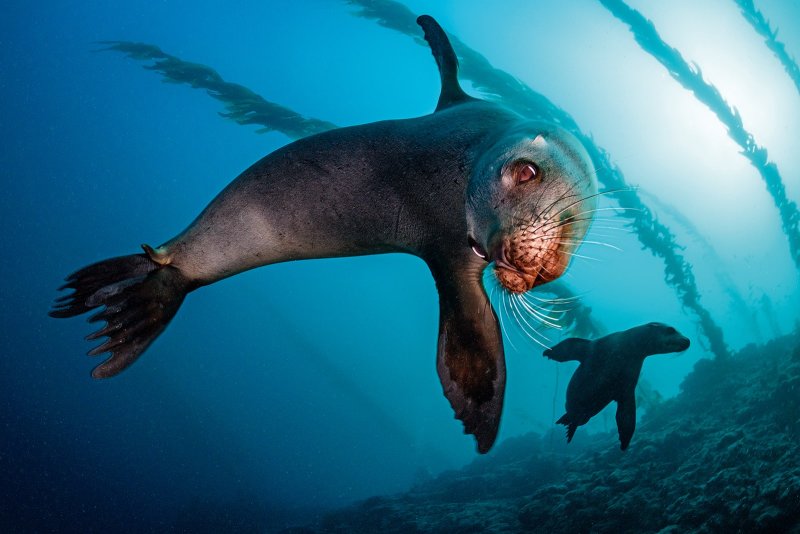
A sea lion may cut past your fins while a marine iguana slips through the shallows like a dark shadow. Sea turtles and tropical fish can appear nearby. Nutrient-rich currents keep the scene changing each time you turn.
December through May generally brings warmer water and calmer seas for more comfortable snorkeling.
istock-michael-zeigler
Komodo National Park is famous for legendary dragons and thriving coral reefs. Below the surface, bright coral formations spread across some of Southeast Asia's most colorful shallow reefs.
Schools of fish fold and twist with the current until they form a silver wall above the reef. A sudden turn opens a window onto a turtle or reef shark beyond. Strong currents fuel this biodiversity, so some sites are best explored with an experienced local guide.
Calmer conditions usually occur between April and November, with visibility reaching 25 meters (82 feet) or more. Scubago's Indonesia destination page lists local SSI courses and dive centers.
The Belize Barrier Reef Reserve System is one of the world's largest reef systems and an accessible Caribbean snorkeling destination. Shallow reefs, patch reefs, and seagrass beds create islands of coral, sand, and green.
Nurse sharks rest below, rays sweep the sand, turtles rise for air, and tropical fish stream between coral formations. Float quietly and a cloud of fish can close around you, filling the water with a swirl of silver and color. Many sites are a short boat ride from shore.
March through June often brings the clearest water, with visibility reaching 20 meters (65 feet) or more.
Divers have long known the Red Sea for clear water, and it also offers some of the best snorkeling spots in the world. With little river runoff, the reef can look close enough to touch.
Steep walls and bright coral gardens line the Egyptian and Jordanian coasts. Schools of fish pour through the blue in such numbers that they briefly dim the sunlight, turning the water into a living silver curtain. Even shallow reef flats burst into color below your mask.
April through June and September through November usually bring comfortable water temperatures and excellent visibility for snorkeling.
Planning a Red Sea trip? SSI's Egypt diving guide compares regions, marine life, conditions, and experience levels to help you choose the right part of the Red Sea for your trip.
Palau's lagoons, channels, and coral reefs create snorkeling spots rich with marine life. In clear water, the reef opens below in layers, from sunlit coral to deep-blue channels.
Fish fill the coral gardens, and turtles and reef sharks appear farther below. At Jellyfish Lake, swimmers drift between golden jellyfish that move like slow lanterns and usually have stings too mild to feel. Palau's marine protections help keep its reefs healthy.
November through April tends to bring calmer seas and clearer water for surface exploration.
With more than 7,600 islands, the Philippines holds reef after reef and lagoon after lagoon, each with distinct colors and marine life. Together, they create remarkably diverse snorkeling destinations across the country.
Apo Island and parts of Palawan feature vibrant reefs and thriving fish populations. Fish spill over shallow coral slopes, vanish into crevices, and gather again in open water as you drift above.
Across much of the country, November through May often brings drier weather, calmer water, and better visibility.
French Polynesia offers postcard-perfect snorkeling spots across the South Pacific. Around Bora Bora and Moorea, turquoise water stretches toward the horizon above circling coral reefs.
Reef fish scatter like sparks, rays sweep pale sand and leave moving shadows, and sea turtles sometimes cross the open lagoon. Calm water invites you to slow down and watch.
May through October often brings excellent visibility, although wind and swell can change conditions. Scubago's French Polynesia destination page lets you compare local SSI courses and dive centers before choosing an island.
These underwater encounters can stay with you long after you return to shore. Choose responsible operators, keep your distance from marine life, and leave coral untouched.
Knowing what you are looking at changes the whole experience. The SSI Snorkel Diver program builds safe, confident snorkeling skills, and the SSI Marine Ecology specialty explains how reef organisms live together and shape their environment. With that knowledge, small details that once slipped past begin to stand out. Move carefully through the water so the next snorkeler finds the same living reef.
Ready to explore with more confidence? Use the SSI Center Locator to find an SSI Professional and build the skills for your next snorkeling trip.