10 Scuba Industry Jobs for Divers Who Do Not Want to Teach
scuba divingfreedivingextended rangemermaidswim
predrag-vuckovic
If you love the ocean but the thought of being an instructor does not quite fit where you see yourself, you are not alone — and there is good news. The scuba world is full of roles that let you dive into your passion without stepping into a classroom.
From conservation, media, and gear technicians, to travel logistics — these roles are often under-recognized yet deeply rewarding and in high demand.
In this article, we explore a variety of scuba industry jobs beyond instructing: what they involve, how you can get started, where you can grow, and what the hidden benefits and challenges are.
By the end, if guiding, researching, fixing, or storytelling sounds more like you, you will have a roadmap to follow — and see just how diverse today's scuba industry jobs can be.
You might assume scuba work means water + teaching. But many roles in the industry are about support, exploration, management, or creativity.
Non-instructor roles include:
iStock-sergeyryzhov
- Guiding certified divers
- Maintaining equipment
- Scientific research
- Writing or filming
- Managing operations or travel
- Public safety diving
- Aquarium work
- Performance diving, and more.
These jobs often require strong dive skills, but the emphasis tends to be on other specializations — communication, technical or mechanical skills, scientific or artistic skillsets, logistics, marketing, or hospitality.
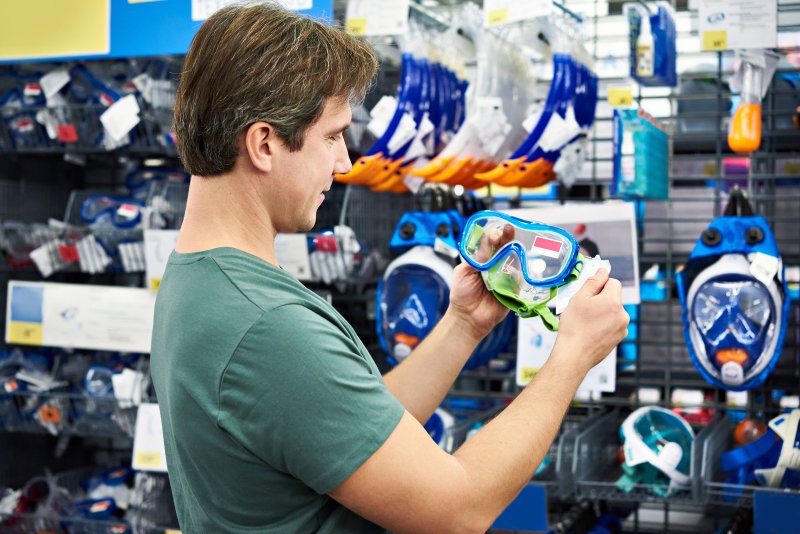
Behind every great dive is preparation — gear specialists keep divers safe and operations running smoothly.
Passionate about marine conservation or science? You can work with NGOs, universities, or eco-resorts on reef restoration, species monitoring, or data collection. This path is perfect if you want to combine diving with science or environmental advocacy.
Adding SSI's Ecology Specialties helps you combine practical science knowledge with hands-on conservation work.
Tell the underwater story for tourism companies, media outlets, NGOs, or your own platforms. Skills in editing, storytelling, and underwater lighting are just as important as your buoyancy control.
Every dive center relies on skilled people who can service, repair, and advise on equipment. With diving technology advancing, expertise in regulators, compressors, and rebreathers is in high demand.
Building skills through programs like the SSI Gas Blender specialty can set you apart as a trusted gear expert.
Not all roles require you to be underwater every day. Running a dive resort or liveaboard involves logistics, guest management, scheduling, and ensuring seamless operations.
Specialized divers assist in underwater search, recovery, and safety work for fire departments, coast guards, or law enforcement. These roles require advanced training but offer unique and vital contributions.
With structured training such as SSI's Public Safety Diving programs, you will gain the rigorous skills these roles demand.
Behind the glass, divers maintain tanks, care for animals, clean exhibits, and sometimes participate in shows or educational programs. It is a blend of biology, husbandry, and diving.
Aquariums accredited by organizations like the Association of Zoos & Aquariums uphold high standards of safety and animal care.
Every dive center, training agency, and gear company needs storytellers. From managing social media accounts and writing newsletters, to creating campaigns and brand partnerships, you can shape how diving reaches the world.
Scuba operations also need people who excel at organizing bookings, handling certifications, and ensuring divers feel supported before they ever hit the water. This is the backbone of many successful dive businesses.
Brands like Mares work with divers to test, review, and help design new gear and training products. This is where your dive experience influences the future of the industry itself.
From mermaid shows and underwater dance to film work, divers are needed in creative industries. If you have a performance streak, these roles blend artistry with underwater skill.
Great underwater photographers do not just take pictures — they tell stories that matter, in the tradition of platforms like National Geographic's Ocean coverage.
Interested in the performance side of diving? How to Market Yourself and Grow as a Pro Mermaid
Think about whether you prefer the technical, creative, operational, scientific, or public-service side of a career in scuba diving.
That clarity will help you choose what additional training, volunteering, or networking to pursue — and point you toward the scuba industry jobs that fit your strengths.
Even if you are not going to teach, strong dive foundations such as excellent buoyancy control, navigation skills, specialty diving, and Rescue Diver skills are generally expected.
Then add specializations: underwater photography, equipment maintenance, marine ecology or conservation specialties, freediving, or public safety diving.
Paid roles for non-instructors often require a track record. Start by volunteering with research or conservation groups or guiding certified divers. You might also build experience through freelance photography or video, equipment servicing in dive shops, or internships at aquariums.
Networking is also huge. Dive shops, resorts, marine research centers, NGOs, and media platforms all have overlapping needs. Get to know your local dive centers, share your work on social media, and attend dive expos and workshops.
Online communities such as Underwater Explorers Worldwide can also open doors to global opportunities and collaborations.
Want to see how passion becomes a career? Check out: Inside the Life of an Underwater Photographer
Scuba industry jobs are evolving quickly, and new opportunities are opening up beyond traditional teaching roles. Here are some of the fastest-growing areas:
- Eco-tourism & conservation: More resorts are investing in sustainability and hiring for reef monitoring, marine guiding, and low-impact dive operations.
- Media & content creation: Demand for high-quality underwater photography and video keeps rising in tourism, marketing, and science.
- Gear & tech expertise: As equipment becomes more advanced (rebreathers, technical systems), skilled technicians are increasingly valuable.
- Specialty & performance diving: Freediving, mermaid shows, and wellness-related roles are gaining ground in resorts and aquariums.
- Public safety diving: Rescue and safety roles are often backed by government or emergency budgets, making them stable and impactful.
shutterstock_RLS-Photo
It is not all glamour. Many scuba industry jobs involve long hours, seasonal work, and uneven income. Some require frequent travel or placement in remote locations. And compared to instructor jobs, some roles may receive less recognition.
Creative jobs (photo/video) might carry equipment, editing, and travel costs. Technical and gear roles can be physically demanding and require consistent certification and safety compliance.
But these trade-offs are often manageable with planning, combining income streams, maintaining flexibility, and protecting your well-being.
Scuba industry jobs can be demanding, but the rewards beneath the surface are worth the effort
- Map your role: pick two non-instructor scuba industry jobs that excite you.
- List the required skills: for each, identify dive-specialty training, soft skills, gear knowledge, or safety qualifications you will need.
- Start small: volunteer, intern, freelance. Even small projects build credibility.
- Document your work: whether photo/video, field notes, or gear maintenance logs — it becomes your portfolio or proof.
- Network & stay visible: SSI centers, local dive shops, marine research groups, social media communities. Let people know what you do and what you want.
Diving instructor roles are amazing — but they are just one color in a huge underwater palette. There are fulfilling, meaningful, and creative ways to build a career in the scuba industry without teaching.
Whichever scuba industry jobs you are drawn to, there is space for your strengths, interests, and lifestyle.
If you are ready to explore what jobs are available now, take the next step:
Find your next adventure on the SSI Dive Careers page