Scuba Diving in Hawaii: The Ultimate Island-by-Island Guide
scuba divingtravel & tours
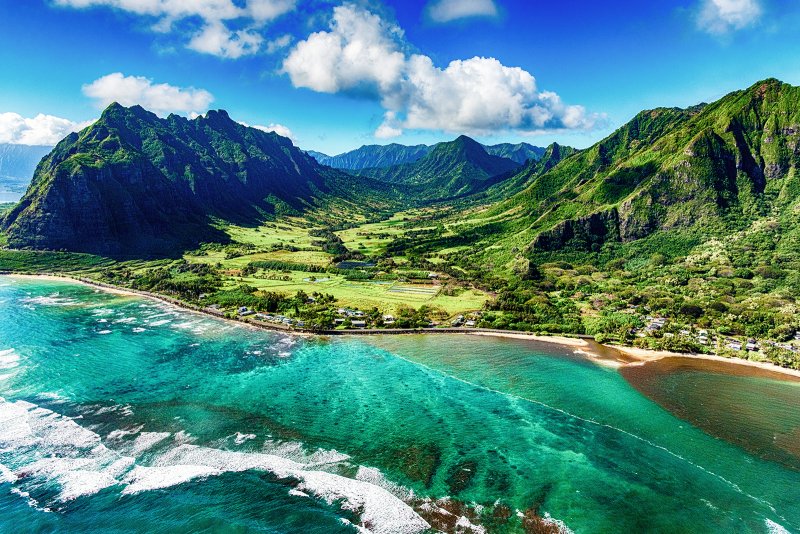
iStock-Art-Wager
Whether it is your first time breathing underwater or your hundredth dive, scuba diving in Hawaii is fantastic. This chain of volcanic islands in the middle of the Pacific Ocean combines breathtaking underwater topography, diverse marine life, and a warm aloha spirit - making it a dream destination for scuba divers of all experience levels.
From thriving reefs and dramatic lava tubes to close-up encounters with sharks, Hawaii has something to offer every diver. Here is your complete guide to scuba diving in Hawaii - what to expect, where to go, and how to plan an unforgettable, eco-friendly dive trip.
Hawaii’s isolation in the middle of the Pacific has created a unique underwater ecosystem you will not find anywhere else. Over 20% of Hawaii’s marine species are endemic - meaning they are found only here - and the underwater topography is just as dramatic as the islands themselves, with volcanic cliffs, arches, caves, and lava tubes.
You can expect year-round diving, with dozens of dive sites to explore, warm water, and the chance to encounter everything from colorful nudibranchs to mantas, turtles, dolphins, and even whales. The cultural connection to the ocean adds another dimension to your dives, making every experience more meaningful.
Each island has its own personality, and scuba diving in Hawaii offers something unique no matter where you go.
Best for: Wrecks, convenience, and variety
Oahu is home to Hawaii’s most famous wreck dive, the YO-257, along with several others like the Sea Tiger and USS Nashua. You will also find healthy reefs, walls, and shore dives. With Honolulu as your base, Oahu is perfect if you are combining scuba diving in Hawaii with city life and nightlife.
Oahu is the easiest island to reach and a great all-round choice. You will find accessible reefs full of green sea turtles, frogfish, and reef sharks, plus some of Hawaii’s most famous wrecks, like the YO-257 and the Sea Tiger. Calm south shore waters in summer make it a good spot for new divers, while advanced divers can venture to the deeper wrecks or caves on the west side.
Best for: Manta rays and lava tubes
The Big Island offers some of Hawaii’s most unique diving, with dramatic lava tubes, underwater arches, and the famous manta ray night dive. The Kona Coast is especially well known for its calm, clear waters and vibrant marine life, making it a favorite for photographers and beginners alike.
Kona is the hub of diving on the Big Island, with plenty of dive sites, operators, and easy access to the best reefs and pelagic encounters. Expect to see manta rays, dolphins, and, if you are lucky, even hammerhead sharks in deeper offshore waters.
READ MORE: Manta Madness - Experiencing the iconic Kona Manta Dive
Best for: Coral reefs and photographers
Maui is one of the most popular islands for scuba diving in Hawaii, thanks to its calm, clear waters and abundance of reef life. The Molokini Crater is a must-visit for its crescent-shaped volcanic walls and high visibility, while Turtle Town offers almost guaranteed encounters with Hawaiian green sea turtles.
Best for: Advanced divers and adventure seekers
Kauai offers a quieter, more rugged side of scuba diving in Hawaii, with numerous lava tube dives. Dive sites like Sheraton Caverns are teeming with marine life. Advanced divers can tackle the challenging currents at Niʻihau, a nearby island accessible only in summer, known for its monk seals and dramatic underwater cliffs.
Best for: Experienced divers seeking off-the-beaten-path adventure.
Lanai offers some of the most unique topography in Hawaii, with cathedral-like lava formations, caverns, and pinnacles. Molokai is even wilder - advanced divers can encounter large pelagics and scalloped hammerhead sharks here. Both islands are best explored by boat and tend to be uncrowded.
Love Pacific diving? Discover pristine reefs, wrecks, and hidden gems in our guide to scuba diving the Solomon Islands.
One of the many perks of scuba diving in Hawaii is that it is a year-round activity. Water temperatures hover between 24–27°C (75–81°F), and visibility can reach up to 30 meters (100 feet) on a good day.
That said, conditions do vary slightly:
- Summer (May–October): Warmer water, calmer seas, better visibility - perfect for beginners and snorkelers.
- Winter (November–April): Cooler water and bigger swells on northern shores. Humpback whales migrate through Hawaii during this time, and you can often hear their songs underwater.
Some sites (like Niihau) are only accessible in summer due to calmer seas.
What Experience Level Do You Need?
Many of the places you can go diving in Hawaii are beginner-friendly, but some locations - like wrecks and strong-current drift dives - are best suited for advanced divers. If you are new to diving or want to expand your skills, consider these SSI courses before your trip:
These certifications will all help you get the most out of your Hawaiian dives. And if you want to go diving with mantas in Hawaii, become an SSI Manta & Ray Ecology Diver.
Hawaii’s reefs are fragile, and responsible diving is crucial here. When booking, choose operators who actively support marine conservation efforts, limit group sizes to avoid crowding reefs, and enforce no-touch, no-feed policies.
You can also support programs like SSI’s Blue Oceans initiative, which promotes environmentally responsible diving around the world.
Hawaii was one of the first places in the world to ban the sale of sunscreens containing oxybenzone and octinoxate - chemicals known to harm coral reefs. Always use reef-safe sunscreen to help protect these delicate ecosystems.
Bring or rent a full wetsuit: 3mm is usually enough, but some divers prefer 5mm in winter. Reef-safe sunscreen is required by law in Hawaii, so make sure you take some with you. Top brands include Raw Elements USA, Stream 2 Sea, and Badger.
Pack non-drowsy motion-sickness medication if you are prone to seasickness. Book dives ahead of time, especially during peak season (summer and holidays). Remember to log your dives using the MySSI app to track your progress and remember your favorite sites.
Hawaii’s main gateway is Honolulu International Airport (HNL) on Oahu, with direct flights from many U.S. cities and international hubs. You can easily connect to the other islands from there. Inter-island flights are frequent and quick, usually under an hour.
Few destinations compare to the variety, beauty, and accessibility of scuba diving in Hawaii. Whether you are a first-time diver or a seasoned explorer, these islands offer something unforgettable - pristine reefs, graceful sharks, lava tubes, mantas, and more, all framed by Hawaii’s warm aloha spirit.
Find an SSI-certified dive center to book your dives and start exploring Hawaii’s incredible underwater world.