What Types of Lifeguard Training Certification Are There?
swim
SSI
SSI lifeguard certifications are designed for specific environments, from pools and inland waters to coastal beaches, with clear progression paths. Lifeguard training is not one-size-fits-all. The certification you need depends on where you will be working, who you will be protecting, and the type of water you will be responsible for. Pools, lakes, and beaches all come with very different risks — and lifeguard training reflects that.
In this guide, we break down the different lifeguard training certification options, explain what each role prepares you for, and help you understand which pathway makes sense for your goals — whether you are starting out, looking for seasonal work, or building a long-term career in aquatic safety.
SSI offers a range of lifeguard certifications designed for different aquatic environments, from pools and waterparks to inland open water and coastal beaches. Below is a clear breakdown of each certification, what it prepares you for, and when it is the right choice.
Entry-Level Supervision in Controlled Pool Environments
The Water Safety Attendant program is the starting point for lifeguard training. It is designed for individuals who supervise swimmers in pools, resorts, and waterparks, where prevention and early intervention are key.
Training focuses on safe supervision, recognizing hazards, basic rescue techniques, and emergency response. Water Safety Attendants always work alongside a certified Pool Lifeguard, making this a supportive role rather than an independent one.
- A strong option for teenagers, first-time aquatic staff, and seasonal resort employees.
Full Responsibility for Swimmer Safety in Pools
The Pool Lifeguard certification prepares candidates to take full responsibility for swimmer safety in professional pool settings. This role goes beyond supervision and includes active surveillance, rescues, and medical response.
Training covers water rescues, first aid, oxygen administration, and basic spinal management, with a strong emphasis on decision-making under pressure. Pool Lifeguards are essential in swim schools, aquatic centers, and high-traffic facilities.
- Ideal for those seeking greater responsibility in controlled water environments.
Curious what being a lifeguard actually involves? Read: What Are The Responsibilities Of A Lifeguard?
The Inland Open Water Lifeguard program prepares lifeguards for natural, non-tidal environments where conditions are less predictable than pools. Reduced visibility, variable temperatures, and longer response times all increase risk.
Training emphasizes advanced prevention strategies, extended rescues, search patterns, and managing emergencies in open water. This certification is commonly required at inland beaches and recreational swimming areas.
- Best for those working in lakes, rivers, or large freshwater swim zones.
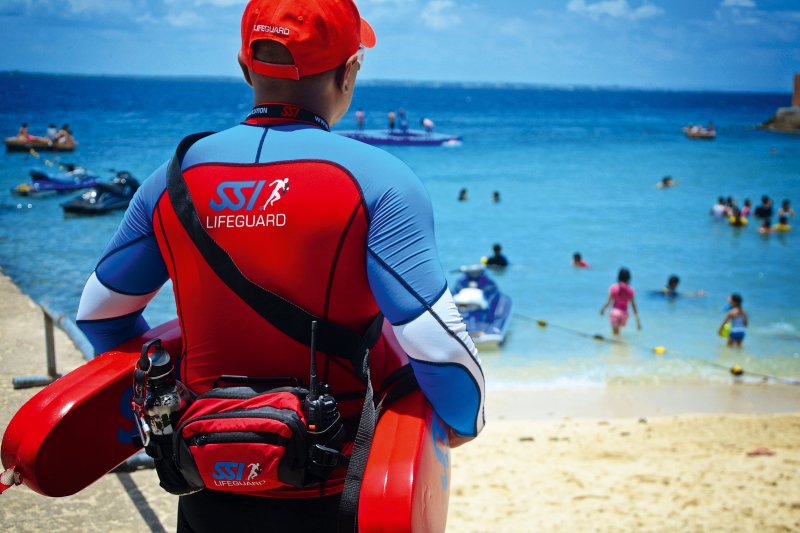
The Beach Lifeguard certification is one of the most demanding roles in lifeguarding. Coastal environments require lifeguards to manage waves, tides, currents, and large public areas, often simultaneously.
Training focuses on surf rescues, rip current management, teamwork, and responding to multiple incidents in dynamic conditions. Physical fitness, situational awareness, and communication are essential skills at this level.
- Designed for public beaches and resort coastlines with active surf conditions.
Lifeguard Instructor certifications open the door to leadership and teaching roles:
- Level 1 Lifeguard Instructor allows you to teach and certify Water Safety Attendants, Pool Lifeguards, and Inland Open Water Lifeguards.
- Level 2 Lifeguard Instructor qualifies you to teach all SSI Lifeguard programs, including Beach Lifeguard, and apply to become a Lifeguard Instructor Trainer.
These programs focus on evaluation, feedback, and delivering structured SSI training and are ideal for career lifeguards, trainers, and aquatic center leaders.
GET INSPIRED: Find Your Purpose — Why Lifeguarding Is More Than Just a Job
Before enrolling, candidates must demonstrate basic water competence through a water fitness evaluation, typically including a swim test and survival float.
- Entry-level programs usually start at age 14
- Inland Open Water Lifeguard and higher certifications generally require age 15 or older
All students create a MySSI profile, which stores digital learning materials, training records, and certifications. Medical questionnaires, liability forms, and training records are required.
Parental consent is mandatory for minors.
Costs vary by location and may be charged per course or as a bundled package. All candidates must affiliate with an SSI Training Center to ensure proper supervision and standardized instruction.
Instead of asking "Which course is best?", ask where you want to work and how much responsibility you want.
- Pools, resorts, waterparks: Start with Water Safety Attendant or Pool Lifeguard.
- Lakes and rivers: Inland Open Water Lifeguard is usually required.
- Beaches and coastal areas: Beach Lifeguard certification is essential.
- Teaching or leadership goals: Instructor-level training offers long-term progression.
Local demand matters. Different regions prioritize different certifications, so speaking directly with an instructor can save time and unnecessary training.
Choosing the right lifeguard training certification is the first step toward a role where your skills can genuinely save lives. Whether you are looking for seasonal work, a long-term career, or a pathway into instruction, understanding your options helps you train with purpose.
Use the SSI Center Locator to find a certified lifeguard training center near you and get advice tailored to your location and goals.
→ Find an SSI Lifeguard Training Center Near You
The certification you need depends on where you work: pools require Pool Lifeguard certification, lakes and rivers require Inland Open Water Lifeguard, and beaches require Beach Lifeguard certification.
A Water Safety Attendant supports supervision and works alongside a Pool Lifeguard. A Pool Lifeguard holds full responsibility for swimmer safety and emergency response.
Most entry-level lifeguard certifications start at age 14. Open water and beach lifeguard certifications typically require candidates to be 15 or older.
You can find certified lifeguard training centers using the SSI Center Locator, which lists local programs by location.