The Ultimate Checklist for Your First Freediving Trip Abroad
freedivingtravel & tours
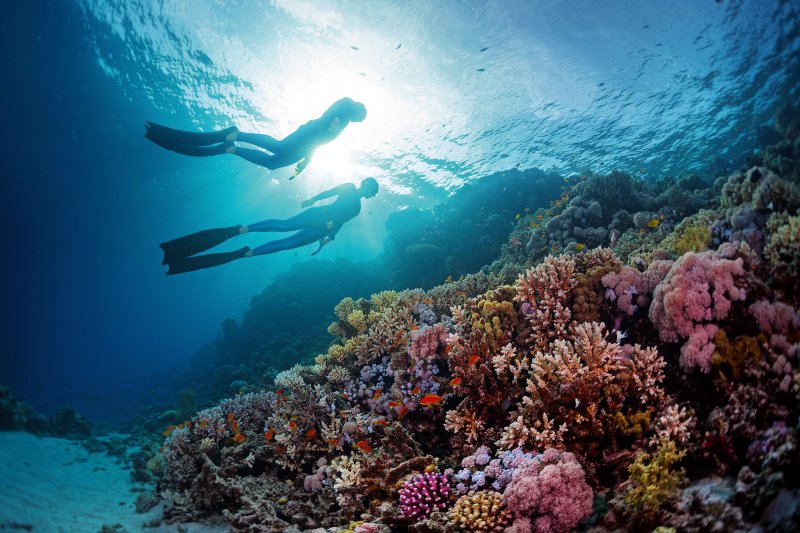
fotolia-Dudarev-Mikhail
Planning your first freediving trip abroad? Whether you are exploring the blue depths of the Philippines, the cenotes of Mexico, or the coral reefs of Egypt, proper preparation is essential for a smooth and unforgettable adventure.
This comprehensive checklist covers everything from travel planning and dive site selection to equipment considerations and cultural etiquette - ensuring you are fully prepared for your freediving journey.
Planning your first freediving trip abroad does not have to be overwhelming - follow these simple steps to choose the perfect destination, pack smart, and dive with confidence.
Not all freediving locations offer the same experience. Some are ideal for deep dives, while others are better for marine life encounters or relaxed training conditions. Consider the following factors when selecting your destination:
Freediving Conditions:
- Water temperature, visibility, and depth availability
- Are there strong currents or challenging conditions?
Best Time to Visit:
- Research seasonal weather patterns to avoid monsoons or hurricanes
- Identify which months have the best freediving conditions
Explore the freediving sites at your preferred destinations and look for reputable freediving centers if you plan to train or take a course. Use the SSI Dive Site Locator to explore top-rated freediving spots worldwide, rated by other divers.
Also, check if there are hyperbaric chambers and freediving-experienced medical professionals nearby.
Prefer staying closer to home? Check out: How To Find The Best Local Freediving Spots
When booking flights for your freediving trip abroad, check airline policies on sports equipment carefully - some carriers have restrictions on freediving gear, and it is worth knowing the weight limits and fees in advance.
Whenever possible, choose flights with comfortable layovers to minimize stress and avoid tight connections, which can lead to delays. Staying hydrated before and during long-haul flights is also important, as travel fatigue and dehydration can directly impact your freediving performance once you arrive.
When choosing accommodation, aim to stay as close to the dive sites as possible to reduce transportation time each day. Look for diver-friendly lodgings that provide fresh water access for rinsing your gear and a dedicated space for drying equipment.
If you prefer to stick to a healthy diet during your trip, consider booking a place with kitchen facilities so you can prepare your own meals when needed.
Packing the right gear is one of the most important steps in preparing for your freediving trip. Not only does it ensure comfort and safety, but it also helps you avoid surprises at your destination. Here is our recommended checklist:
Essential Freediving Gear
- Low-volume freediving mask and snorkel
- Freediving fins (shorter fins can be easier to pack)
- Wetsuit (thickness depends on the water temperature)
- Weight belt
- Freediving computer
- Safety lanyard
Additional Items to Consider
- Neoprene socks and gloves for cold-water dives
- Anti-fog solution for your mask
- Water bottle and electrolyte supplements
- Compact first aid kit, including ear drops
Ask your preferred dive center about their equipment rental policy to avoid excess luggage. Many destinations offer rental equipment, but bringing your own helps ensure comfort and reliability.
Discover the top freediving fins of 2025 - cutting-edge design and picks for every diver.
Each freediving destination has its own regulations and expectations, so it is important to familiarize yourself with them before you dive. In some areas, you will need a special permit to freedive, or you may be limited to specific designated sites.
Certain marine parks or reserves also require you to hire a local guide for safety and conservation reasons. Take time to learn about ongoing conservation efforts at your destination and follow best practices to avoid disturbing marine life.
If you have not already joined SSI’s Blue Oceans initiative, now is the perfect time. Blue Oceans helps divers and freedivers develop environmentally responsible habits, educates you about the impact of your actions underwater, and connects you to a global community of ocean advocates.
Join SSI Blue Oceans today – gain the tools and knowledge to reduce your impact, protect the environments you explore, and ensure future generations can enjoy them too.
Respecting the local culture goes hand-in-hand with being a responsible traveler. Learn a few basic greetings in the local language to show courtesy to the people you meet. Pay attention to local dress codes, particularly in more conservative regions where modest clothing may be expected.
It is also a good idea to understand customs around tipping, bargaining at markets, and general interactions with locals, so you can navigate social situations with confidence and respect.
Maintaining peak physical condition is crucial for an enjoyable and safe freediving trip. Make sure you follow our top health and safety tips:
Essential Health Items to Pack
- Rehydration salts and electrolyte supplements
- Reef-safe sunscreen and protective clothing to prevent sunburn
- Motion sickness tablets if planning boat dives
- Travel vaccinations, if required for your destination
Staying Healthy While Traveling
- Drink only bottled or filtered water to avoid stomach issues
- Eat balanced, easily digestible meals before diving
- Avoid excessive alcohol consumption, especially before deep dives
Optional Medical Preparations
- Get a medical check-up before traveling to ensure you are fit for freediving
- Carry international dive accident and travel insurance that covers freediving-related incidents
- Locate the nearest hospital in case of emergencies
Level up your freediving trip playlists: The Power of Freediving Music: Can It Boost Your Performance?
If your freediving trip includes training, proper scheduling is essential to avoid overexertion. Decide if your focus is on depth training, technique improvement, or any particular freediving discipline.
Take your time and research available freediving courses if you are pursuing certification. SSI offers a range of programs, from beginner-friendly freediving courses through to advanced freediving and professional freediver certifications.
When planning your dive schedule, give yourself time to recover from travel before hitting the water, and include rest days throughout your trip to avoid overexertion and help your body adapt. Be sure to leave at least 12 hours between your final deep dive and your flight home for safety.
Freediving trips create unforgettable moments, and documenting them allows you to relive the adventure. When sharing your experience, do so responsibly by crediting dive centers and local guides to support sustainable tourism.
Educate others about marine conservation through your social media posts, and respect the privacy of other divers when posting group photos.
Your first freediving trip abroad is an exciting milestone. With the right preparation, you can focus on what truly matters - exploring the ocean, improving your skills, and creating unforgettable memories.
Find a trusted freediving school and start planning your adventure today with the https://www.divessi.com/locator/trainingcenters.
Look for locations with calm waters, good visibility, and minimal currents, such as Dahab in Egypt or Bali in Indonesia.
If you are a more advanced freediver, you may prefer deeper sites with stronger conditions, like Dean’s Blue Hole on Long Island, Bahamas, or Roatan in Honduras.
Always research depth availability, water conditions, and local dive centers before booking.
Many freedivers pack their fins in hard-shell suitcases or separate fin bags to prevent damage. Avoid traveling with lead weights, as they are heavy and usually available for rent at dive centers.
Stay hydrated, avoid diving if you have a cold or congestion, and practice equalization techniques before your trip. Pack a first aid kit with ear drops, saline spray, and decongestants if needed.
Discover our top tips and techniques for better equalization in our Guide to Ear Equalization for Freedivers.
Stick to light, easily digestible meals a few hours before diving. Foods rich in complex carbohydrates, such as oats, bananas, or whole grains, provide sustained energy.
Avoid heavy, greasy foods and excessive caffeine, which can cause bloating or dehydration.
Unlike scuba diving, freedivers generally do not experience decompression sickness, but it is still recommended to wait at least 12 hours after freediving before flying.
This allows your body to recover and reduces the risk of barotrauma or sinus issues.