Best Gear for Scuba Diving Instructors: What the Pros Use
scuba diving
mares
When you are working as a professional diver, your gear is not just equipment—it is your livelihood. Scuba diving instructors need gear that can survive daily dives, travel, and the wear of teaching while still delivering safety and reliability. The challenge? Knowing which products are worth investing in.
In this essential guide, we break down the best diving gear for scuba diving instructors—from rugged BCDs and regulators to pro-level dive computers and exposure suits—so you can focus on teaching, not troubleshooting.
Want the short version? Here are the top gear picks every scuba diving instructor should consider—tested, durable, and built for professional use.
Choosing the right equipment is one of the most important steps for scuba diving instructors. Your gear not only keeps you safe but also sets the standard for your students. The following recommendations highlight durable, professional-grade options designed to withstand the demands of teaching.
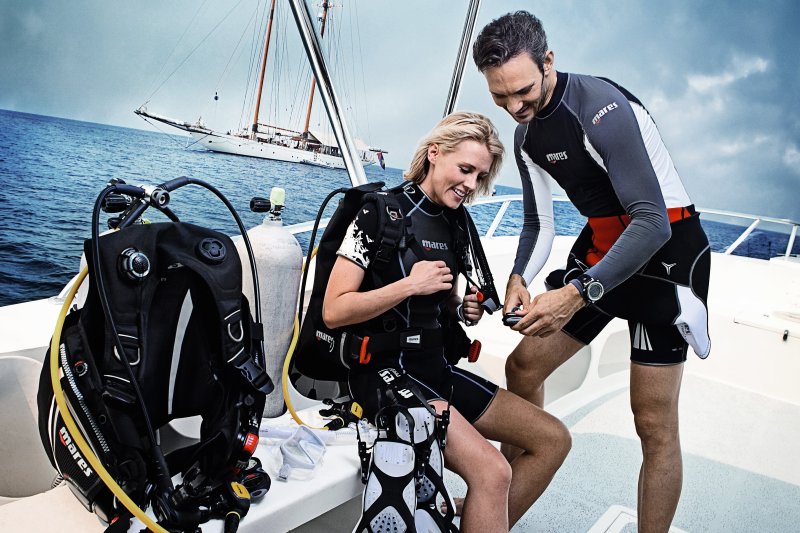
Scuba diving instructors spend countless hours inside their trusty BCD, taking it to multiple locations, from warm tropical waters to trickier dive spots with colder temperatures or overhead locations. So comfort, durability, and functionality are vital.
The Mares Dragon BCD offers over‑engineered lift capacity and heavy‑duty components designed to resist frequent packing, strap abrasion, and exposure to sun and salt. It includes adjustable weight pockets and tank mounts that maintain position even with students climbing in and out of the water behind you.
Alternatively, the Mares Prestige BCD delivers a streamlined yet reinforced jacket-style build with adjustable inflation and commendable buoyancy distribution. The low‑profile harness system adapts easily to different exposure suits, and friendly serviceability means scuba diving instructors can replace worn parts without discarding the entire unit, helping save cost and reduce waste.
As scuba diving instructors, your regulator is arguably the most important piece of equipment in your gear bag. It will join you on long days in the water, performing demonstrations, deep dives, student rescue practices, and much more. Your regulator is your lifeline and not a place where you want to skimp.
The Mares Prestige 15X has proven itself through balanced diaphragm design, durable construction, and smooth breathing response across varying depths. Its soft‑purge second stage makes teaching safety drills seamless, while supporting quick recovery from free-flow situations.
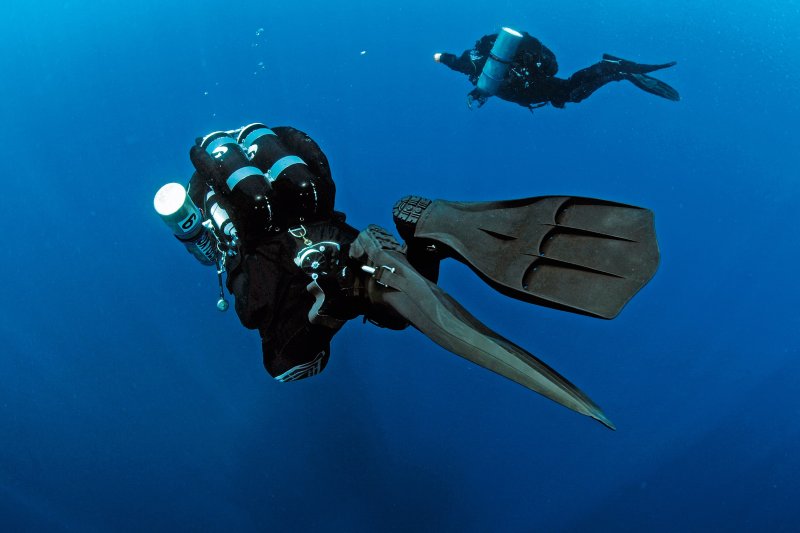
For technical diving or nitrox/enriched gas courses, the Mares 28XR‑HR could be more suited. Its modular build and multiple high-pressure ports make it ideal for twin sets, sidemount, or stage bottle configurations. The rotating turret on the first stage simplifies hose routing and helps instructors demonstrate gear setups effectively to students. Robust materials and environmental sealing ensure consistent performance in both tropical and cooler waters.
Committed to becoming a dive pro? Read this: Make a Living as a Dive Pro: Salaries, Top Dive Jobs, and Insider Tips
Scuba diving instructors who lead deep or nitrox dives need a dependable computer capable of handling various gas mixes.
The Mares Quad Ci computer offers multi-gas planning, a bright and intuitive display, Bluetooth syncing for quick log uploads, and a rugged case designed for boat handling and regular impacts. Its sophisticated RGBM algorithm adapts well to professional use and repetitive dives.
Another excellent model is the Mares Sirius, which features a user‑friendly interface, easy switching between gas mixes, and battery life built to last extended instructional sessions. Both computers support nitrox and offer customizable conservatism levels, ideal for guiding students safely.
nowak-min
Backup masks and fins keep lessons running smoothly when equipment fails.
Scuba diving instructors know that gear failures happen. Mask straps can break, and fin straps can snap, so having backups can make all the difference between continuing a lesson or cutting the dive day short.
The Mares X‑Vision Ultra LiquidSkin mask features flexible silicone, a wide field of view, a fog-resistant fit, and durability that resists cracking or warping. It is comfortable enough to swap in if a student's mask leaks unexpectedly.
The Mares Avanti Quattro+ fins are a stalwart favorite. They offer a channel-blade design with excellent propulsion and shock resistance—helpful during long surface swims or instructor-led recovery drills.
Not sure if teaching is for you? Find your path in: 10 Scuba Industry Jobs for Divers Who Do Not Want to Teach
shutterstock_RLS-Photo
Exposure suits protect instructors in both tropical and cold-water conditions.
The range of teaching locations is wide, from calm tropical reefs to colder choppy seas, so exposure protection might be something you need to consider. Getting cold while teaching is no fun!
The Mares Evolution 7, 7mm Wetsuit features reinforced seams, knee pads, and high-stretch neoprene that stands up to frequent saltwater soaking and constant wear. It keeps scuba diving instructors comfortable while managing intense dive schedules or long surface intervals in temperate air conditions.
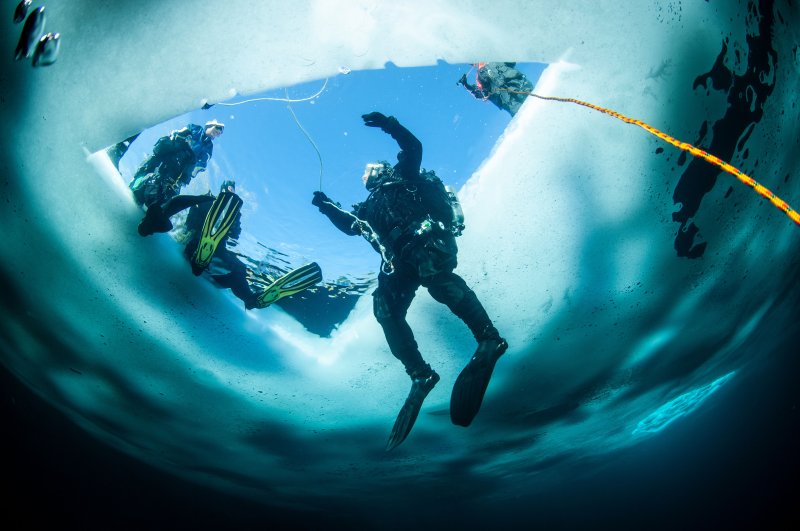
For colder or varying conditions, the Mares XR3 Drysuit offers thermal protection, ease of donning and doffing, and reliability across seasons. With double-dome zippers, reinforced soles, and carefully designed seals, the suit reduces heat loss while you conduct multi-dive training days or rescue practice. Quality exposure suits can extend bottom times, reduce fatigue from a long day in the water, and enhance safety.
Traveling between dive centers, remote islands, or classroom-to-site transitions requires trusty gear bags that protect all your valuable equipment.
The Mares Cruise Roller Bag is built with rugged wheels, weather-resistant fabric, and reinforced zippers that survive constant handling. Separate compartments help scuba diving instructors organize masks, fins, regulators, dive computers, and notes, reducing setup time before classes.
Curious what life as an instructor involves? Check out: Best job ever? What being a dive instructor is really like
Underwater communication is so important for teaching, and hand signals can only get you so far when trying to explain something to a student. Underwater slates are very helpful and inexpensive, but they need to resist the repeated dunks of a dive day.
The Mares Underwater Slate is rugged, double-sided with predrilled holes, and comes complete with attached pencil and lanyard. It withstands rough handling and remains legible even in cold water.
For those teaching in more remote or high-volume locations, the Mares Technical Tool Kit offers comprehensive tools: hex keys, hose clips, extra screws, and fin adjustment tools. This kit ensures scuba diving instructors can handle unexpected gear needs or student fittings on the spot.
Have you tried a 360 camera yet? Check out: How To Use 360 Cameras to Capture the Ocean Like Never Before
As scuba diving instructors work through hundreds of dives each year, their gear must consistently perform without failure. Investing in high-quality equipment such as BCDs, regulators, computers, and backups reduces the risk of failures or breakages during training sessions—minimizing student disruptions and reinforcing safety standards.
When students see an instructor using well-kept, reliable gear, it builds trust and communicates professionalism.
Whether you are leading an SSI Open Water Diver course, teaching buoyancy control, or working on safety stops, dependable gear matters. It allows you to focus on what matters most: helping your students thrive.
Choosing the Right Gear as a Scuba Diving Instructor
Scuba diving instructors need gear that is as resilient and dependable as their commitment to teaching. Whether you are an experienced instructor with years of experience or you are about to embark on your SSI Open Water Instructor course, get the right kit. You are investing in a career built around safety, continuity, and conscientious diving.
Ready to take the next step?
Connect with your local SSI Training Center to get expert advice on the best gear for your needs—and make sure you are fully equipped for a safe and successful career.
Do instructors really need pro-level gear?
Yes. While recreational dive gear can work, professional-grade gear is designed for durability, reliability, and repeated daily use.
What is the top gear priority?
Your regulator and BCD top the list. They are your lifeline underwater and the foundation of safe, effective instruction.
How often should I replace my gear?
With servicing, regulators and computers last for years. BCDs and suits wear faster under heavy use.
Do I need spares of everything?
No. Carry backups for small failure-prone parts (mask, straps, o-rings) plus a toolkit.