9 Dive Certifications Every Experienced Diver Should Consider
scuba divingfreedivingextended rangemermaid
gerald_nowak-min
You have mastered the basics, logged plenty of dives, and now you are ready for more - more depth, more challenge, more adventure. Whether you want to dive deeper, stay longer, explore wrecks or caves, or simply feel more confident in the water, these SSI dive certifications will help you take your skills - and your dives - to the next level.
These are not just cards to collect - they are dive certifications to help you dive smarter, safer, and with a deeper connection to the underwater world. Here are nine specialty courses to get started:
The SSI Deep Diving specialty takes you beyond recreational limits, teaching you to dive safely between 18 and 40 meters. You learn how to plan deeper dives, manage gas and decompression theory, and recognize the effects of pressure and nitrogen narcosis.
This is one of the most popular dive certifications for confident Open Water Divers who want to expand their skills and explore more advanced sites. It doubles your depth range and prepares you to dive dramatic drop-offs, towering walls, and the haunting beauty of deep wrecks.
Where to use it: The warm, turquoise waters of Dahab in Egypt, deeper Caribbean wrecks, or the steep reef faces around Bali and the Maldives.
One of the most popular dive certifications, Enriched Air Nitrox teaches you how to use gas blends with higher oxygen content to extend your no-decompression limits. You learn how to analyze your tank, set your dive computer for Nitrox, and dive within safe oxygen exposure limits.
This certification is ideal for divers who make multiple dives in a day, such as on liveaboards or dive holidays. It does not unlock new sites, but it lets you spend more time exploring the ones you love - and many divers report feeling less tired when diving on Nitrox.
Where to use it: Nitrox shines on multi-dive days in the Red Sea, Mexico's remote Socorro Islands, or the Great Barrier Reef.
The Wreck Diving specialty is perfect for anyone drawn to history, mystery, and marine life. You learn how to explore sunken ships safely and practice non-penetration wreck dives up to 30 meters deep.
This course builds confidence and opens up one of the most fascinating types of dive sites. It is one of the essential dive certifications for adventurous divers or history enthusiasts who want to experience the emotion and ecology of underwater wrecks.
Where to use it: Iconic sites like the WWII wrecks of Truk Lagoon, diving the wrecks of Malta, and Scotland's remarkable Scapa Flow.
Discover the Solomon Islands - a hidden gem for wrecks and vibrant marine life. Find out why it is a wreck diver's paradise.
Diver Stress & Rescue prepares you to prevent, recognize, and respond to problems underwater - in yourself and others. You learn to manage stress, perform self-rescue, assist tired or panicked divers, and handle emergencies with calm and skill.
Many divers say this is one of the most rewarding dive certifications you can complete. This course is ideal for anyone who wants to feel more confident and in control. It is especially valuable if you often dive with less experienced buddies or in challenging conditions. While it does not expand your access to specific sites, it makes every dive safer and more enjoyable.
Where to use it: Anywhere - from busy holiday reefs to remote drift sites.
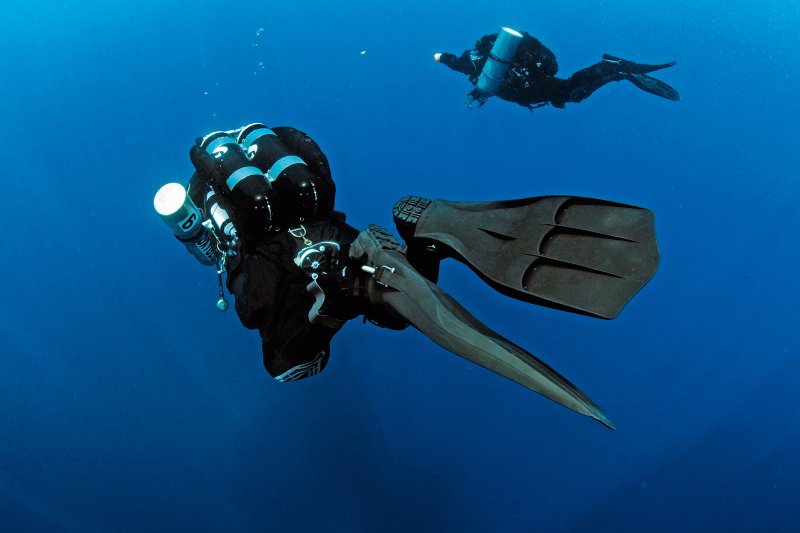
Extended Range Foundations is a workshop-based course that sharpens your diving fundamentals to a high level. You learn more about using tec diving gear and master buoyancy, trim, finning techniques, and more.
This is ideal for divers who want to improve precision and efficiency or prepare for technical dive certifications like Extended Range Trimix, Mine Diving, and wreck penetration diving.
It does not increase your depth yet, but it builds the discipline and skills for more complex dives.
Where to use it: As preparation for deep wrecks, caves, or high-current environments in places like Malta, Egypt, or Mexico.
See how far tec diving can take you. Read: The World's Best Ultra-Deep Technical Dive Sites
Science of Diving is a theory-based course that gives you a solid understanding of diving physics, physiology, decompression theory, and equipment. You learn why things happen underwater - not just how to react.
This specialty is ideal for divers who want to understand the principles behind safe and efficient diving. Upon completion, you will be halfway to earning the coveted SSI Divemaster rating. This course transforms how you think and plan.
Where to use it: Universally useful, particularly in more complex environments like cold water dive sites in Canada, deep wrecks, or technical dives.
SSI's Ecology specialties deepen your appreciation for the underwater world. You can choose from courses like Shark Ecology, Sea Turtle Ecology, Coral Identification, and more - each focused on species, ecosystems, and conservation.
These dive certifications are ideal for wildlife enthusiasts, photographers, and anyone who wants to connect more deeply with marine life. They make every dive richer, more engaging, and more meaningful.
Where to use it: Choose based on interest - tiger shark diving in the Bahamas or diving with Fiji's bull sharks, turtles in Sipadan, or coral identification for the best dive spots in the Coral Triangle.
Spread the ocean love. Here are: Top 7 Ways to Bring Marine Education to Your Community
Sidemount Diving teaches you how to use cylinders mounted along your sides rather than on your back. This setup offers better streamlining, easier valve access, and reduced back strain, while improving trim and buoyancy.
It is ideal for divers who want more comfort, control, or who are interested in overhead or technical environments. Sidemount is increasingly popular among both recreational and technical divers.
Where to use it: Especially useful for cenote diving in Mexico, Florida's freshwater caves, or tight wreck spaces in Malta.
The Cavern Diving specialty bridges the gap between open water and full cave diving. You learn how to navigate safely within the light zone of caverns, use cavern diving gear, manage gas, and hone your buddy team skills.
This course is ideal for confident divers curious about caves or drawn to geological formations and confined spaces. It builds awareness, precision, and confidence in overhead conditions.
Where to use it: Mexico's cenotes, Florida's spring systems, or Mediterranean sea caves in Sardinia and Spain.
With so many exciting dive certifications to choose from, it can be hard to know where to start. The best approach is to think about your diving goals and what excites you most:
- Do you want to go deeper?
- Improve your safety?
- Explore wrecks or caves?
- Or simply learn more about marine life?
Your local SSI instructor or dive center can help you decide which dive certification best matches your current skills, interests, and plans. Every diver's path is different - and that is part of what makes the journey so rewarding.
Diving does not stop at Open Water Diver - it is just the beginning. Each of these dive certifications sharpens your skills, builds confidence, and opens new ways to explore the ocean.
Talk to your nearest SSI dive center about your goals and choose the dive certifications that are right for you.
Your next diving adventure starts here - Visit the SSI Dive Center Locator to find your local center today.