The open seas needs large protected areas
environmentmarine conservationoceanbiodiversitygreenpeace
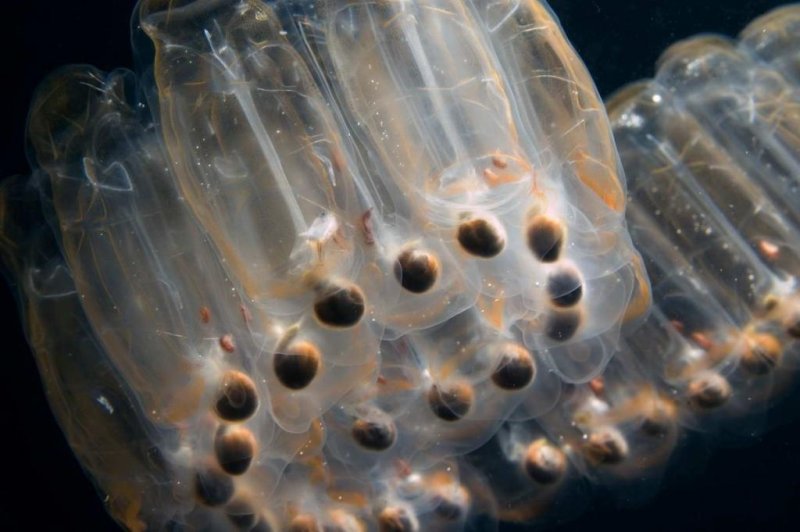
Salps are found most commonly in warm or equatorial seas, where they float randomly, either alone or in long, stringy colonies. There are about 70 species of salps worldwide. (c) Greenpeace / Gavin Newman
UN negotiates offshore protection in New York How is it possible that a network of protected areas can protect at least 30 percent of the world's oceans from human interference by 2030 is shown by Greenpeace and leading oceanographers in a new study. The independent environmental organization publishes " 30x30: A Greenpeace Plan for Marine Protected Areas " on the United Nations (UN) negotiations on the protection of the open seas in New York. " Overfishing, pollution and deep-sea mining are threatening life in our oceans like never before ," says Greenpeace marine biologist Thilo Maack: " Only a global network of protected areas can effectively protect the largest habitat on our planet. " Greenpeace calls on the UN to 2030, to establish the legally binding framework for such a network of protected areas. Only around one percent of the open seas outside national territorial waters are currently under protection. For the current study, Greenpeace and scientists from the British universities of York, Edinburgh and Oxford have modelled a large network of protected areas on environmental data that link high biodiversity habitats, routes for migratory species and ecosystems that are particularly vulnerable. The result with biodiversity hotspots and hot spots of marine destruction is shown on an interactive map at https://www.greenpeaceoceanblueprint.org/ UN set the course for the future of the earth The present calculations of the scientists correspond to the goal of at least 30 percent protected areas on the open seas, which the World Congress of the International Union for Nature Conservation (IUCN) already demanded in 2016. According to the IUCN, the protection of around a third of the oceans decisively influences the preservation of marine biodiversity and acts as a buffer against the consequences of global warming. Government officials negotiate a contract to protect the high seas until 2020. The second of a total of four rounds of deep sea protection ended on 5 April 2019 in New York. At the conclusion of the negotiations, Greenpeace expects progress in the text of the treaty, especially for the establishment of marine protected areas. " This ocean treaty must set the course for the future of the oceans and their inhabitants, " says Maack.
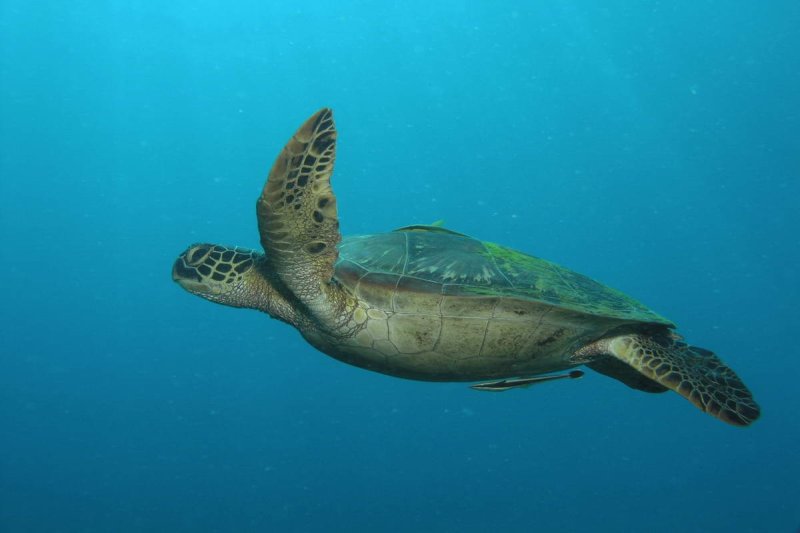
Sea turtles used to be a rare sight in the waters of Apo Island. Since it was declared a marine reserve, it is now common to see Hawksbill and Green Sea Turtles such as this one with remoras hitching a ride. (c) Greenpeace / Danny Ocampo
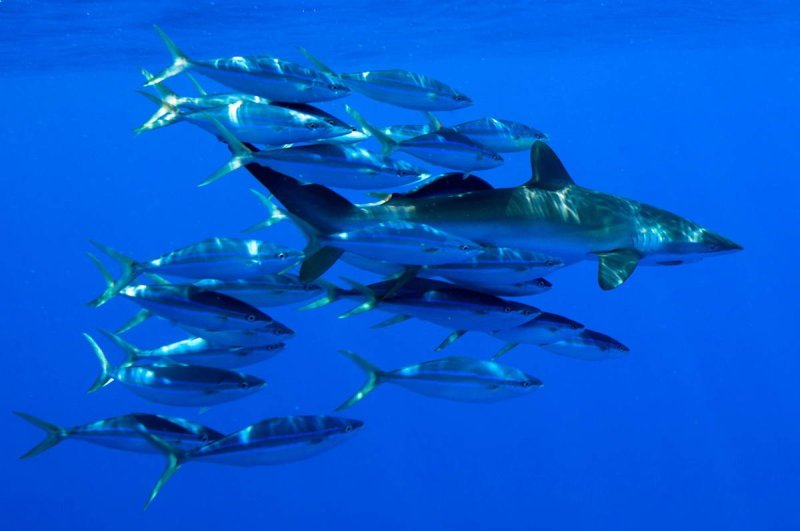
A silky shark and other marine life school around a Fish Aggregating Device (FAD), central Pacific Ocean. (c) Paul Hilton / Greenpeace
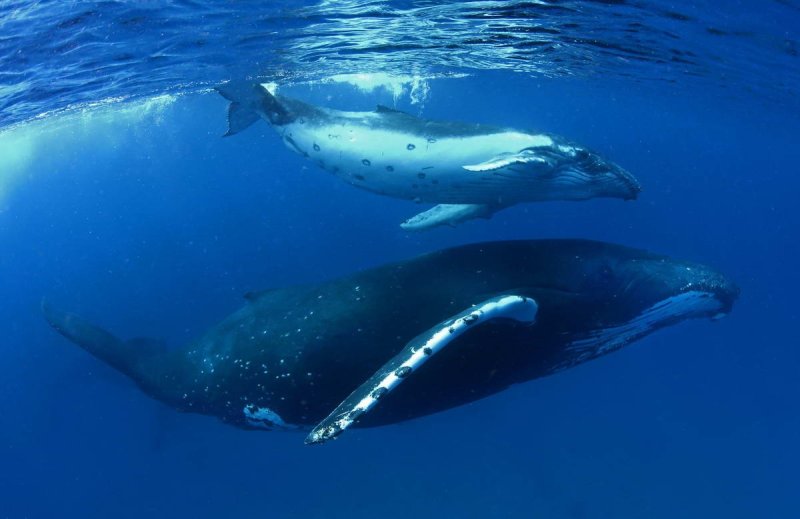
Humpback whales, enjoy the warm waters of the Pacific ocean, Tonga. (c) Paul Hilton / Greenpeace
Dieser Beitrag wurde automatisch übersetzt und kann geringfügige Ungenauigkeiten enthalten; im Zweifel gilt die englische Originalversion.