Scuba Diving Career: Christopher Hokkanen's Unexpected Path
scuba diving
Hanna Uusi-Tarkka
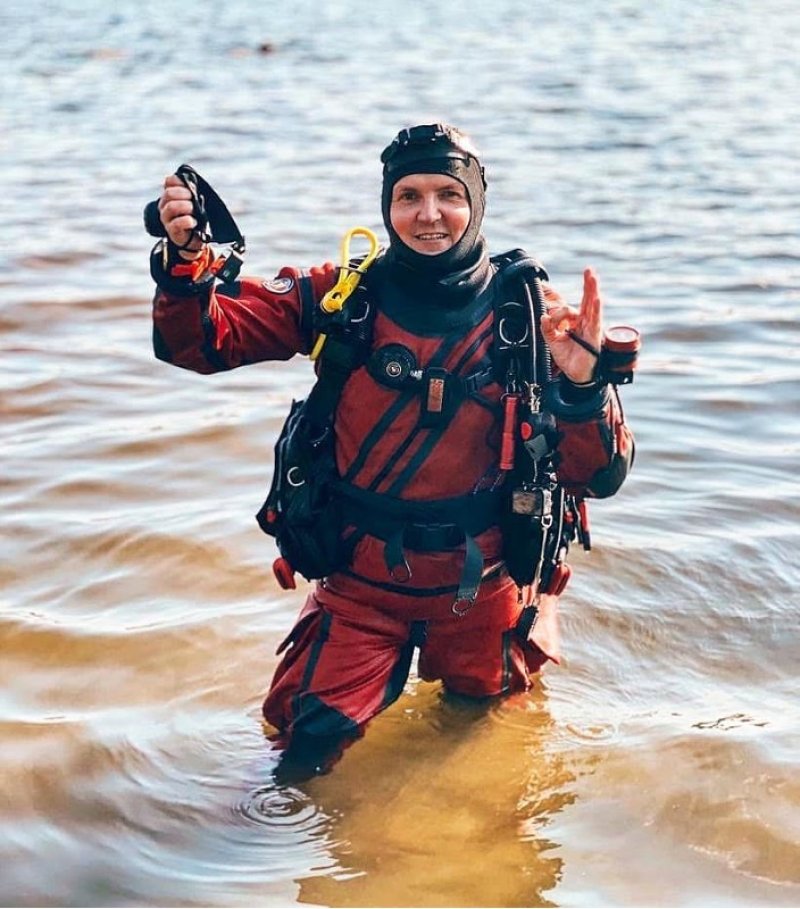
For many, scuba diving begins as a hobby, a way to explore the underwater world on vacation. For Christopher Hokkanen, those first dives became the beginning of something much bigger. Today, the Finnish SSI Master Instructor has built a scuba diving career that reaches from recreational diver education and commercial diving to search and recovery, film safety, and underwater acting.
His journey has taken him from recovering wedding rings lost half a century ago to keeping actors safe beneath the surface on major film productions. Each new role seemed to lead somewhere different. Yet behind every one of them were the same skills, discipline, and connection to the water that had shaped him from the start.
He never expected diving to take him this far. That may be the most fascinating part of his story. We sat down with Christopher to discover how one passion grew into an extraordinary professional life, and why focusing on the next step opened doors he could never have predicted.
Table of Contents:
-
How Do You Build a Scuba Diving Career Beyond Recreational Diving?
-
What Keeps You Motivated After More Than 2,000 Dives?
-
Why Is Search and Recovery So Personal?
-
What Is It Like Working Behind the Camera?
-
What Has Nature Taught You About Confidence Underwater?
-
How Did Diving Become Part of Aquakino?
-
How Can a Dream Become a Scuba Diving Career?
-
Dive Deeper
Your career covers recreational diving, commercial diving, technical diving, search and recovery, film productions, and public safety. Many people see these as completely different worlds. Are they?
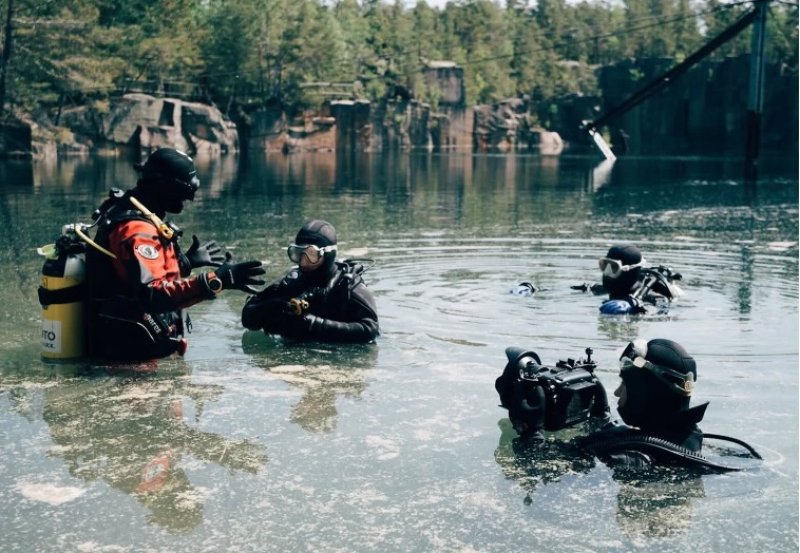
The settings and objectives may change, but the core principles do not. I may be guiding a student through those first entry-level breaths or managing safety on a major film production, but the foundation never changes. Buoyancy, situational awareness, communication, planning, teamwork, and problem-solving are the skills everything else is built upon.
Commercial diving uses those foundations in a different environment. The same applies to technical diving, search and recovery, and public safety diving. Each has its own objectives and equipment, but all build on skills first learned as a recreational diver. That is one reason I still love teaching. The student learning the basics today may one day become a professional diver or simply enjoy a lifetime of recreational diving. A scuba diving career can branch in directions you never expected, but everything still begins with mastering the basics.
Jarno Sula
You have logged over 2,000 dives and spent years training thousands of people. What keeps you motivated after all these years?
Teaching has never been just about issuing certifications. It is about opening the door to an entirely new world. Looking back, I never imagined that learning to scuba dive would lead to commercial diving, underwater acting, and a scuba diving career that would take me so far.
The greatest reward has never been the titles. It has been sharing the passion that shaped my life. Many people find peace through meditation or yoga. I have always found that peace underwater. My breathing settles, my mind slows down, and everything becomes clearer. Even when I am working, that quiet is still there. I hope my story inspires other divers and makes them wonder where their own scuba career might take them.
You have become well known for your search and recovery work, returning everything from wedding rings to Rolex watches. What keeps bringing you back to the water?
One of the biggest misconceptions is that search and recovery is about expensive objects. In reality, it is almost never about money. It is about memories. A wedding ring is not simply a piece of gold. It can represent a marriage, decades of shared life, or someone who is no longer here. When people contact me, they are asking me to help recover part of their story.
Many of these recoveries are voluntary because the emotional value outweighs the monetary value. Seeing the relief, joy, and sometimes tears when I return something people thought was lost forever is what keeps bringing me back. One recovery I will never forget was Auli Ranta's wedding rings, lost underwater for 50 years. Half a century later, we returned them to their owner. The story went viral and was featured by The Mirror in the UK and other outlets.
Altogether, I have had the privilege of returning well over €150,000 worth of lost property. Of course, not every search ends successfully. Search and recovery is about patience and preparation, and the next stories are already waiting to be written. At the moment, I am preparing to search for a real World War II-era treasure chest believed to be buried in a Finnish lake. Success is never guaranteed, but the excitement begins the moment I enter the water.
Interested in learning the skills behind an underwater search? The SSI Search & Recovery Specialty teaches search patterns, dive planning, and specialized equipment for locating lost objects underwater.
Aki Korhonen
Your work includes safety diving for film and television and underwater acting. What is it like working behind the scenes in the entertainment industry?
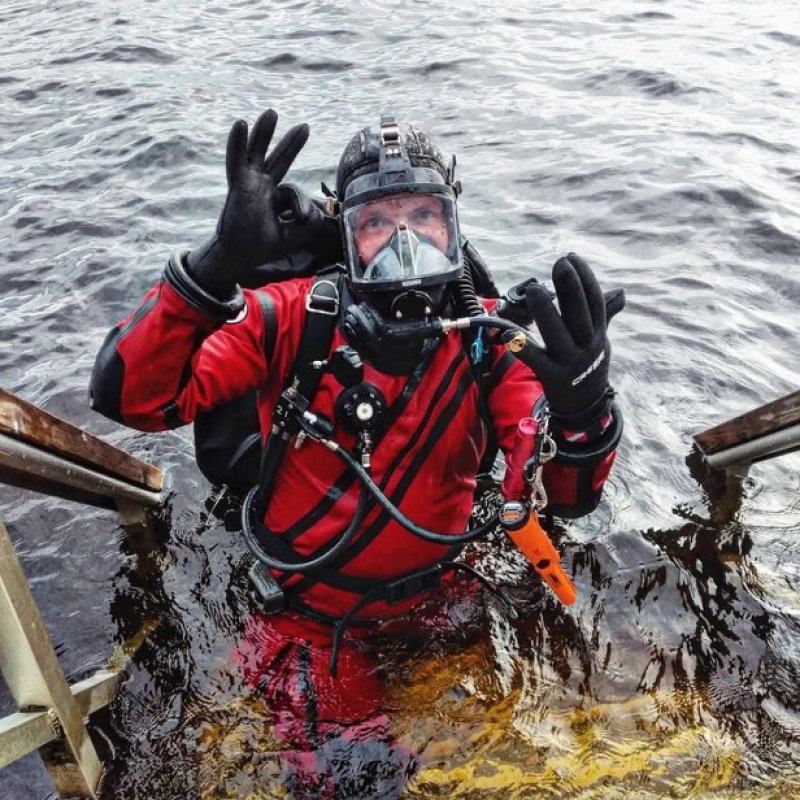
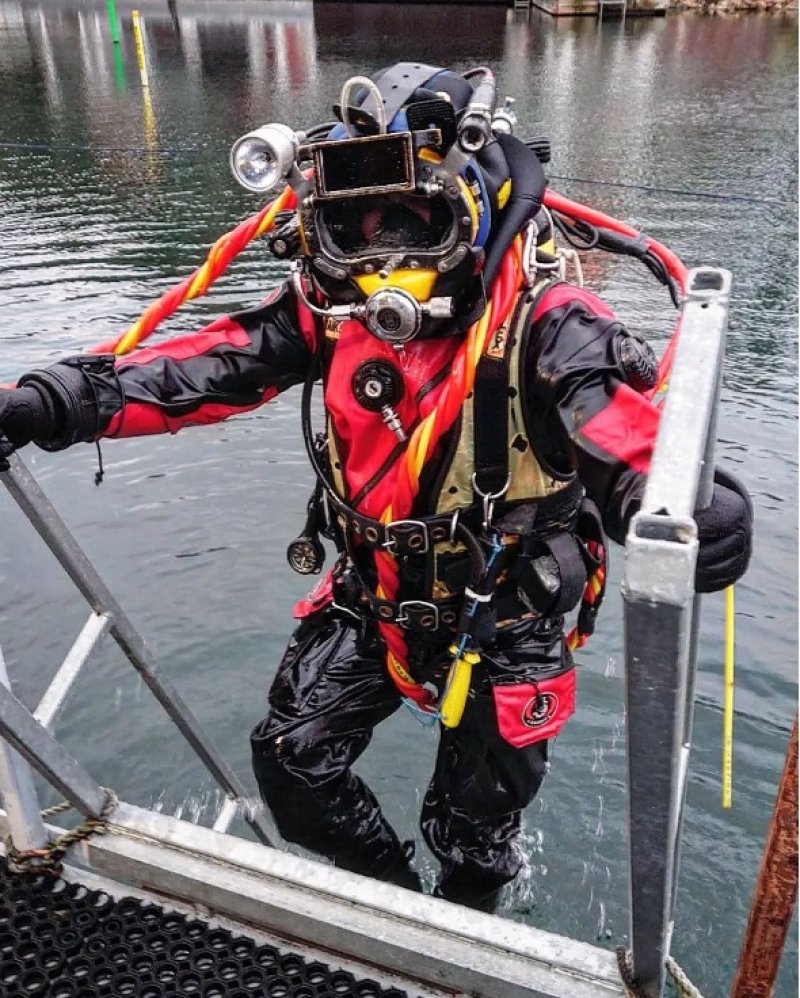
A commercial dive and a film set may look very different, but both begin with planning, communication, and risk assessment. The work of a safety diver is not simply about being underwater. Long before the cameras start rolling, we identify potential hazards and prepare emergency procedures. In many ways, the same principles run through SSI Diver Stress & Rescue and SSI Public Safety Diver training. Recognize problems early and be prepared to respond.
I have worked on productions such as Dead of Winter with Emma Thompson and the Japanese show ItteQ, providing underwater safety for recording artist CHANMINA. Diving also opened a new stage for me as an underwater actor, portraying a rescue diver in the series Koskinen. Precision, buoyancy control, and communication matter here as much as anywhere else in my scuba diving career. People often ask what it is like to work with celebrities. My answer is always the same. Water does not care about titles. Everyone becomes equal the moment they enter the water, and everyone deserves the same commitment to safety.
You have experienced some extraordinary situations, many of which attracted international media attention. What have those experiences taught you?
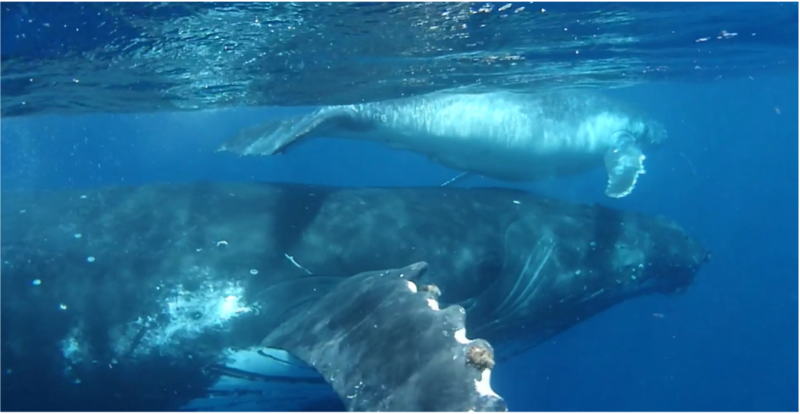
Diving gives you moments very few people ever experience, and some of them make the power of nature impossible to ignore. One moment in Tonga has stayed with me. I was filming humpback whales when a whale's tail passed within approximately five centimeters of my chest, only a month after another diver had been fatally struck in a similar situation. At that distance, the animal's size and power need no explanation. You realize very quickly how small you are beside it.
Christopher Hokkanen
Another incident happened in the Maldives during a nurse shark feeding frenzy. Within seconds, I was surrounded by dozens of sharks competing for food. These experiences reinforced something I have believed throughout my scuba diving career: confidence underwater does not come from taking risks. It comes from preparation, experience, and respect for the environment. Even in chaos, I always return to a simple principle. Stop, think, then act. Those words have guided me through technical dives, commercial operations, and film sets alike.
Besides diving, you have worked in media and event production. How did those worlds come together?
I asked myself a simple question: "How can diving become part of the story instead of just the activity?" That idea became Aquakino. Instead of sitting in a movie theater, the audience watches Jaws while floating in a swimming pool. Professional divers move beneath them and create live special effects in the water, bringing the movie much closer to the people watching it.
Aquakino was an immediate success, selling more than 2,000 tickets in its first week. It showed me that diving does not have to stay within traditional boundaries. It can create experiences that inspire people in completely unexpected ways.
What advice would you give to someone who is just beginning their journey?
I remember looking at the professional pathway and thinking that reaching SSI Master Instructor seemed impossible. Back then, I thought I would complete my Advanced Open Water Diver recognition, take specialties such as SSI Deep Diving, and simply enjoy recreational diving.
My biggest mistake was focusing on the summit instead of the next step. One opportunity led to another, and recreational diving grew into a scuba diving career. Do not focus on the top of the mountain. Focus on the next step. If you have a dream, write it down. Then break that plan into small, achievable goals.
The beauty of diving is that we define our own journey. Some dream of coral reefs, others of technical diving through SSI Extended Range (XR), and some want to teach. In the end, it is not about titles. It is about the simple privilege of being underwater. That is home for me.
You never know where your first breath underwater might take you.
Hanna Uusi-Tarkka