Atlantic: EU bans bottom trawling in deep sea
environmentmarine conservationcoral reefoceaneu regulations
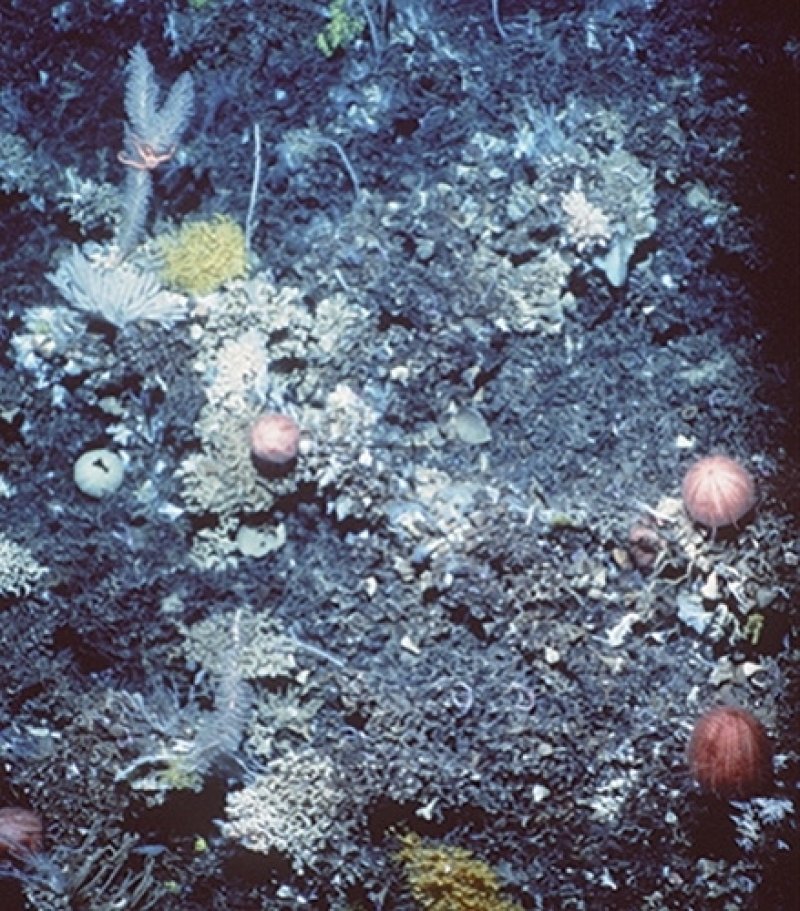
Results of trawling (c) CSIRO Marine Research
Ruling brings forth better protection for oceans
After four years of negotiation, the EU has imposed a ban on bottom trawling in the deep-sea regions of the Atlantic Ocean. A total of 4.9 million square kilometres of sea floor would be protected from this destructive fishing method. In a statement, the WWF has described this action as an outstanding decision towards the protection of deep-sea ecosystems.
"It is a good day for the deep-sea coral reefs and their inhabitants, like the rose fish and sharks. Although the ban applies only to EU waters up to 200 nautical miles from the coast, it is not just for the high seas in the Northeast Atlantic, but also for the high seas off West Africa to the Canary Islands and Madeira," said Stephan Lutter, a marine expert at WWF Germany. According to the WWF, such a comprehensive ban on the destructive act of bottom trawling exists so far only in the Mediterranean at depths beginning from 1,000 metres.
The proposal regulates sustainable, environmentally friendly EU deep-sea fisheries in Northeast Atlantic and resolves an old 2002 regulation by the then EU Fisheries Commissioner Maria Damanaki that dates back to 2012. However, their paper did not contain this new legislation on bottom trawling below 800 metres, which was only brought about during the negotiations which included a coalition of environmental organizations and WWF. This Deep Sea Conservation Coalition (DSCC) was supported in parts of the Fisheries Committee of the European Parliament, which may rule unfavourably against the Fisheries Ministers. The WWF had expressly praised the Dutch Presidency for their part in the negotiations.
Besides the prohibition on bottom trawling, the WWF also suggests that the following reforms be implemented: that set nets and gill nets are banned from depths of more than 600 metres, and that a permit for deep-sea fishing be required for previously non-fished areas. Twenty percent of the fishing boats on EU waters are required to have an observer on board to ensure that the data collected is accurate. In addition, it is also suggested that all fishing activities to cease at the area if the nets make contact with any deep-sea corals and other deep-sea ecosystems.
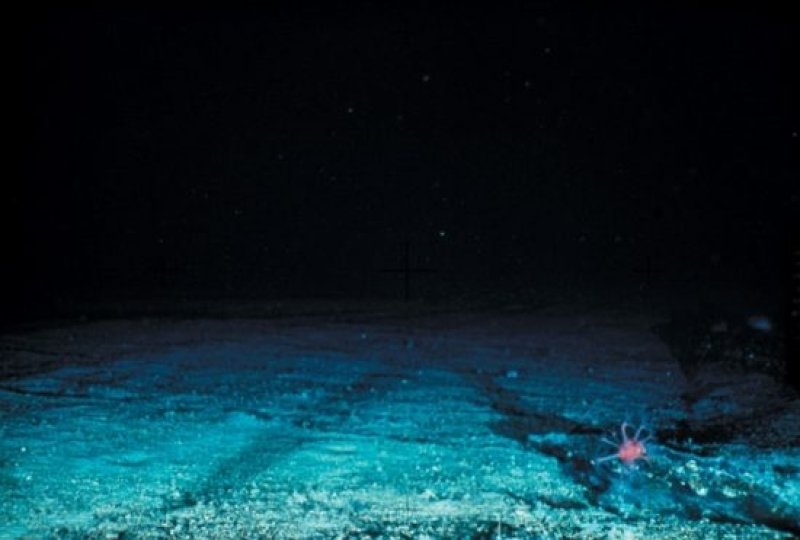
Results of trawling (c) CSIRO Marine Research
Dieser Beitrag wurde automatisch übersetzt und kann geringfügige Ungenauigkeiten enthalten; im Zweifel gilt die englische Originalversion.