UN negotiates on protection of the high seas
environmentmarine conservationoceanun negotiationshigh seas protection
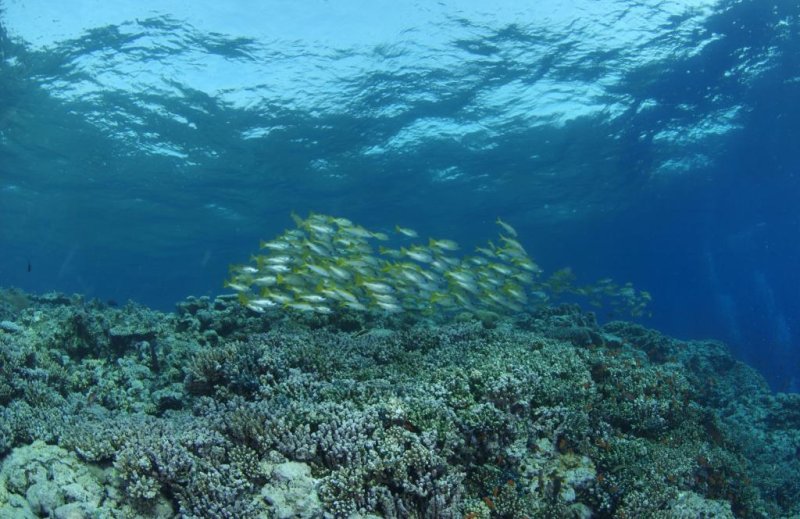
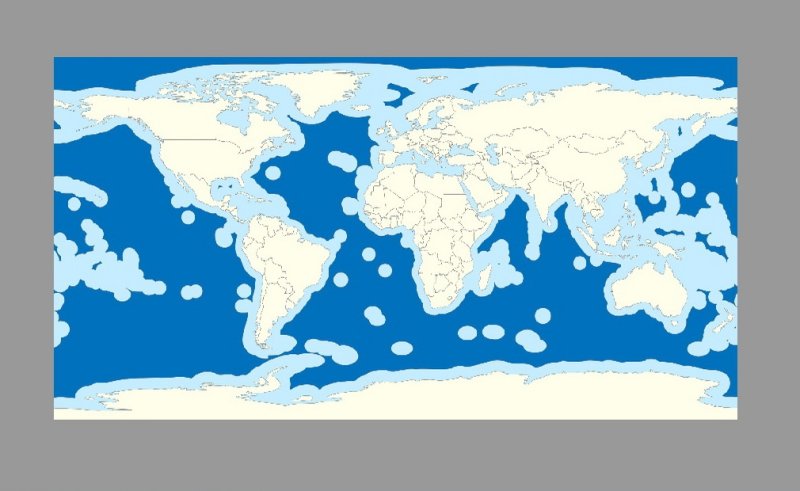
The future of the oceans is at risk The United Nations is negotiating an international agreement for the protection of the high seas in New York from 19 to 30 August 2019. The high seas cover all sea areas that are more than 200 nautical miles off the coast and therefore outside the territorial sovereignty of the coastal states "It's about protecting the blue half of our planet. The high sea is the largest habitat of the earth with an immense biodiversity and yet largely unexplored. Fisheries, shipping, oil drilling and deep-sea mining plans are no longer limited to the territorial sea. For biodiversity and the future of the oceans, it is crucial to assess the environmental impact of human activities," explains Tim Packeiser, marine protection expert at WWF Germany. "In addition, the international community must finally establish a legal mechanism to set up and manage marine protected areas in the high seas, which are binding for all states. So far, this possibility does not exist. " For the first time, a concrete text proposal for an ocean treaty is to be officially negotiated in New York. By 2020, the United Nations intends to agree on internationally binding rules for the protection and sustainable use of marine biodiversity. The way to this agreement is not easy: So far, fishing, shipping or deep-sea mining are considered and regulated separately. A cross-sectoral cooperation of the many responsible organizations does not yet take place. The agreement should ensure integrated management of the high seas, preferably without interfering with the existing rules. There are also differences regarding the use of marine genetic resources. Gene material from marine organisms is used, for example, in the manufacture of medical or cosmetic products. The developing countries want to be involved in the profits from the use. The industrialized countries reject a corresponding distribution scheme so far. It also needs to be clarified what new bodies are needed to adequately implement such a comprehensive agreement and how it should be funded. "The delegates in New York face exciting and very complex issues. The outcome of these negotiations will shape the future of the oceans," said Tim Packeiser. More Information: https://www.wwf.de
บทความนี้ได้รับการแปลโดยอัตโนมัติและอาจมีข้อผิดพลาดเล็กน้อย โปรดอ้างอิงจากฉบับภาษาอังกฤษต้นฉบับหากมีข้อสงสัย