Bio-inspired robot can fly and dive
environmenttechnologybio-inspired robotdronemarine pollution
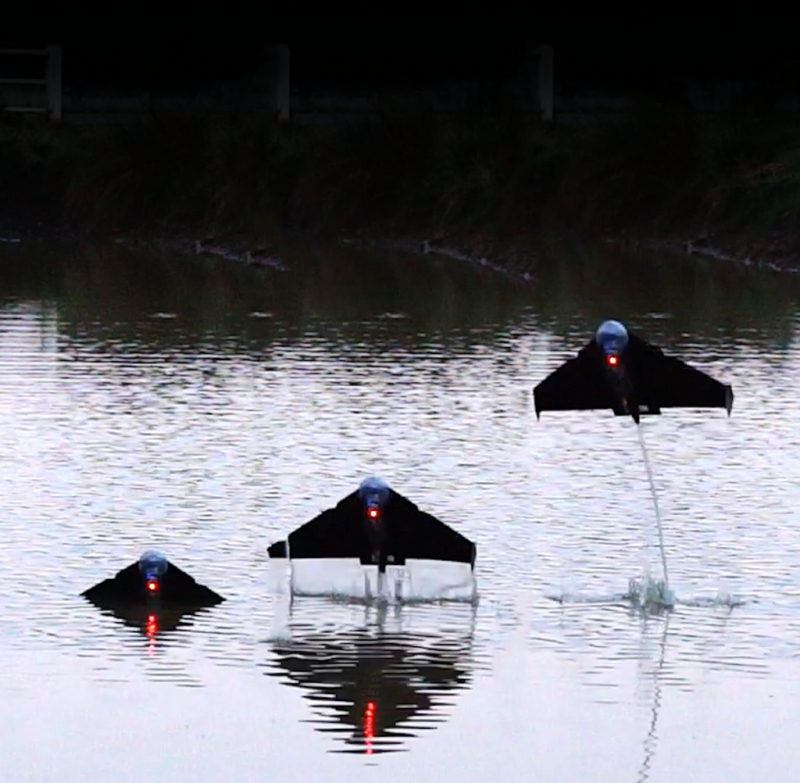
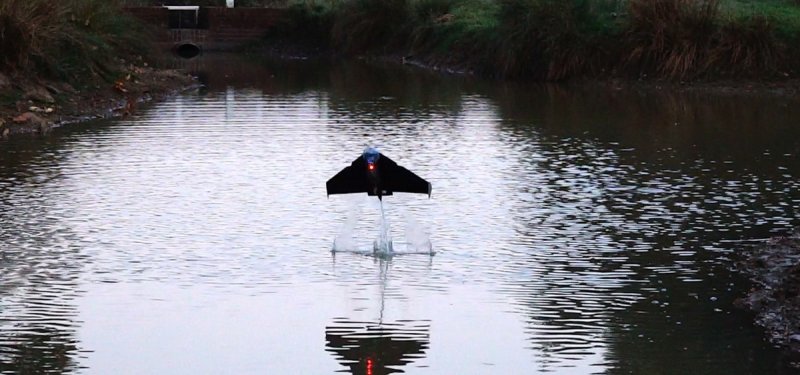
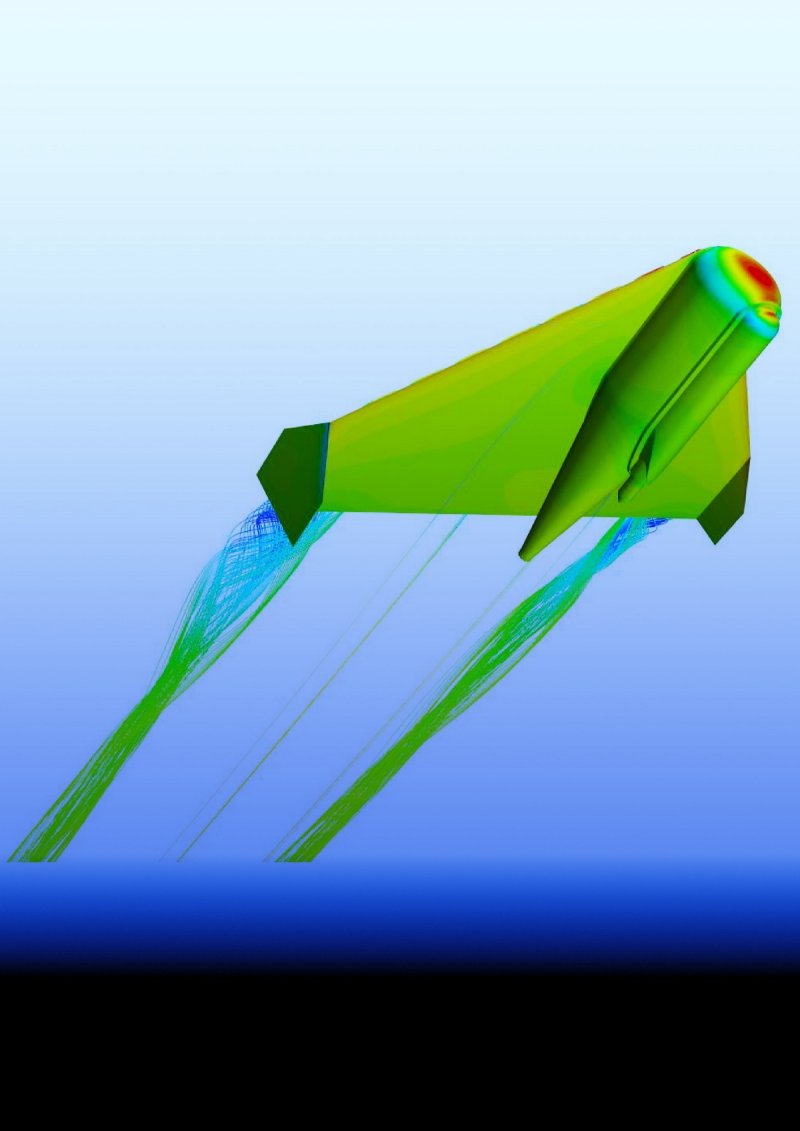
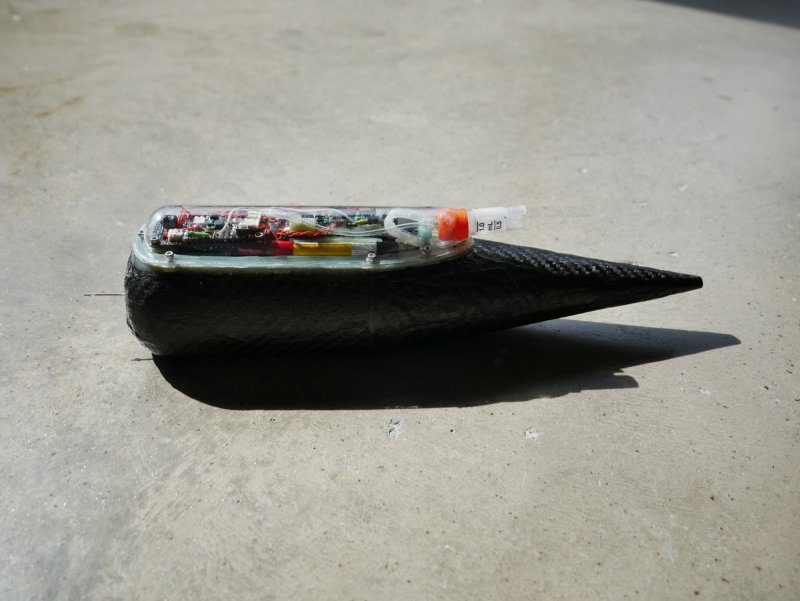
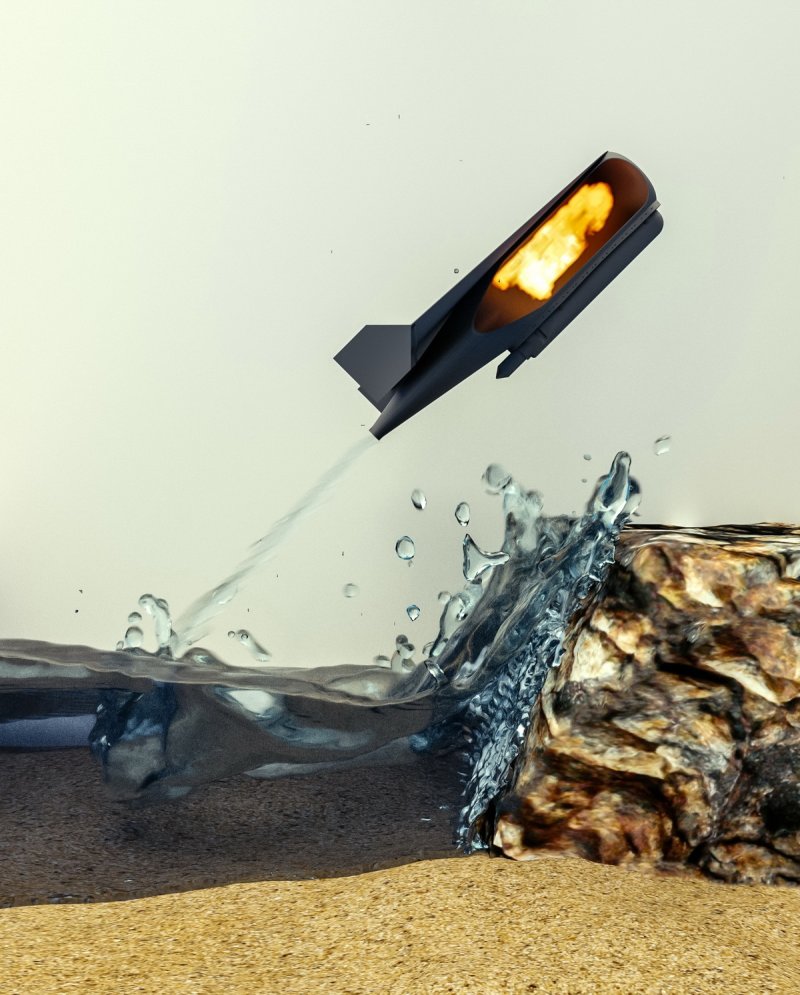
A drone as a flying fish A bio-inspired robot uses water from the environment to create a propellant gas and start from the water surface. The robot was developed by researchers from Imperial College London. It can fly about 26 meters after launch and could be used to take water samples in dangerous and confusing environments such as floods or marine pollution monitoring, according to Mirko Kovac's team in Science Robotics magazine. Robots that can move from water to air are desirable in certain situations. The launch, however, requires a lot of energy, which has been difficult to achieve with small robots so far. Now researchers have invented a system that requires only 0.2 grams of calcium carbide powder in a combustion chamber. The only moving part is a small pump that draws water from the environment in which the robot is located, such as a lake or ocean. The water is then contacted with the calcium carbide powder in a reaction chamber and produces flammable acetylene gas. As the gas ignites and expands, it pushes out the water as a propulsion jet that "shoots" the robot out of the water and propels it into a gliding flight of up to 26 meters. "The water-to-air transition is an energy-intensive process that is difficult to achieve with a small flying object that needs to be easy to fly," explains Mirko Kovac, director of the "Aerial Robotics Laboratory" at Imperial College London and of the joint "Materials and Technology Center of Robotics" at Empa. "We used water-reactive chemicals to reduce the amount of materials the robot had to carry. As the chamber fills passively and the ambient water acts like a piston, we can create a complete combustion cycle with just one moving part, the pump that mixes the water with the fuel. " The team tested the robot in the laboratory, in a lake and in a wave tank and was able to show that it can lift off the water surface even in rather harsh conditions. While similar robots often need quiet conditions to lift off the water, the team's redevelopment creates a force equal to 25 times its weight. Therefore, the probability that the robot can overcome the waves and actually take off increases. The only 160 grams lightweight robot can "hop" several times after refilling its water tank. This could allow him to float on the water without extra power and take samples in several places, saving a lot of energy over longer distances compared to an electrically driven robot. The team is working to build novel robots from advanced materials and perform field trials with robots in a variety of environments, including monitoring of coral reef and offshore platforms. "This type of low-power, off-grid robots could be really useful in environments that are usually time-consuming and resource-intensive, even after disasters like floods or nuclear accidents," adds Raphael Zufferey, lead author of the study. Link to the study: https://robotics.sciencemag.org/content/4/34/eaax7330.
Данная статья была переведена автоматически и может содержать незначительные неточности; в случае сомнений, пожалуйста, обратитесь к оригинальной английской версии.