10 things you did not know about ice
environmentmarine conservationoceanclimateice
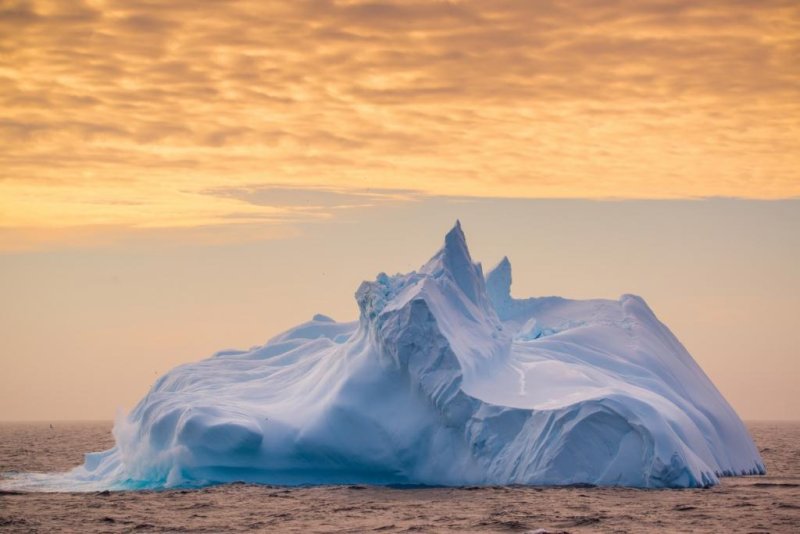
Icebergs can take many forms, Photo: © Andreas Wolden / Institue of Marine Research
Ice plays a crucial role in the global climate Ice is water in its solid form, but it is also important to our planet. Climatologists Anne Britt Sandø and Vidar Lien of the Norwegian Institute of Marine Research reveal some of the secrets of the ice 1. Frozen water, carbon dioxide and nitrogen Why is there ice on earth? "Because temperatures drop below zero degrees Celsius, also a reason there's no ice on Mercury and Venus," says Lien. "And because we have water," adds Sandø. "There are planets and moons of dry ice, frozen carbon dioxide, and on Triton, the largest moon in the Neptune planetary system, nitrogen freezes due to temperatures well below minus 200 degrees Celsius. We have water in its solid, liquid and gaseous forms," says Lien. 2. Two types of ice on the earth There are two types of ice on earth: the land ice consists of fresh water, the sea ice of salt water. Inside the sea ice, the salt is compacted to bags with very high salt content. At some point, these pockets begin to melt, and the brine forms small channels in the ice before finally flowing out of the ice. This will make the sea ice fresher and fresher. New sea ice may have a salinity of over two percent salt, while in seawater it is typically 3-3.5 percent. "The salinity of the old sea ice is less than one percent," says Lien. 3. Salt affects the physical properties The salt causes seawater to behave differently than freshwater. "As a rule of thumb, seawater usually freezes at about minus 1.8 degrees Celsius, while most people know that fresh water freezes at zero degrees," says Sandø. In the Antarctic, however, there is seawater at minus 2.2 degrees below the shelf ice, ie the part of the ice that protrudes into the sea. "Where the ice reaches the sea, seawater is located hundreds of meters below sea level between the ice and the seabed, and the pressure does not freeze until it is colder than minus two degrees Celsius," says Lien. Another difference between fresh and sea water is the weight. Or more precisely, how temperature affects its weight. "While fresh water is heaviest at plus four degrees Celsius, sea water becomes heavier and heavier as it approaches freezing, so while in a lake the temperature can be four degrees on the ground and zero degrees on the surface, the coldest seawater on the planet is at seabed level," says Lien. 4. The ice at the poles About ten percent of the land surface and about seven percent of the world's oceans are covered with ice, climate scientists say. Unsurprisingly, Antarctica and the Arctic are the most ice-rich locations, but they are not just geographically polar opposites. "The Antarctic is a large continent surrounded by the sea, while the Arctic is a large ocean surrounded by continents," says Lien. This means that the southernmost continent in the world has an enormous amount of ice on land and sea ice in winter. "The sea ice spreads from the coast and eventually covers vast areas, over ten million square kilometres of ice freezes in winter and melts in summer," says Lien. In the Arctic, sea ice often survives the summer and becomes several years old before it melts. "But this perennial ice, as we call it, is getting younger and younger, and it's getting thinner, and more and more of it is melting," Sandø says. 5. The oldest ice on earth The southernmost continent on Earth has an extra layer of "insulation" that keeps it cold. "The Antarctic has ocean currents and winds that orbit the continent, which means it's pretty isolated, which keeps it cold," says Lien. This is one of the reasons why the oldest ice is found in the Antarctic. Here is also the thickest, the slowest moving ice. "The ice found at the foot of the Antarctic ice sheet is about a million years old, with the oldest ice core harvested there being 800,000 years old, while the oldest ice in Greenland is about 100,000 years old," says Lien. 6. Ice is a window into the past What makes glaciers and icecaps grow is snow. But the Antarctic is very dry, with little snow. "So there is not much added to the top of the ice sheet, while Greenland gets more snow," says Lien. Climate scientists use the deep ice sheets of Antarctica and Greenland to understand the climate of the past. Through deep drilling they can reach ice that has fallen as snow hundreds, thousands and millions of years ago. By analyzing this ice, scientists can learn what the climate was like and how it has changed. 7. Snowball Earth In the course of the earth's history, there were great differences in the climate - and in the amount of ice. "A few hundred million years ago there was the so-called 'Snowball Earth' when the whole planet was covered in ice, so it was cold at the time," says Lien. The planet also had some ice-free times. "In these times, it was so hot that the ice caps melted, because Antarctica was not always where it is today," he explains. The Antarctic used to be further north. "In these times it was so warm that the seawater could not freeze at the poles," says Lien. 8. Ice: the engine that drives the ocean currents Ice has a big impact on our climate, explain the two scientists. "Melting ice forms the heavy water that is part of the engine that drives the world's largest ocean currents," says Lien. Seawater, which is saltier and colder, is also heavier. When cold, salty water from sea ice in the Arctic is pressed, it sinks to the ground. In addition, the salty water from the Gulf Stream cools down when it reaches the Arctic. As a result, both the water from the Gulf Stream and the molten ice sinks to the bottom of the ocean and returns to the Atlantic Ocean. This is called thermohaline circulation (ocean conveyor belt). 9. Ice reflects 90 percent of the sunlight Ice plays another important role in the climate as it can reflect sunlight. "When I wear a black T-shirt, it absorbs all the sunlight and becomes incredibly hot and uncomfortable on a warm summer's day," says Lien. A white T-shirt or white ice, on the other hand, reflects most of the heat. Ice reflects 90 percent of the sunlight, while the sea only reflects ten percent of it. "That means the oceans will warm up much more in the summer when the ice disappears," says Sandø. In winter, the ice acts as an insulating layer, so that the oceans do not lose so much heat. In the Arctic, the heat loss without ice at temperatures of minus 30 and in stormy weather can be enormous. 10. The Greenland ice sheet affects the gravity of the earth It is often mentioned in discussions about global warming that sea levels will rise seven meters as the ice melts on Greenland. However, this sea-level rise will not be evenly distributed around the world. Ironically, the melting of the Greenland ice sheet will lead to a further rise in sea level in the southern hemisphere. "That's because the ice gravitates on water, just like the moon attracts water," says Sandø. All masses exert gravity, but the Greenland ice sheet is so much of the earth that it makes a noticeable contribution. It draws seawater towards the North Atlantic and Greenland. When the ice disappears on Greenland, this attraction disappears. "So, when the ice disappears on Greenland, the water in the northern hemisphere is not drawn as heavily to Greenland as it is today." In principle, the melting water is drawn from the other great gravitational force that the ice in the Antarctic exerts, provided it has not melted, "says Sandø. "The ice in Greenland will take thousands of years to melt at its current rate, and in Antarctica it will take even longer for the ice to melt there," says Lien. More Info: https://www.hi.no.
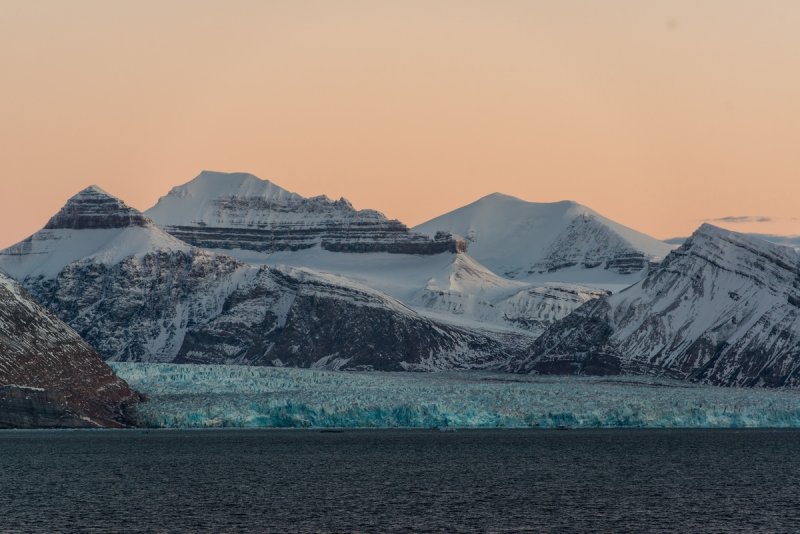
Glacier near Ny-Ålesund on Svalbard, Photo: © Andreas Wold
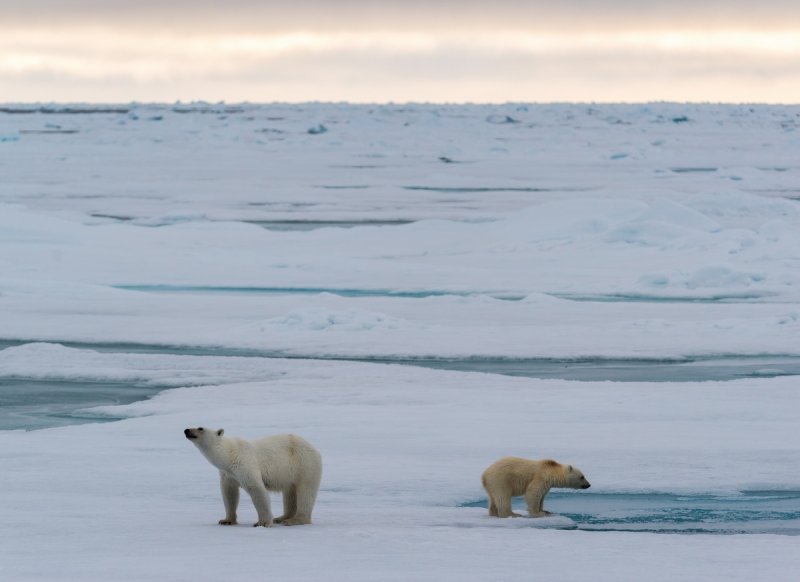
A family of polar bears on the sea ice near Svalbard, Photo: © Andreas Wolden / Institue of Marine Research
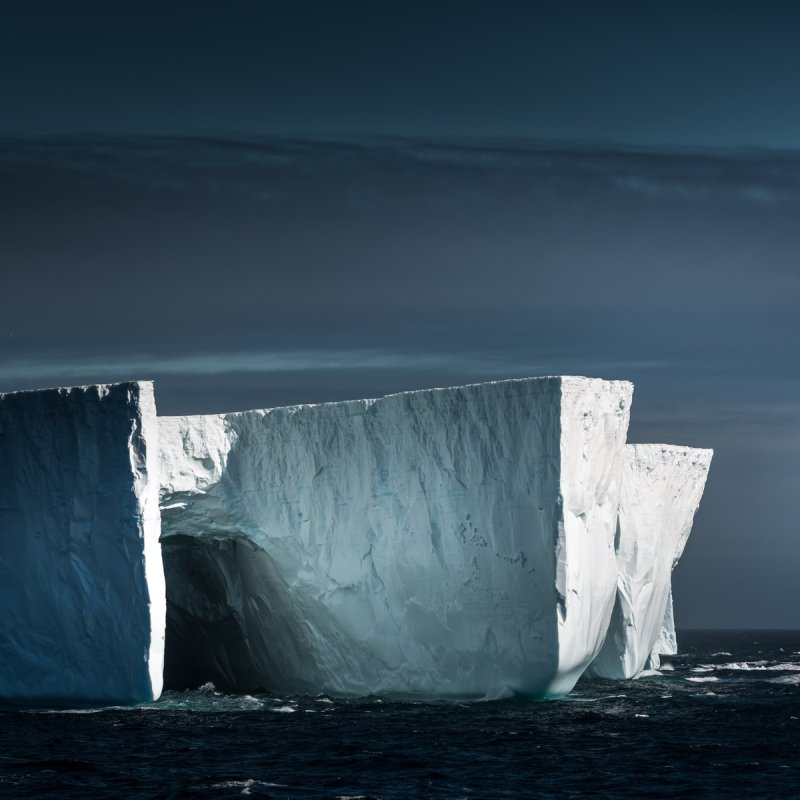
The giant ice caps in the Antarctic give researchers an insight into how the climate was hundreds, thousands and millions of years ago. Photo: © Andreas Wolden / Institute of Marine Research

According to the climate researchers Vidar Lien and Anne
이 기사는 자동 번역되었으며 약간의 오류가 포함될 수 있습니다. 의심스러운 점이 있으면 원문 영어 버전을 참조하십시오.