Wreck diving in Cyprus
scuba divingenvironmentwreck divingextended rangecypruszenobia
DIving the Zenobia (c) Andreas Wackenrohr
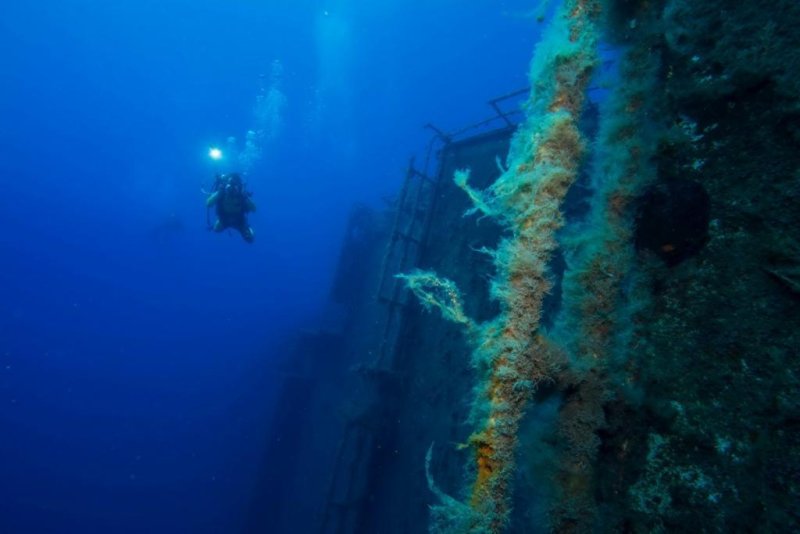
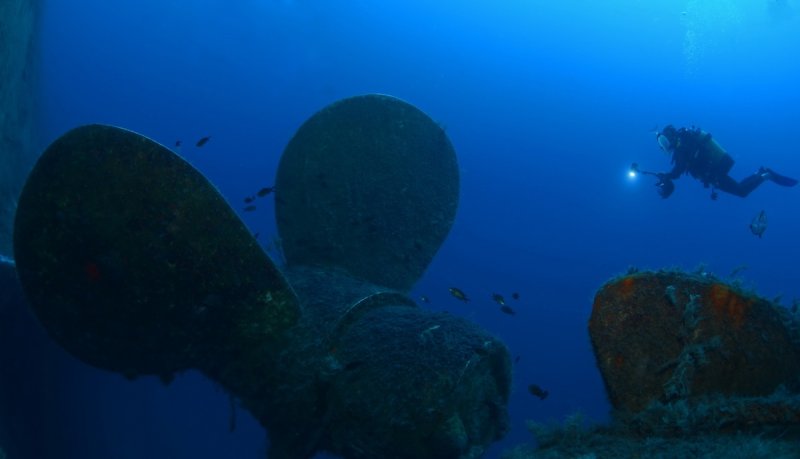
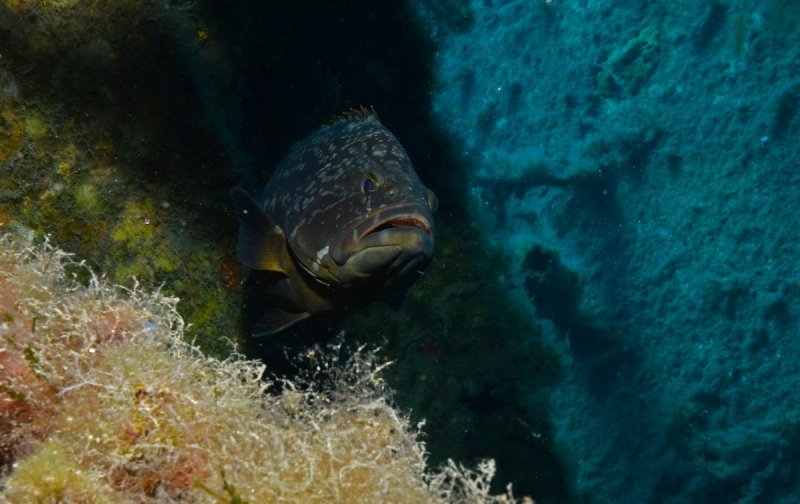
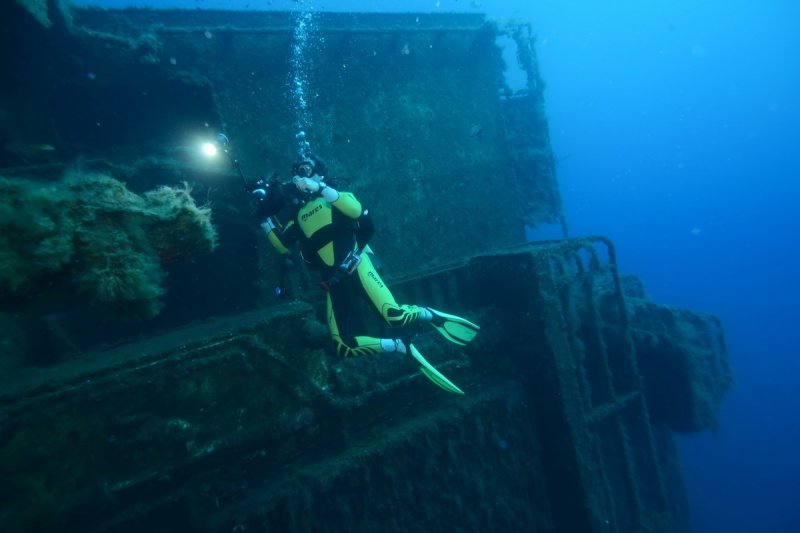
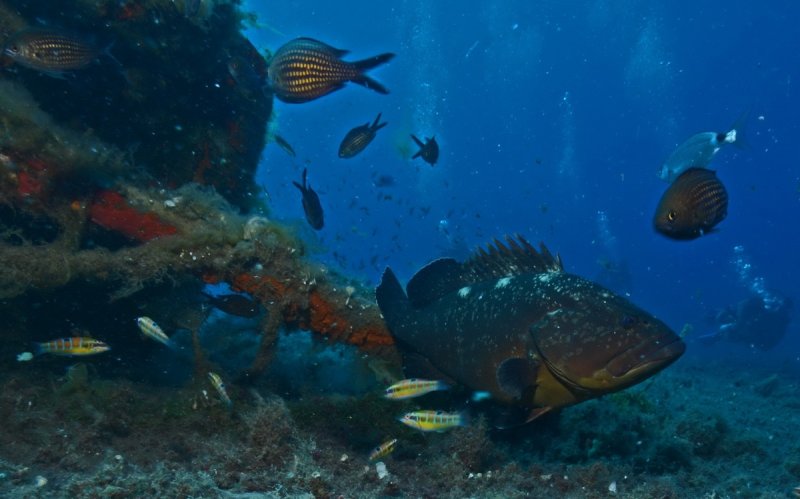
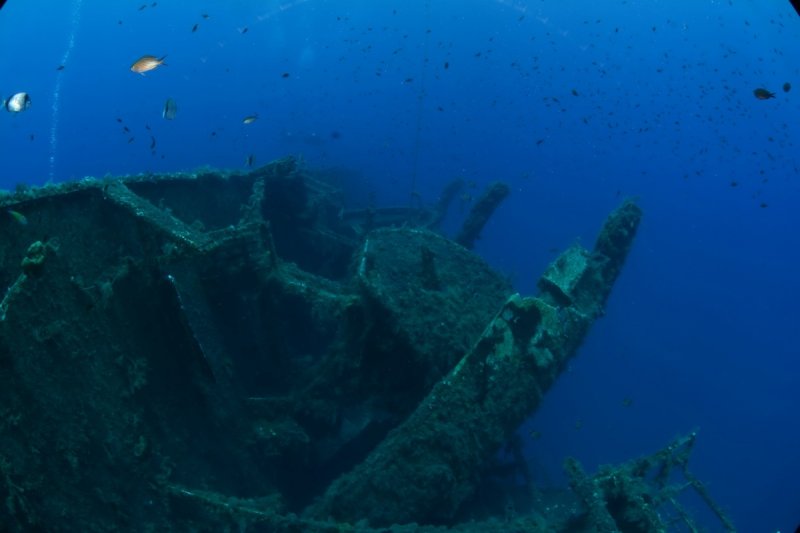
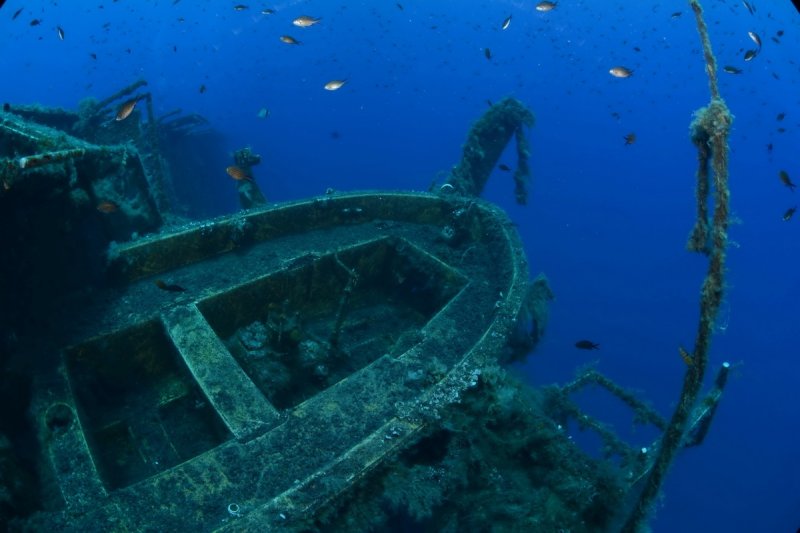
Zenobia - a dormant giant Her reputation is legendary. Experienced wreck divers count them among the ten most beautiful wrecks worldwide. Of course, this is also a matter of opinion. The fact is that this mega-wreck attracts divers from all continents to Cyprus. Divers diving at the Zenobia will experience wreck diving in a superlative. If you are flying to Larnaca Airport during the day, you should definitely take a look out the window. Because minutes before landing, the machines fly so deep that one can take a look at the Zenobia. Crystal clear water, the huge hull stands out against the deep blue of the Mediterranean Sea. A good taste of what the divers expect here. About midships above the wreck the mooring for the dive boats is located. From here, various lines with safety stop devices and a thick anchor chain lead directly down to the steel colossus. Already when starting the dive in the clear water you can see what giant rests here. Neither of the two ship ends is even remotely recognizable. At about 16 meters depth, the starboard side of the sleeping giant is reached. Divers seem tiny against this huge backdrop of overgrown and overgrown scrap metal. Due to the ship's construction no direct daylight is existent in many places… so take a strong lamp with you. And the deeper the descent, the more mystical the scenery becomes. Often a capital grouper, who otherwise has a quiet spot in the wreck, is seen by the divers. Noteworthy is the abundance of fish at the Zenobia. Large swarms have chosen the overgrown scrap metal as a place to stay. For all levels of experience Since there is virtually no current at the Zenobia, it is also quite suitable for beginners. The upper area can be safely explored in moderate depths. In addition to the huge plateau on the starboard side, the superstructures, some lifeboats, the huge anchor and plenty of fish provide plenty of variety. The view over the railing into the seemingly endless blue is always fascinating. At the same time, you are really aware of the huge dimensions of the wreckage. Even a look at the huge propeller blades of the propeller in the clear water is no problem for beginners. You should bring a little more experience when the interior of the Zenobia is to be explored. The bridge and the cafeteria are still relatively easy to dive. The large, partially glass-free windows make it easy to leave these areas relatively quickly in the event of a problem. Due to the lateral position of the ship, the orientation inside is somewhat more difficult. For photographers, this area is a must. Just turn the camera 90 degrees and the world is already in balance for the viewer. Anyone who masters the technology of mixed light shots, can make beautiful shots here by the incident daylight with a fisheye or extreme wide-angle lens. Only very experienced divers with additional training should venture into the lower areas. Here you can find most of the trucks, but often you are extremely far away from the next exit point and the area is very dark without any natural light. If you still want to see some of these trucks up close, you can do so in the stern area above the seabed. There you can explore them safely. The only thing that bothers here, is a very short non-deco time. After almost 35 years, the ship's body is heavily overgrown and well integrated as a habitat for fish. In addition, there are also a lot of lower animals to be found here. If you really want to get to know the Zenobia, you should plan a few days diving. You should not try to explore the entire wreck in just one dive. Except for a long distance swim, there is not much to see due to the ship's dimensions. The most clever thing is to specify the areas to visit depending on the level of experience and training. Since most dive boats offer "double dives" here, you can explore a decent piece of the old ferry every day. At some point, the last dive comes, where you hover over the huge steel body on the safety stop. Then it happens and a certain longing awakens. It is exactly this feeling that makes many divers plan to come back very soon.
DIving the Zenobia (c) Andreas Wackenrohr
DIving the Zenobia (c) Andreas Wackenrohr
DIving the Zenobia (c) Andreas Wackenrohr
DIving the Zenobia (c) Andreas Wackenrohr
DIving the Zenobia (c) Andreas Wackenrohr
DIving the Zenobia (c) Andreas Wackenrohr