Iceland wants to kill more than 2,000 whales in the next few years
environmentmarine conservationjapanwhalingiceland
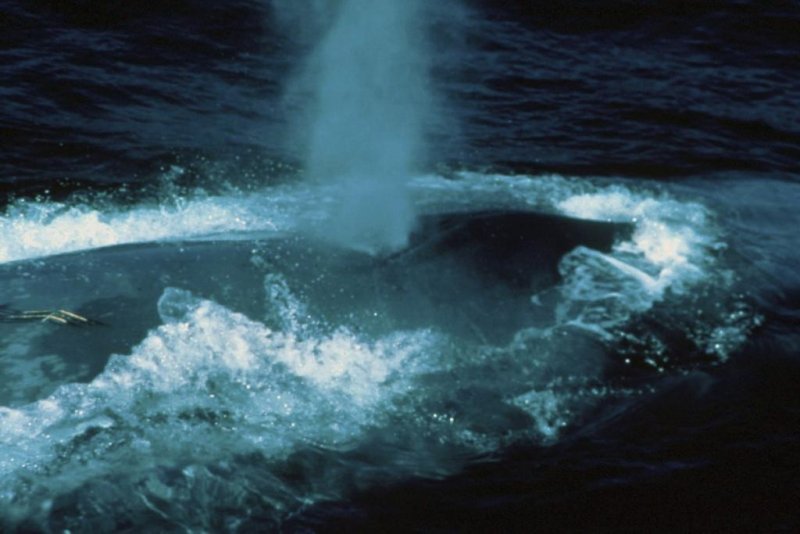
Blue whale
(c) NOAA
Icelandic whale meat probably intended for the Japanese market The Icelandic Minister of Fisheries granted a permit to continue whaling on 19 February 2019. Over the next five years, whalers can kill more than 2,000 fin and minke whales. The organization Whale and Dolphin Conservation (WDC) strongly condemns the decision Just recently, Japan announced its withdrawal from the International Whaling Commission. In the future, Japanese whalers will only be whale hunting within the Japanese 200-mile zone (Japan's EEZ). Japan is the main market for Icelandic fin whale meat. Given the current uncertainty about future yields of Japanese whaling operations, it is very likely that Iceland now sees an opportunity to intensify the whale meat trade with Japan. Iceland's whaling is under a controversial "caveat" against the International Whaling Commission's Global Whaling Morale. Since 2006, Icelandic whalers have killed 851 fin whales. Last summer alone, 145 fin whales and two rare blue-fin whale hybrids (see also: icelandic_whalers_kill_blue_whale ) and at least a dozen pregnant females died together with their unborn babies. This triggered international and local protests. When the government announced a review of whaling last autumn, hopes were high that it could put an end to Icelandic whaling. Instead, a report requested by the Fisheries Ministry was published in January. It states that whaling is beneficial to the Icelandic economy as a whole and does not affect tourism. The report has been severely criticized by Icelandic scientists and the whale watching industry as well as the tourism association for its reliance on old or false data. Even the fisheries minister, who had commissioned the report, had to admit that the report was flawed. At a time when schoolchildren are demonstrating against climate change and decimating biodiversity, the Icelandic government's decision to continue killing whales is a scientific and moral declaration of bankruptcy, " said Astrid Fuchs, program director at WDC. The Fisheries Minister's decision was also influenced by the surprise production of fin whales by the International Union for Conservation (IUCN) last year. According to the IUCN, the change was partly made because commercial whaling was "under control". However, a rigorous assessment based on the criteria used for the listing is not possible. The change is based on "plausible forecasts of global population size". More Information: https://de.whales.org.
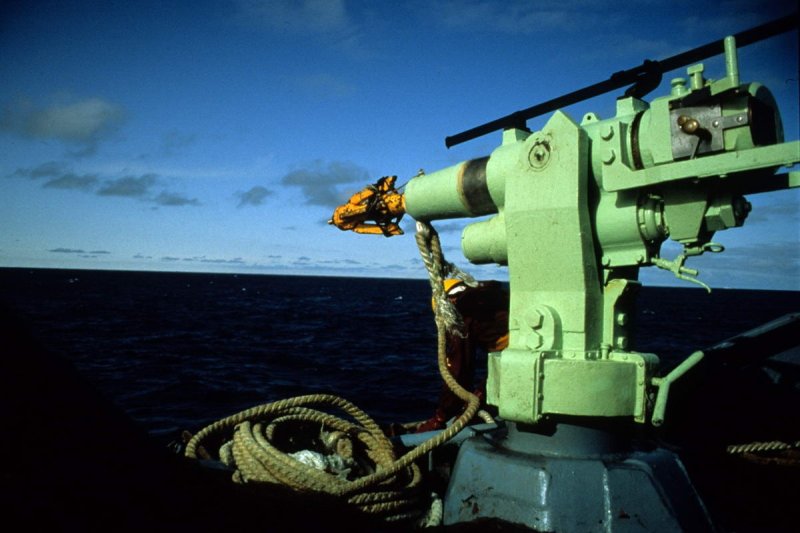
Whaling (c) Mark Votier
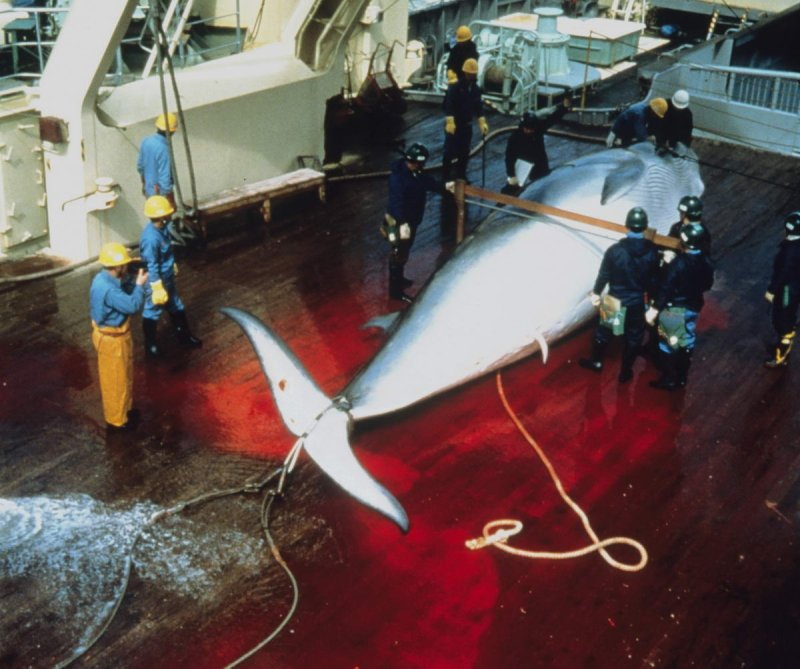
Whaling (c) Mark Votier
Cet article a été traduit automatiquement et peut contenir des inexactitudes mineures ; veuillez vous référer à la version anglaise originale en cas de doute.