German Oceanographic Museum turns spotlight on cephalopods for 2016
environmentmarine lifessicephalopodsmuseumexhibition
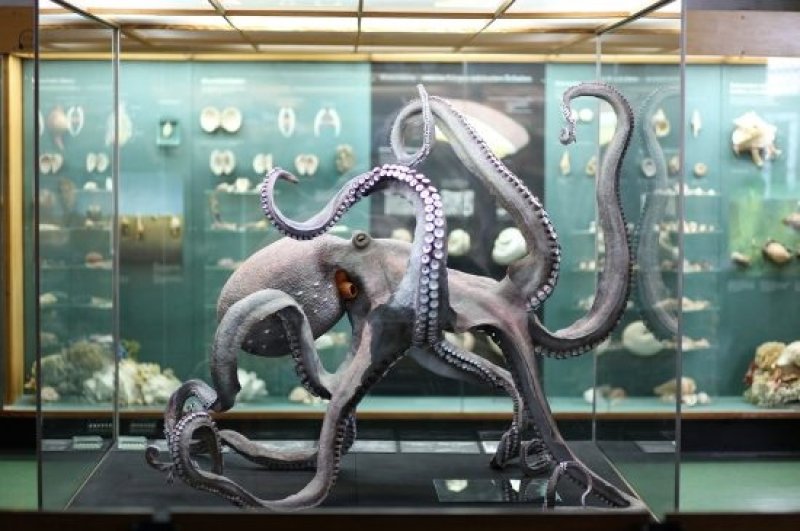
The lifelike replicas of octopi in the Meeresmuseum have ca. 2,200 suckers each. (c) John Mary Schlorke
This year, step into the fascinating world of cephalopods, at the German Oceanographic Museum's Meeresmuseum and Ozeaneum. That's because 2016 is dedicated to the theme of "Kraken & Konsorten" (literally, "Octopus & Consorts"), focussing on cephalopods like octopi, squid, cuttlefish, nautilus and ammonites. Visitors can expect to see new exhibits and a remodelled aquarium.
"Some octopi can open closed receptacles or slip through tiny holes. Their exceptional flexibility and intelligence have impressed researchers and scientists for decades," said the museum's Director, Dr Harald Benke said in German.
He added that this year, visitors would have a chance to find out what cephalopods have in common with parrots, and why the term cuttlefish is inaccurate.
For hundreds of millions of years, cuttlefish dominated the seas. Today, their fossils of their ancestors have been preserved naturally in limestone as well as amidst the interior decor of buildings in the Baltic region.
At the Meeresmuseum, you can learn more about cephalopods through fossils, liquid preparations and lifelike models. Right at the ground floor is one of the largest ammonite fossils ever found (with a diameter of just over 1.4 metres), waiting patiently to greet all museum visitors. This massive colossus is on loan from the LWL-Museum of Natural History in Münster. In addition, visitors can also view the nautilus. This cephalopod, unlike the octopus or cuttlefish, is the only living cephalopod with a permanent outer shell.
In the Ozeaneum is a live Pacific Giant octopus, the first ever to be exhibited in Stalsund. Recently given the name "Strakan", it lives in its own 8,000-litre tank with a cave. It currently weighs ten kilogram’s, but its weight may increase to 30 kilogram’s after several months. In comparison, the Ozeaneum's common octopus is a lightweight, averaging three kilogram’s.
The theme of cephalopods has even found its way into the 1:1 Giants of the Seas exhibition, in the form of three life-size models (at 2.5m each!) of the Humboldt squid. There are also specimens and informational panels showing the various colours and shapes of cephalopods. Another treat of this exhibition is a replica of a seventeen-metre long sperm whale in battle with a giant squid.
"The global seas and their inhabitants are fascinating. And they are threatened. I am therefore pleased about the close and long collaboration between Ozeaneum and Greenpeace. Together, we can strengthen the protection of the seas," said Brigitte Behrens, Executive Director of Greenpeace Germany. The 1:1 Giants of the Seas exhibition is jointly organised by Greenpeace.
Since 2008, the Ozeaneum has been one of the few museums in the world to showcase a life-size specimen of a giant squid.
Source: http://www.deutsches-meeresmuseum.de
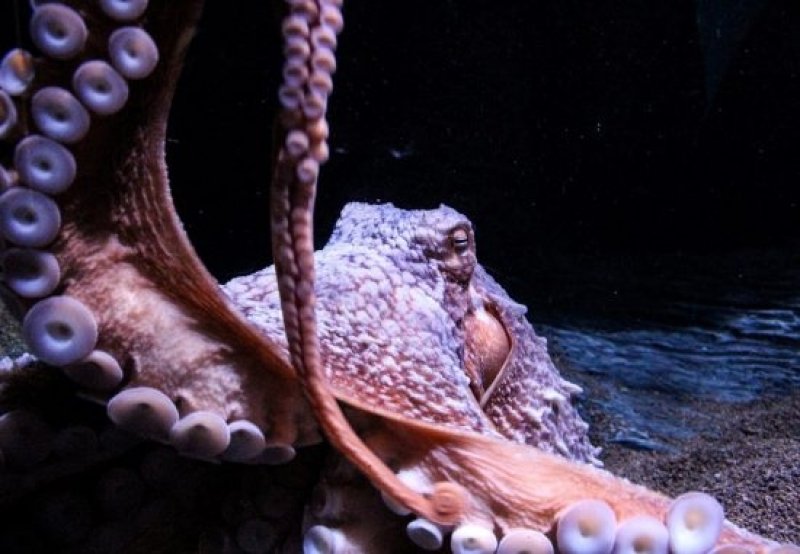
This giant squid is the highlight of the vibrant new exhibition in the Ozeaneum. (c) Romy Kiebel / Ozeaneum Stralsund
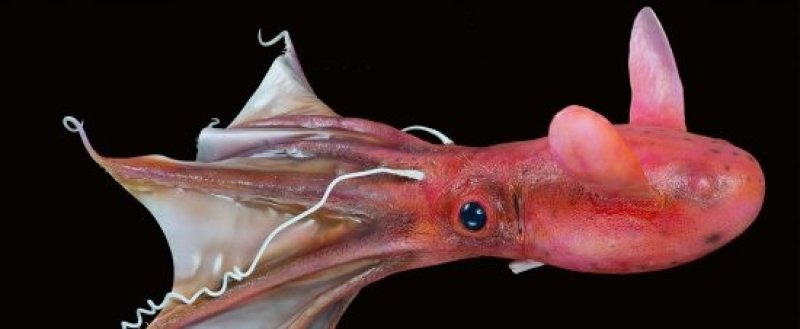
A model of a vampire squid in the Meeresmuseum, shown alternatively both in daylight and in the dark. (c) John Mary Schlorke
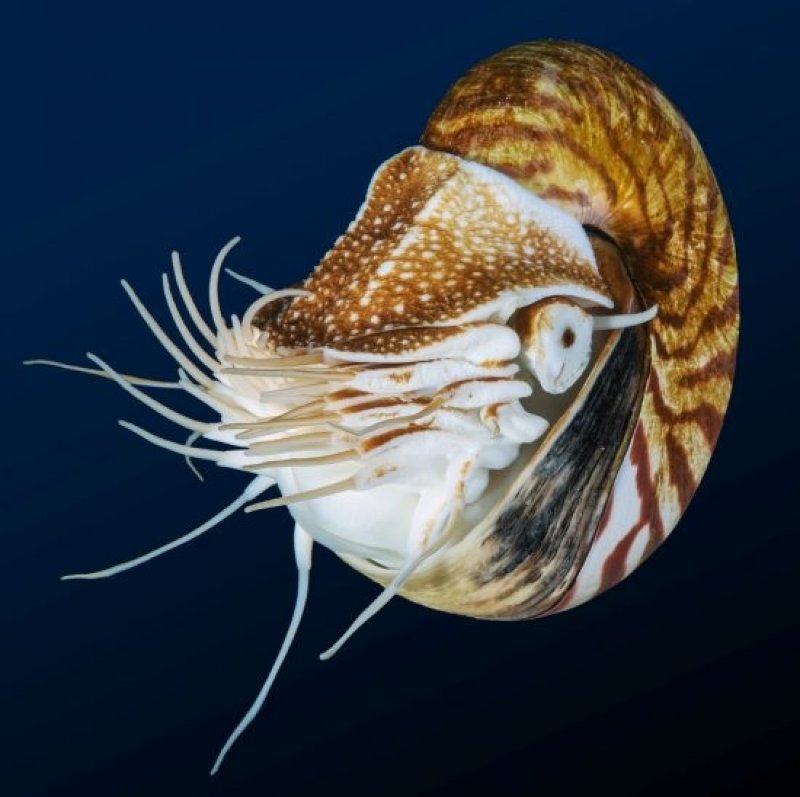
The Nautilus (Family: Nautilidae) is a mollusc, belonging to the class of cephalopods and has up to 90 tentacles. (c) John Mary Schlorke / German Oceanographic Museum
Cet article a été traduit automatiquement et peut contenir des inexactitudes mineures ; veuillez vous référer à la version anglaise originale en cas de doute.