Canary Islands declared Hope Spot
environmentmarine lifemarine conservationocean
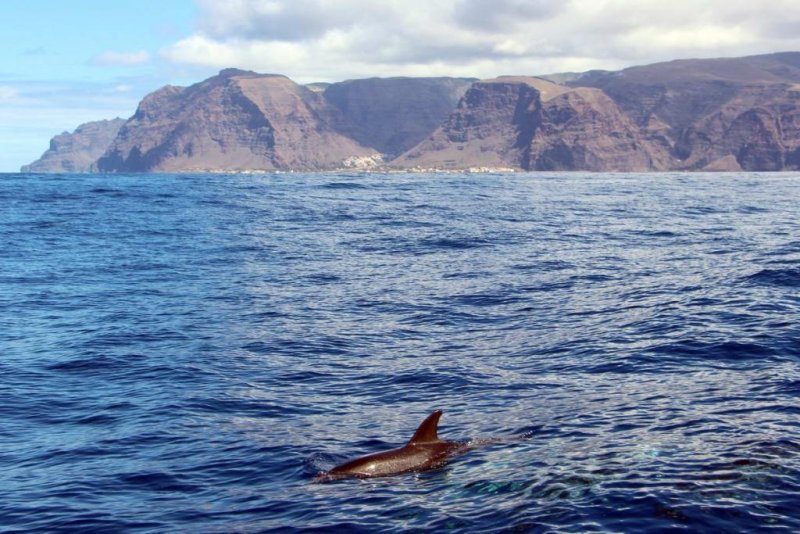
Spotted dolphin at the coast of La Gomera, (c) WDC
Better protection for important marine area During the world climate conference in Madrid, the waters between Tenerife and La Gomera were proclaimed a so-called hope spot. The WDC and Dolphin Conservation Organization hopes that this will have a positive effect on efforts to protect the waters around the islands effectively. "Mission Blue", the organization founded in 2009 by the world-famous marine biologist Sylvia Earle, has now officially declared the region a Hope Spot. The Hope Spots concept serves to make particularly important marine areas better known and better protected. Around 30 of the approximately 90 known whale and dolphin species have been sighted around the Canary Islands, making the Canary Islands one of the best regions for whale and dolphin watching in the world. However, this extraordinary biodiversity is threatened: plastic waste, the densely built up coast and subsequent pollution of the waters and collisions between fast ferries and whales make life difficult for the animals. Climate change with rising sea temperatures has already reached the Canary Islands. "There are only a few places on earth where so many types of dolphins and whales can be observed. It is a great natural treasure that needs to be preserved. It would be ideal to put the entire archipelago under protection," says Fabian Ritter, WDC marine biologist and co-founder of the Berlin association M.E.E.R. ("Meer" (German) = "Sea"), which has been researching biodiversity off La Gomera for over 20 years. Currently, only eight percent of Spanish waters are designated as marine protected areas, with the number expected to rise to twelve percent soon. There are already numerous small areas in the Canarian waters, but WDC, Mission Blue and M.E.E.R. hope that effective protection measures will be taken in the Canarian waters as part of the designation as a Hope Spot. This includes, for example, a speed limit for ships to avoid collisions with whales or the strict regulation of whale watching tourism. The World Conservation Union (IUCN) has announced that 30% of the world's oceans should be designated as protected areas by 2030. WDC welcomes this goal and calls for rapid implementation. "It is very important that effective measures are implemented and the influence of people is minimized. The Canarian and Spanish Ministry of the Environment have recently taken steps in the right direction. We hope that the designation as a Hope Spot will continue to support these efforts," continued Ritter. Start planning your liveaboard trip on LiveAboard.com
Cet article a été traduit automatiquement et peut contenir des inexactitudes mineures ; veuillez vous référer à la version anglaise originale en cas de doute.